
The Hidden Benefits of Fuzzy Pants That Transform Your Sleep Environment
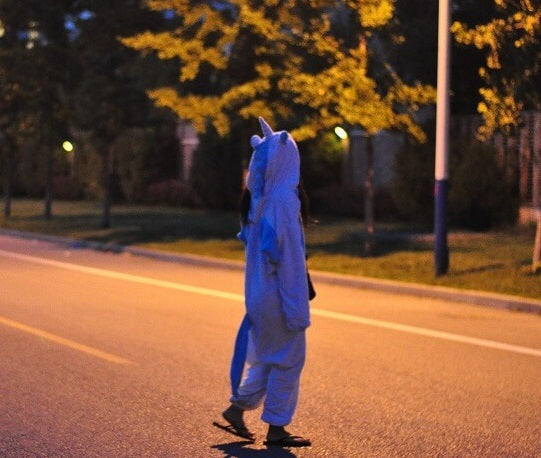
You bought them because they felt soft in the store. You wear them because your living room is cold and your cotton joggers just don't cut it on winter evenings. But fuzzy pants, whether fleece-lined, sherpa-backed, or plush microfiber, are doing something more sophisticated than simply "feeling nice."
The specific textile properties of fuzzy fabrics interact with your body's thermal regulation system, tactile sensory processing, and even your pre-sleep routine in ways that standard cotton or jersey never could. If you've noticed you sleep better on nights you've spent the evening in your fuzziest pants, there's actual science behind that, not just the placebo effect of cozy feelings.
The Thermal Regulation Advantage: How Fuzzy Fabrics Actually Work
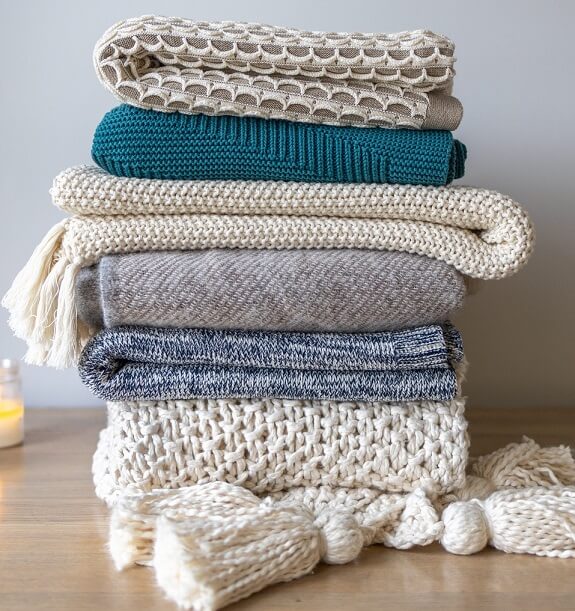
Here's what makes fuzzy pants different at the fiber level: they create loft. That's the textile term for the three-dimensional space between fibers that traps air. Unlike flat-weave cotton that sits against your skin with minimal insulation, the raised pile structure of fleece, sherpa, or brushed microfiber creates thousands of tiny air pockets.
This matters because still air is one of nature's best insulators. Your body heat warms these trapped air pockets, creating a microclimate around your legs that stays consistently warm without the weight of heavy fabric. This is why a lightweight pair of fuzzy pants can feel warmer than thick flannel pajamas that weigh twice as much.
But here's the part most people miss: this insulation works bidirectionally. When your home temperature drops at night (which it should, cool bedrooms promote better sleep), fuzzy pants maintain a stable temperature zone around your lower body. Your thermoregulatory system doesn't have to work as hard, which means less metabolic disruption during the critical wind-down hours before bed.
Why Weight Distribution Matters for Relaxation
The drape and weight of fuzzy pants create gentle, distributed pressure against your legs, not compression, but consistent contact. This tactile feedback signals safety to your nervous system through mechanoreceptors in your skin.
Unlike stiff denim or rigid cotton that creates pressure points at the waistband and seams, quality fuzzy pants distribute their (admittedly light) weight evenly. The fabric moves with you rather than against you. This absence of restriction removes a low-level stressor you probably weren't even conscious of: the physical constraint of your clothing.
When your body isn't receiving "constriction" signals from tight waistbands or inflexible fabric, your parasympathetic nervous system, responsible for rest and digestion, can activate more easily. This is one reason people instinctively change into soft pants the moment they get home. You're not just getting comfortable; you're removing a barrier to physiological relaxation.
The Sensory Processing Factor: Texture as a Nervous System Tool
For people with sensory processing sensitivity, textile choice isn't preference, it's necessity. The specific texture of fuzzy fabrics provides consistent, predictable sensory input that can be genuinely calming.
Smooth, continuous textures like fleece or velour require less sensory processing than fabrics with varied weaves, rough seams, or irregular surfaces. Your brain doesn't have to constantly interpret tactile information from your clothing, which frees up cognitive resources and reduces sensory fatigue.
This matters beyond diagnosed sensory disorders. After a day of overstimulation, screens, noise, social interaction, fluorescent lights, your nervous system is taxed. Coming home to clothing that provides gentle, uniform tactile input rather than varied or scratchy sensation helps your system downregulate.
The "Second Skin" Effect
High-quality fuzzy pants create what textile researchers call a "second skin" effect, fabric that's soft enough to feel barely-there while still providing warmth and coverage. This is why people report feeling "wrapped up" or "cocooned" without feeling restricted.
The psychological impact here extends to sleep preparation. When you associate a specific texture with evening relaxation, putting on those fuzzy pants becomes a ritual cue that tells your brain it's time to shift from "doing" mode to "resting" mode. This conditioned response strengthens over time, making the simple act of changing into soft pants part of your sleep hygiene routine.
Moisture Management: The Unsexy Benefit That Actually Matters
Cotton absorbs moisture and holds it against your skin. Fleece and synthetic fuzzy fabrics wick moisture away from your body and allow it to evaporate. This isn't just about sweat, it's about the invisible water vapor your skin constantly releases (about a liter per day, even without exercise).
When moisture sits on your skin, it creates temperature fluctuation as it evaporates. Your body expends energy to rewarm the cooled areas, which disrupts the stable, slightly-cool body temperature your system is trying to maintain for optimal sleep.
Quality fuzzy pants, particularly those made from polyester fleece or performance microfiber, move this moisture away from your skin and spread it across a larger surface area where it can evaporate without creating cold spots. You stay drier, your temperature stays more stable, and your body doesn't waste energy on thermal correction.
This is especially valuable if you tend to run warm at night or live in a home with inconsistent heating. Your evening wear becomes part of your temperature management strategy, not just a comfort preference.
The Movement Freedom Connection to Sleep Quality
Fuzzy pants are almost universally designed with ease of movement as a priority: elastic waistbands, stretchy fabric, loose fits. This design philosophy has a direct connection to better sleep.
When you can move freely in the hours before bed; stretching on the floor, curling up on the couch, doing gentle yoga or mobility work, you're more likely to release physical tension before climbing into bed. Restrictive clothing discourages this kind of intuitive movement. You don't stretch in jeans. You don't do child's pose in stiff pajama bottoms.
The flexibility of fuzzy pants removes barriers to the kind of gentle, restorative movement that helps discharge the physical stress of the day. Better pre-sleep movement means less tossing and turning as your body tries to find comfort in bed.
Why Fuzzy Pants Work Better Than Regular Loungewear
Standard cotton sweatpants get the "freedom" part right, but they lack thermal efficiency and moisture management. Athletic joggers might handle moisture well, but they often feel technical and stimulating rather than restful. Jeans and regular pants restrict movement and provide no thermal benefit.
Fuzzy pants occupy a specific niche: warm without being hot, soft without being clingy, substantial without being heavy. That combination is surprisingly hard to achieve with other fabric types.
The Psychological Safety of Softness
There's something primal about soft textures and feelings of safety. While research specifically on "fuzzy pants and psychological wellbeing" doesn't exist (yet), studies on textile preference consistently show that humans associate soft, plush textures with comfort, safety, and stress reduction.
This isn't frivolous. If your home is your refuge from a demanding world, the textures you surround yourself with contribute to whether that space actually feels restorative. Harsh textures, scratchy fabrics, and uncomfortable clothing create low-level stress signals. Soft, fuzzy textures send the opposite message: you're safe, you can rest, there's no threat here.
For people dealing with anxiety or high stress, environmental texture cues genuinely matter. Fuzzy pants become part of a sensory environment that supports downregulation rather than fighting against it.
Choosing Fuzzy Pants for Actual Sleep Benefits
Not all fuzzy pants deliver these benefits equally. Here's what to look for:
Fabric weight and density: Too thin, and you lose insulation. Too thick, and you overheat. Mid-weight fleece (around 200-300 GSM) or quality microfiber balances warmth with breathability.
Interior construction: The side against your skin matters most. Look for brushed interiors or continuous-loop fleece rather than rough-backed fabrics that can irritate skin over time.
Waistband design: Wide, soft elastic or drawstring waists prevent the pressure points that create discomfort and restrict breathing. Avoid rigid waistbands that dig in when you sit or lie down.
Seam placement: Flat-felled seams or minimal seam construction reduces bulk and irritation, especially at the inner leg and waist.
Length and fit: Bottoms that are too long bunch around your ankles and interfere with movement. Too short, and you lose the thermal benefit. Look for accurate sizing with enough length to cover your ankles without dragging.
Fuzzy Pants as Part of Your Sleep Environment Strategy
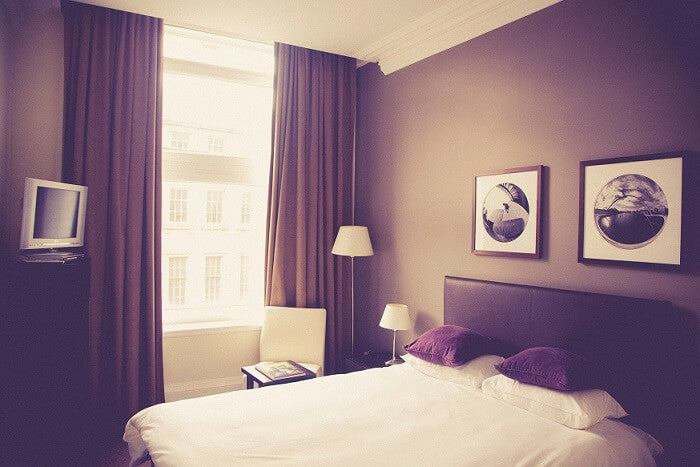
Your sleep environment isn't just your bedroom, it's every space you occupy in the hours before sleep. The living room where you wind down, the bathroom where you prepare for bed, the kitchen where you have your evening tea.
The clothing you wear through this transition period matters because it interfaces directly with your largest sensory organ: your skin. When that interface is comfortable, thermally appropriate, and texturally pleasing, you remove obstacles to relaxation.
Fuzzy pants won't cure insomnia on their own. But as part of a thoughtful approach to evening comfort, they contribute to the kind of environment where sleep comes more naturally.
Frequently Asked Questions
Q: Can you actually sleep in fuzzy pants, or are they just for lounging?
A: It depends on your sleep temperature and the weight of the pants. If you sleep cool or keep your bedroom cold (which promotes better sleep), lightweight fuzzy pants can be excellent sleepwear. Heavier fleece might cause overheating for most people in bed, but works perfectly for pre-sleep lounging.
Q: Are fuzzy pants better than regular pajama pants for warmth?
A: Yes, specifically because of loft, the air-trapping structure of fuzzy fabrics insulates more efficiently than flat-weave cotton or jersey. You get more warmth per ounce of fabric, which means you stay comfortable without excess weight or bulk that can disrupt sleep.
Q: Do fuzzy pants lose their softness and benefits over time?
A: Quality matters here. Well-made fleece or microfiber maintains its loft and softness through dozens of washes if cared for properly (cool water, gentle cycle, no fabric softener which coats fibers). Cheap fuzzy pants can pill, flatten, or become scratchy within weeks. The initial investment in quality pays off in longevity and sustained comfort.
Q: Can the texture of fuzzy pants actually help with anxiety or stress?
A: While they're not a clinical treatment, soft textures do provide sensory input that many people find calming. The consistent, gentle texture of quality fuzzy fabric can be grounding for people who are overstimulated or anxious. Combined with other relaxation strategies, they contribute to an environment that supports nervous system regulation.
If you're ready to upgrade your evening comfort beyond basic loungewear, explore Sandman's Shop's collection of premium fuzzy pants designed specifically for deep relaxation and better sleep preparation, because what you wear before bed matters as much as what you sleep in.