
The Surprising Sleep Benefits of Adult Onesies That Make Them More Than a Gag Gift
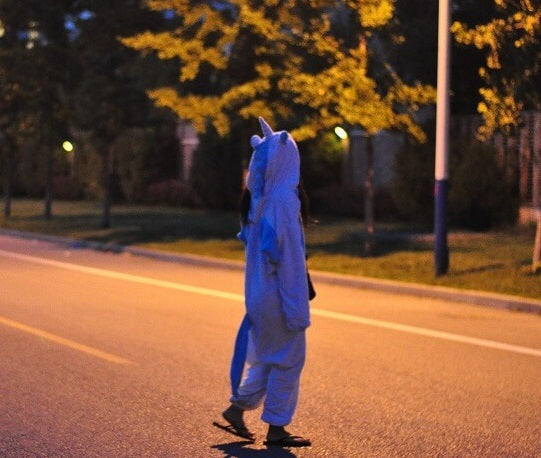
Let's address the elephant in the room: when most people think of adult onesies, they picture bachelorette parties, ironic Christmas gifts, or that one friend who insists on wearing a dinosaur costume to brunch. The onesie has been firmly relegated to novelty territory, somewhere between ugly sweaters and inflatable T-Rex suits.
But here's what nobody's talking about: onesies actually solve several genuine sleep comfort problems that traditional pajamas don't. Strip away the hood, the tail, and the cartoon character face, and you're left with an all-in-one garment design that addresses real issues; the gap between your top and bottom that lets cold air in, the twisted fabric that bunches around your midsection by 3 a.m., and the need to layer multiple pieces just to stay warm.
If you've ever woken up with your pajama top riding up to your armpits and your pants twisted sideways, you've experienced exactly what a onesie is designed to prevent. The question isn't whether onesies are functional, it's why we've been so quick to dismiss them as ridiculous.
The No-Gap Problem That Traditional Pajamas Can't Solve
The most practical benefit of a onesie is also the most obvious once you think about it: there's no separation between top and bottom. This isn't just about aesthetics or convenience, it's about maintaining consistent body temperature throughout the night.
When you wear traditional two-piece pajamas, any movement creates a gap. You roll over, reach for your phone, adjust your pillow, or simply shift position, and suddenly there's a strip of exposed skin around your midsection. That exposure matters more than you might think. Your core temperature needs to drop slightly for quality sleep, but sudden cold spots on your skin can trigger micro-awakenings that fragment your rest without you even realizing it.
A onesie eliminates this variable entirely. Whether you're a restless sleeper who changes positions constantly or someone who sleeps relatively still, you maintain the same coverage all night. There's no fabric to separate, no riding up, no cold air sneaking in to disrupt your sleep cycle.
For people who struggle with staying warm at night, whether due to poor circulation, low body weight, or simply living in a cold climate, this consistent coverage is genuinely valuable. You're not constantly waking up to pull your shirt back down or readjust twisted fabric.
Full-Body Warmth Without the Bulk of Layering
There's a specific kind of warmth that comes from a single enclosed garment that you simply can't replicate with layers. When you wear a shirt, pants, and maybe add socks or a robe, you're creating multiple fabric boundaries where air can circulate and heat can escape. Each layer has its own hem, its own elastic, its own potential failure point.
A onesie creates what's essentially a microclimate around your entire body. The warmth you generate stays contained within one continuous fabric envelope. This is particularly useful for people who run cold at night but find heavy blankets claustrophobic or restrictive.
The enclosed design also means you can potentially use lighter bedding. If you're someone who overheats under thick comforters but gets cold with just a sheet, a onesie gives you a middle ground, you're wearing your warmth rather than sleeping under it, which allows for more freedom of movement and less tangling with blankets.
This matters for sleep quality. Excessive bedding can trap heat to the point of causing night sweats, while too little leaves you shivering. A onesie gives you more precise temperature control because you can adjust your blanket without compromising your core warmth.
The Psychological Comfort of Being "Enclosed"
Here's where onesies get interesting from a comfort perspective: there's something genuinely soothing about being fully covered. While we don't have specific clinical studies on onesies and anxiety reduction, the concept of gentle, consistent pressure and coverage aligns with why weighted blankets and compression garments help some people feel calmer.
A well-fitted onesie provides light, even contact across your entire body, not pressure, exactly, but a sense of being gently held. For people with anxiety, sensory processing differences, or anyone who simply finds comfort in feeling "tucked in," this all-over coverage can be genuinely relaxing.
It's also worth noting that onesies eliminate a small but persistent decision point: what to wear to bed. If you struggle with decision fatigue or evening anxiety, having one garment that handles everything is one less thing to think about. You're not matching tops and bottoms, wondering if you need socks, or trying to figure out if you should add a layer.
This might sound trivial, but bedtime routines matter for sleep quality. Anything that makes the transition to sleep simpler and more consistent can help signal to your brain that it's time to wind down.
Why Onesies Work for Cold Sleepers and Budget Heaters
Let's talk about heating costs. If you're trying to keep your thermostat low at night, whether for environmental reasons, budget constraints, or because you sleep better in a cool room, a onesie is one of the most efficient ways to stay comfortable without cranking the heat.
The full-body coverage means you're not losing heat through exposed wrists, ankles, or midsection. The continuous fabric acts as a consistent insulation layer, which is more efficient than trying to achieve the same warmth through multiple separate pieces.
For couples with different temperature preferences (one of the most common sleep compatibility issues), a onesie offers a solution: the cold sleeper can stay warm without forcing the hot sleeper to suffer under heavy blankets or in an overheated room. You can keep the bedroom cooler and let each person regulate their own temperature through what they wear.
This is particularly relevant for people living in drafty homes, poorly insulated apartments, or regions with harsh winters where keeping the bedroom comfortably warm all night would be prohibitively expensive.
The Practical Advantage of Single-Garment Dressing
There's a convenience factor that deserves mention: getting dressed for bed in one piece is simply faster and easier than coordinating separates. This matters more than it might seem, especially for people dealing with mobility issues, chronic fatigue, or conditions that make multiple clothing changes difficult.
If you struggle with arthritis, recovering from surgery, or managing chronic pain, eliminating the need to put on multiple garments (and take them off again in the morning) is genuinely helpful. Onesies with front zippers are particularly practical for anyone with limited range of motion.
For parents of young children who are constantly interrupted during their bedtime routine, throwing on a single garment means you can get to bed faster when you finally have the chance. For night shift workers who need to transition to sleep quickly after getting home, the simplicity matters.
Even for people without specific mobility or time constraints, there's something to be said for reducing friction in your bedtime routine. The easier it is to get ready for bed, the more likely you are to maintain consistent sleep timing, and sleep schedule consistency is one of the most important factors in sleep quality.
Addressing the Bathroom Situation
We need to talk about the one legitimate drawback everyone thinks of: what happens when you need to use the bathroom at night?
This is the main practical objection to onesies, and it's fair. A full-length zippered or buttoned onesie does require more effort than simply pulling down pajama pants. For people who wake frequently during the night to use the bathroom; particularly older adults, pregnant women, or anyone with urinary frequency issues, this is a real consideration.
However, modern adult onesies increasingly come with practical solutions: back flaps, two-way zippers, or drop-seat designs that make bathroom trips much less cumbersome. If you're considering a onesie specifically for sleep rather than just lounging, look for these features.
For people who rarely wake during the night for bathroom trips, this concern is largely theoretical. And for those who do wake frequently, it's worth weighing the hassle of unzipping against the benefit of staying warmer, sometimes the few seconds of dealing with a zipper are worth it if it means you're not shivering on the way back to bed, which can make falling asleep again much harder.
When Onesies Don't Make Sense
To be genuinely useful, we should acknowledge when onesies aren't the right choice. If you're a hot sleeper who frequently kicks off covers or wakes up overheated, a onesie will likely make this worse. The same enclosed warmth that benefits cold sleepers will trap too much heat for people who naturally run hot.
Similarly, if you live in a warm climate without air conditioning, a full-body fleece garment is probably overkill most of the year. Onesies work best in cool to cold environments, or for people who specifically struggle with staying warm at night even in moderate temperatures.
And yes, if you wake up multiple times per night for the bathroom and find clothing fasteners particularly frustrating when groggy, the convenience trade-off might not be worth it for you.
The key is honest self-assessment: What's your actual sleep challenge? If it's staying warm without heavy blankets, eliminating the gap between pajama pieces, or simplifying your bedtime routine, a onesie addresses those problems. If your issue is overheating or you value quick, easy bathroom access above all else, traditional separates are probably better.
Choosing a Onesie for Actual Sleep (Not Just Instagram)
If you're convinced to try a onesie for genuine sleep use rather than novelty value, here's what to look for:
Fabric matters more than design. Skip the thick fleece with 3D ears and attached tail if you're serious about sleep comfort. Look for breathable materials like cotton, bamboo, or moisture-wicking blends that won't trap excessive moisture if you sweat slightly during the night. Fleece can work for very cold environments, but it needs to be quality fleece that's soft rather than scratchy.
Fit should be relaxed, not tight. You want freedom of movement for different sleep positions. A onesie that's snug when standing might restrict you when you're lying down and bending your knees or curling on your side. Check the sizing carefully, many adult onesies run small or are designed for a fitted look that doesn't work for sleep.
Zipper quality and placement is crucial. A front zipper should have a protective tab at the top so it doesn't dig into your neck or chin. A two-way zipper (that opens from both top and bottom) offers much more flexibility for temperature adjustment and bathroom access. Avoid metal zippers that will feel cold against your skin, coated or plastic zippers are better for sleepwear.
Consider foot options carefully. Footed onesies can be wonderful for warmth, but they can also feel restrictive if your feet tend to overheat or if the feet are poorly sized. Non-footed styles give you the option to add or remove socks as needed, which offers more temperature flexibility.
Look for practical features over cute ones. A hood adds no sleep value unless you specifically find hood coverage calming or you're in an extremely cold environment. Functional features like a drop seat, breathable gussets, or elastic cuffs that stay in place are more useful than decorative elements.
The best sleep onesie is probably not the funniest or most Instagram-worthy option. It's the one made from quality fabric, constructed to stay comfortable in horizontal positions, and designed with sleep function rather than visual impact as the priority.
Frequently Asked Questions
Q: Will wearing a onesie make me too hot at night?
A: It depends on your natural temperature regulation and your environment. If you currently sleep in thick pajamas or flannel and feel comfortable, a onesie in a similar weight fabric shouldn't make you hotter. However, if you typically sleep in light clothing or frequently kick off covers, a full-body onesie (especially in fleece) will likely trap too much heat. Start with breathable materials like cotton or bamboo rather than heavy fleece.
Q: Are onesies harder to move around in while sleeping?
A: A properly sized onesie should actually allow for full range of motion; the key is choosing one designed with enough fabric in the torso and limbs for stretching and position changes. Cheap or poorly constructed onesies might restrict movement, but quality sleepwear onesies are cut with this in mind. The all-in-one design can actually reduce the tangling and bunching that happens with separate pajama pieces.
Q: How do I handle middle-of-the-night bathroom trips in a onesie?
A: This is the most common practical concern. Look for onesies with features that make bathroom access easier: two-way zippers that open from the bottom up, drop-seat or back-flap designs, or button closures rather than full zippers. While it does take a few more seconds than pajama pants, many people find that staying warmer during bathroom trips (because they haven't exposed their torso) helps them fall back asleep faster, which balances out the minor inconvenience.
Q: Can I wash a onesie as easily as regular pajamas?
A: Yes, most adult onesies are machine washable just like any other sleepwear. The main consideration is size, a full onesie takes up more space in the washing machine than separates, so you might fit fewer items per load. Check care labels for specific temperature and drying recommendations, especially for fleece or specialty fabrics. Hang drying will extend the life of elastic and zippers.
Onesies aren't for everyone, and they'll probably never shake the novelty reputation entirely, but if you're someone who struggles with staying warm at night, hates the gap between pajama tops and bottoms, or simply wants the simplicity of single-garment sleepwear, they're worth reconsidering. At Sandman's Shop, we've curated a selection of adult onesies designed for actual comfort and sleep quality, with practical features and breathable fabrics that work for real bedtime use, not just photo opportunities.