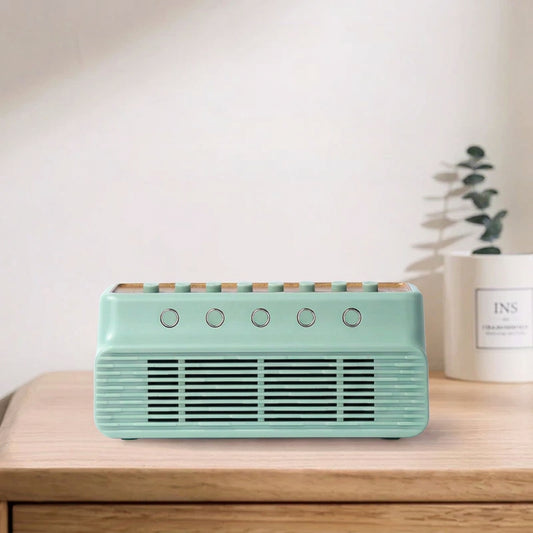
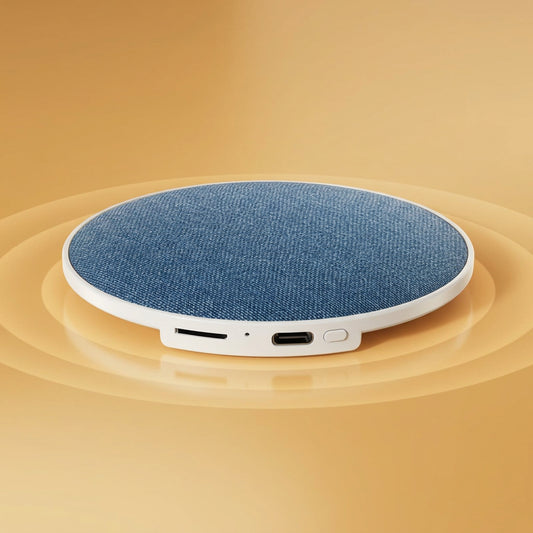
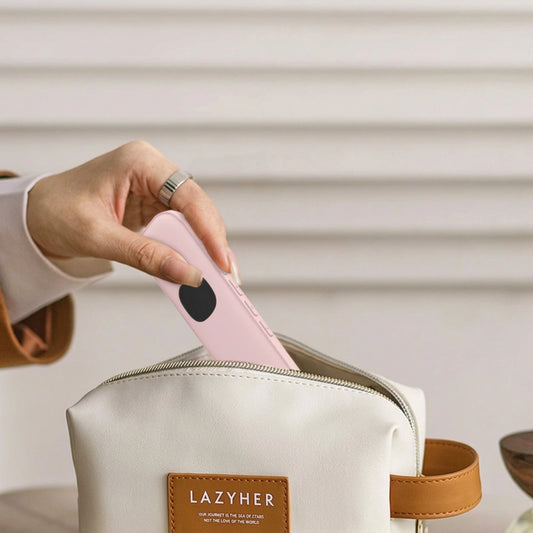
Shop White Noise Machines for More Peaceful Nights
A good night's sleep can be hard to come by when disruptive background noises interrupt the quiet. Explore our white noise machines at the top of this page to compare options and find one that fits your sleep routine, sound preferences, and budget. Whether you want steady white noise, a natural fan sound, or soothing nature tracks, the right machine can help make sudden noises less noticeable and create a calmer environment for rest.
Understanding White Noise and Its Benefits
White noise distributes sound energy across all frequencies, creating a steady sound similar to radio static or a fan's soft hum. By raising the room's ambient sound level, it reduces the contrast between quiet and sudden sounds, such as traffic, a barking dog, or other household noise. This masking effect may help people relax, maintain focus in distracting environments, or fall asleep by making unpredictable background noises less noticeable.
White noise may also be useful for people with tinnitus who find that background sound makes ringing less noticeable. Adults may find that white noise helps them relax and sleep better, while some parents use steady sound as one cue in a baby's bedtime routine, and others prefer nature sounds or fan sounds. Responses vary, and a sound machine is not a treatment for sleep disorders or a substitute for medical advice.
The Benefits of a White Noise Machine for Sleeping
A white noise machine creates a steady audio backdrop that can mask unpredictable noises without requiring earplugs. Smooth sound playback and sufficient, adjustable volume are important: the sound should be noticeable enough to soften disruptions, but not so loud that it becomes uncomfortable. Resources that explain how white noise sleep machines work to improve rest can help you decide which approach fits your needs. Continuous playback can help maintain a consistent sleep environment and prevent the room from becoming suddenly quiet during the night.
Different noise colors can suit different situations. White noise contains all sound frequencies equally and can help mask higher-pitched sounds, including disruptive noises such as snoring; if this is a concern, you may want to explore white noise options specifically for snoring and nighttime disturbances. Brown noise emphasizes low-frequency sounds, making it a useful option for deeper rumbles such as a garbage truck. Pink noise has a different balance of frequencies; research on how these sounds affect sleep is still developing, and preferences differ. The best choice is the sound you find calming at a comfortable volume.
Portable White Noise Machines: Consistency on the Go
Portable white noise machines can bring familiar sounds to a hotel room, visits, or naps away from home. A small white noise machine may fit easily in luggage, while a rechargeable model can be useful when an outlet is not nearby. Check battery life if you plan to use it for overnight playback, and confirm whether it can operate while charging.
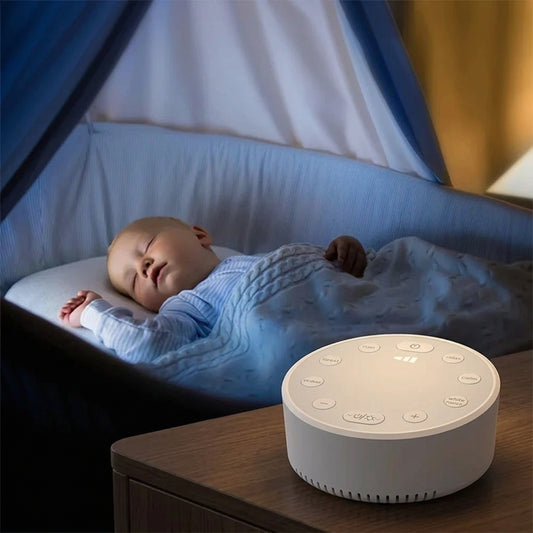
A portable device can help maintain a consistent sleep environment in unfamiliar surroundings. Place it on a stable surface several feet away from a crib or sleep space, keep it out of reach, and use the lowest volume that works. Avoid placing any sound machine close to a baby's head or ears. For travel, also consider simple controls, reliable continuous playback, and whether the device's light can be turned off or adjusted. Browse the product options above to see which models suit home or travel use.
How to Choose the Best White Noise Machine for Sleeping
Start with where and how you plan to use the machine. For a bedroom, prioritize smooth playback, adjustable volume, and controls that are easy to use in the dark. For travel, look for a compact, portable sound machine with reliable battery life. If you’re choosing one for a nursery, put safe placement and low-volume control first. You might also consider other sleep-enhancing products like pillows, blackout curtains, and sleep masks if environmental light or comfort is affecting your rest. Features vary across models and may change over time, so check the current product details before buying rather than relying on a particular sound count or feature list.
Next, consider the sound. Some people prefer classic white noise, while others enjoy brown noise, pink noise, fan sounds, rain, water sounds, or ocean waves. A broader sound library can be useful if you like variety, but more options do not automatically mean better sleep. Some machines use a real fan, while others generate sound electronically or play recordings. Listen for clear, even playback; with recorded tracks, check whether loops have distracting repetitions. If you already use a white noise app, smart speaker, or other device, consider whether it meets your needs. Streaming services may also offer sleep sounds, though notifications or interruptions can be a consideration.
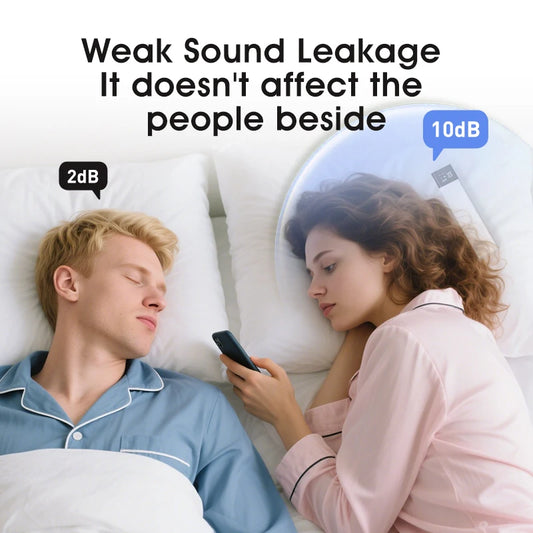
Adjustable volume is essential for tailoring sound to your room. A machine needs enough volume to soften background noise, but it should not be louder than necessary. Many models exceed 60 decibels at maximum settings, so compare the volume range and choose straightforward controls that let you adjust it without disrupting your bedtime routine. For babies, keep the machine at a safe, low level and several feet from the crib. The American Academy of Pediatrics recommends 45 dBA for newborns in neonatal intensive care units and advises keeping sound machines at 60 dBA or lower. A free sound-level meter app can help you check readings at the baby's sleep position. The Environmental Protection Agency recommends an average exposure limit of 75 dBA over eight hours for environmental noise, but that is not a target volume for a bedside machine.
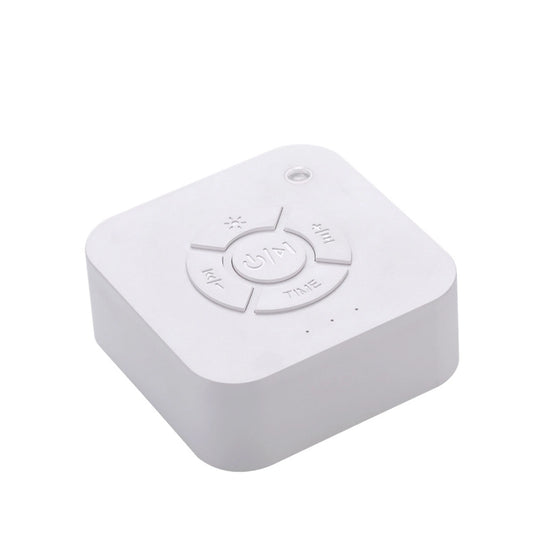
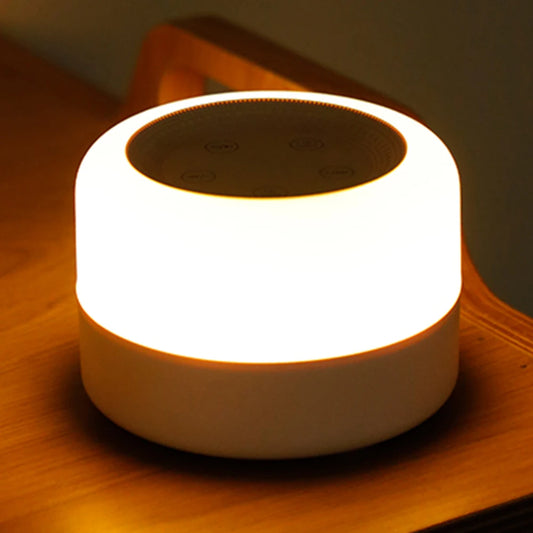
Consider whether you want continuous playback or a timer. Continuous sound can prevent sudden silence during sleep, while a timer may suit people who only want sound as they settle down. Some models include a night light for nighttime navigation; an adjustable light with a dim setting or red light may be less disruptive than a bright one. Other useful features can include remote or app control, a child lock, a headphone jack, or battery power. Match features to your routine and budget rather than paying for options you will not use. Compare the products at the top of this page to find a white noise machine with the sound and features that matter most to you.
A white noise machine can be part of a relaxing bedtime routine and support healthy sleep habits, but it is not a guaranteed solution for poor sleep. Keep the volume comfortable, especially around children, and place the device safely away from the sleep space. If persistent sleep problems affect your daily life, consider discussing them with a qualified health professional.
Frequently Asked Questions
What does a white noise machine do?
A white noise machine plays steady sound that raises the room's ambient noise level. This can make sudden or unpredictable sounds less noticeable and may help some people relax, sleep, or focus. Results vary, and it does not treat underlying sleep disorders.
How loud should a white noise machine be?
Use the lowest comfortable volume that softens disruptive sounds. For a baby's room, keep the machine at a low level and several feet from the crib; check the sound where the baby sleeps rather than relying only on the device's volume setting. The American Academy of Pediatrics advises keeping sound machines at 60 dBA or lower.
Should a white noise machine stay on all night?
It depends on your needs. Continuous playback avoids a sudden change to silence, which may be useful if noises are likely to disturb sleep. A timer may work if you only want sound while falling asleep. When comparing machines, check that the playback options suit your routine.
Where should I place a white noise machine?
Set it on a stable surface, out of reach, and several feet from the bed or crib. For a baby, avoid placing it beside the crib or close to the baby's ears, and keep cords away from the sleep space.
What is the difference between white, pink, and brown noise?
White noise distributes sound energy across frequencies evenly and often sounds like static. Pink noise has more energy in lower frequencies, while brown noise emphasizes them further and has a deeper rumble. Preferences and masking needs differ, so choose the sound you find comfortable.
Does a white noise machine need a night light?
A night light is optional. It can make nighttime feeds or quick check-ins easier without turning on a bright overhead light, but choose a model with a dimmable or warm light if you find brightness disruptive. Check whether the light works independently from the sound, since this varies by machine.
Can a white noise machine help a baby sleep?
Steady sound may help some babies settle by masking sudden household noises and providing a familiar bedtime cue. It is not a guaranteed fix or a substitute for safe sleep practices. Keep the machine at a low volume, place it several feet from the crib and away from the baby's ears, and follow the American Academy of Pediatrics guidance to keep sound machines at 60 dBA or lower.
Why is adjustable volume important in a white noise machine?
Adjustable volume lets you find the lowest level that makes disruptive sounds less noticeable without making the room uncomfortably loud. It is especially useful when room size or background noise changes. For a baby's sleep space, check the sound level where the baby sleeps rather than relying only on the machine's volume setting.
Find the Right White Noise Machine for Your Routine
In a busy, noisy world, a white noise machine may help soften unwanted sounds and create a calmer setting for sleep. Choose a sound you enjoy, use the lowest comfortable volume that helps, and consider practical details such as portability, playback, and controls. Compare the products featured at the top of this page to find an option that fits your needs and explore the current product details before you buy. The right choice is the one that works for your routine—not necessarily the machine with the largest sound library or the most features.