
Why a Padded Eye Mask Is the Sleep Upgrade Most People Try Last and Wish They'd Tried First
I've spent more money trying to fix my sleep than I care to admit.
A new mattress. Blackout curtains that required drilling into rental walls. Weighted blankets in three different weights. A white noise machine, then a fancy alarm clock that simulates sunrise. Magnesium supplements. Sleep therapy apps. I even bought those blue-light-blocking glasses that made me look like I was perpetually waiting for a laser appointment.
All of those things helped, to varying degrees. But the thing that made the most immediate, noticeable difference to how I actually felt when I woke up? A padded eye mask that cost less than two fancy coffees.
I know how that sounds. Like I'm about to tell you this one simple trick changed everything, doctors hate me, etc. But here's what actually happened: I bought a basic flat sleep mask years ago, found it uncomfortable and mostly pointless given my blackout curtains, and shoved it in a drawer. So when someone suggested I try a *padded* eye mask, one with actual contouring around the eyes, I rolled my eyes (ironically, the exact body part that would benefit).
I was wrong. And I wish I'd tried it years earlier.
What Actually Makes a Padded Eye Mask Different
The difference isn't subtle, and it's not just marketing. A flat sleep mask is basically a soft blindfold. It sits against your eyelids and relies on pressure to stay in place and block light. If you're a side sleeper, it shifts. If you open your eyes during the night (which most of us do, even if we don't remember it), your lashes brush against fabric. If there's any light leak; from a phone, a hallway, a streetlamp filtering through inadequate curtains, it creeps in around the edges.
A padded eye mask, by contrast, creates a small pocket of space around each eye. The padding, usually memory foam or a similar contouring material, curves over your eye socket and rests on the surrounding bone structure, not on your eyelids themselves. The result is complete darkness, even if you open your eyes. Even if you're on your side. Even if your partner turns on their phone at 3 a.m. to check the time.
That pocket of darkness is surprisingly comforting. It feels less like wearing something and more like being in a gentle, portable cave.
Why Darkness Quality Matters More Than I Realized
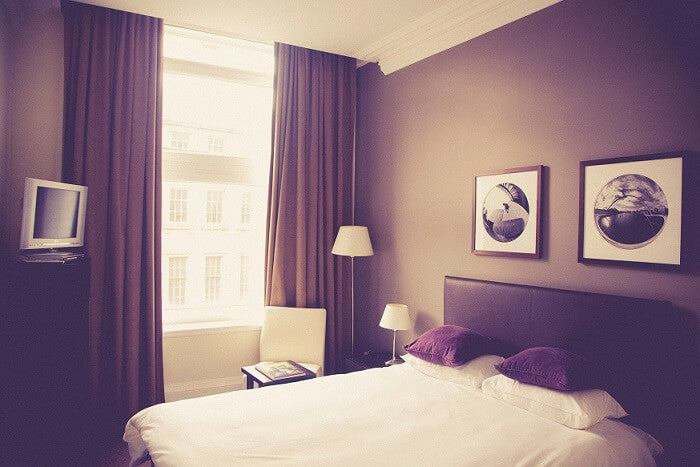
I thought my bedroom was dark. I had blackout curtains. I'd covered the small LED lights on chargers and smoke detectors with electrical tape. But even trace amounts of light affect sleep architecture, the natural progression through sleep stages that determines whether you wake feeling rested or like you've been hit by a truck.
Light exposure, even through closed eyelids, signals to your brain that it might be time to wake up. It suppresses melatonin production and can fragment your sleep cycles, particularly during the lighter stages of sleep that happen more frequently in the early morning hours. You might not consciously wake, but your sleep becomes less restorative.
What surprised me about wearing a padded eye mask wasn't that I slept longer, my total sleep time stayed roughly the same. It was that I woke feeling more genuinely rested. Less groggy. Less of that heavy, drugged feeling that had become so normal I'd forgotten it wasn't supposed to be that way.
I started noticing it after about three nights. That feeling when you wake up and your mind is clear, not scrambling, not foggy, just... awake. I'd spent hundreds of dollars chasing that feeling, and it turned out the solution was contoured foam and an elastic strap.
The Things Nobody Tells You About Sleeping in a Padded Mask
There's an adjustment period, but it's shorter than you'd think. The first night felt strange, like I was too aware of wearing something on my face. By the second night, I barely noticed it. By the end of the first week, I felt oddly vulnerable sleeping without it, like I'd forgotten a crucial piece of armor.
A few specific things that made the difference:
The pressure distribution matters. A padded mask that fits properly doesn't press on your eyes at all. The pressure is around the orbital bone, the bony ridge surrounding your eye socket. If you're feeling pressure on your actual eyeballs or lids, the mask doesn't fit right or the padding isn't properly contoured. That was my mistake with flat masks: I thought the uncomfortable pressure was just how masks felt.
Side sleeping becomes possible. This was huge for me. With a flat mask, sleeping on my side meant the mask shifted, bunched, or pressed the fabric into my eye. With a padded mask, the padding protects the eye area from pillow pressure. I could sleep in any position without compromising darkness or comfort.
You can open your eyes freely. This sounds minor until you experience it. During the night, if I woke briefly, which happens to everyone, I could open my eyes without the disconcerting feeling of fabric against my lashes or the immediate influx of light. Just calm darkness. It made it much easier to fall back asleep without fully waking.
It blocks more than light. The gentle, consistent pressure around the eye area became unexpectedly soothing. There's some evidence that light pressure stimulation can reduce anxiety and promote relaxation, it's part of why weighted blankets work for some people. I'm not saying a padded mask replaces therapy or medication for anxiety, but the cocooned feeling did seem to quiet my racing thoughts more effectively than lying in a dark room without one.
Why I Tried Everything Else First
Looking back, I think I dismissed eye masks because they seemed too simple. I'd internalized the idea that better sleep required significant investment or dramatic changes, a new mattress, a bedroom overhaul, a complete sleep schedule restructuring. A padded eye mask felt like a band-aid, not a solution.
But sleep quality isn't always about the big, expensive interventions. Sometimes it's about removing small, persistent obstacles that keep your brain from fully relaxing into rest. Light leaks were one of those obstacles, and I didn't realize how much mental energy I was expending on them until they were completely eliminated.
The other interventions still mattered, I'm not suggesting everyone throw out their blackout curtains and buy a mask instead. But if I could go back and reorder my sleep investments, a padded eye mask would be near the top of the list, not the bottom. It would have improved my sleep while I saved up for the expensive mattress, not years later after I'd already spent the money on everything else.
What to Actually Look For
Not all padded eye masks are created equal, and the cheap ones can be worse than flat masks. Here's what I learned matters:
Contouring depth. The padding needs to create actual clearance around your eyes. If your lashes still brush fabric when you blink, the padding isn't deep enough. Look for masks that specifically mention eye cavity or contoured cups.
Adjustability. A strap that's too tight causes headaches. Too loose, and the mask shifts or leaks light. You want something adjustable that stays in place without creating pressure points. I found that a wide, adjustable strap distributes tension better than a thin elastic one.
Breathable materials. Your face gets warm during the night. A mask made from non-breathable synthetic materials can become uncomfortably hot and sweaty. Look for cotton, bamboo, or modal fabrics that allow some airflow.
Nose bridge design. This is where light most commonly leaks in. A good padded mask has a flexible or moldable piece that conforms to your nose bridge and blocks light without putting pressure on your nose.
The Unexpected Benefits
Beyond better sleep, I noticed a few surprising advantages:
Travel became easier. I'd never been able to sleep on planes or in hotels because unfamiliar environments kept me alert. A padded eye mask created a consistent sleep environment regardless of where I was. The darkness was the same whether I was at home or in a hotel with thin curtains and a parking lot streetlamp outside.
Afternoon rest became possible. I'd never been able to nap, too much light, too much visual stimulation even with my eyes closed. With a padded mask, I could lie down for twenty minutes in the afternoon and actually rest, even if I didn't fully sleep.
Partner's schedule stopped affecting mine. My partner wakes earlier than I do. Before the mask, their morning routine, would pull me into shallow sleep even if they were being quiet. With the mask, I could sleep through their morning without my sleep quality suffering.
## Why This Isn't About Perfect Sleep
I want to be clear: a padded eye mask didn't fix everything. I still have nights where I sleep poorly. I still wake up sometimes feeling tired despite doing everything "right." Sleep is complex, and it's affected by stress, hormones, health conditions, medication, age, and dozens of other factors that no product can fully address.
But what a padded eye mask did do was remove one persistent obstacle. It made the sleep I was getting more restorative. It lowered the barrier between lying in bed and actually resting. For something so simple and inexpensive, that felt significant.
Looking back at all the money and effort I put into sleep optimization, I don't regret any of it. The blackout curtains, the good mattress, the bedtime routine, they all contribute. But I do wish someone had told me earlier that sometimes the smallest intervention makes the biggest perceptible difference. That you don't always have to spend hundreds of dollars or overhaul your entire bedroom to feel notably better.
Sometimes you just need to block out the light properly, in a way that's actually comfortable for a full night. And sometimes the thing that does that costs less than dinner and fits in your nightstand drawer.
If you're curious about trying a padded eye mask, Sandman's Shop has a thoughtfully curated collection designed specifically for comfort through the full night; contoured, breathable, and made for real sleepers, not just travel emergencies.