
Does a Hooded Blanket Actually Work Or Is It Just a Novelty That Loses Its Appeal After a Week?
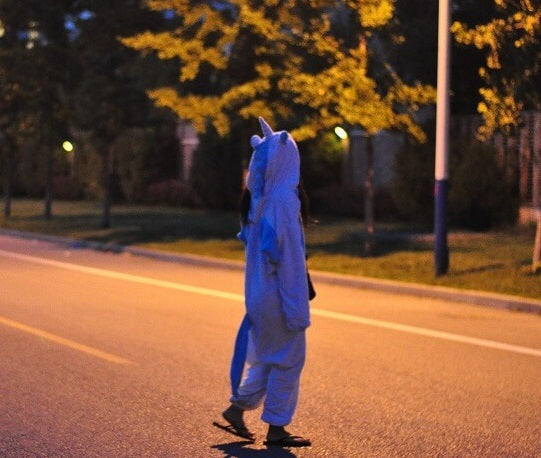
Let's be honest: hooded blankets look ridiculous in product photos. A grown adult wearing what essentially amounts to a fleece tent with a hood? It's the kind of thing you see in a targeted Instagram ad at 11 PM and think, "Who actually buys this?"
And then winter hits. Your heating bill climbs. You're working from home in a cold room, or settled in for a movie marathon, and suddenly that ridiculous hooded blanket doesn't seem so absurd anymore.
But here's the real question nobody's answering: does the *hood* part actually work, or is it just a gimmick that you use once for a photo and then ignore forever?
After years of hearing from customers, some who swear by their hooded blankets and others who relegated theirs to the "seemed like a good idea" pile, we wanted to dig into what separates a hooded blanket you'll actually use from one that becomes an expensive throw you never put on.
The Hood Isn't a Novelty. It's Solving a Specific Problem
Here's what most reviews miss: the hood on a hooded blanket isn't there to look cute. It's there to solve the same problem that's plagued regular blanket users forever, the cold gap at your neck and shoulders.
When you're wrapped in a traditional blanket, there's always that exposed zone where cold air sneaks in. You adjust, you tuck, you create a blanket burrito situation that works until you need to use your hands for literally anything. Then the whole thing collapses.
The hood eliminates this. When designed properly, it creates a sealed warm environment from your head down to your feet. No gaps. No constant readjusting. No choosing between keeping your shoulders warm and freeing your arms to hold your phone, book, or coffee.
But, and this is critical, only if you're in a situation where you need that specific solution.
Who Actually Uses the Hood (And Who Doesn't)
After analyzing usage patterns and customer feedback, we've noticed a clear divide:
People Who Use the Hood Daily:
Remote workers in cold homes. When you're sitting relatively still at a desk for hours, that neck and shoulder warmth becomes essential. You're not moving around generating heat, you're stationary, and the hood keeps your core temperature stable without cranking the thermostat.
Evening relaxers who get genuinely cold. If you're someone who gets properly chilly in the evenings (not just mildly cool), the hood becomes part of your wind-down routine. These are people who otherwise layer up with scarves or multiple blankets, the hood consolidates that need.
People with sensory preferences for enclosed warmth. Some people find the gentle pressure and enclosure of a hood genuinely calming. It's not weighted blanket pressure, but it creates a cocooned feeling that aids relaxation for certain nervous systems.
People Who Stop Using the Hood After Week One:
Those who run warm naturally. If you're typically kicking off blankets in the night or opening windows in winter, a hooded blanket is overkill. You'll use it as a regular throw and the hood becomes dead weight, literally adding fabric bulk you don't need.
Active users who move around a lot. If you're wearing your blanket while doing chores, playing with kids, or moving between rooms frequently, the hood gets in the way more than it helps. It's designed for stationary comfort, not mobility.
People buying primarily for aesthetics. Yes, they look cozy in photos. But if your primary motivation is how it looks rather than a genuine cold problem you're trying to solve, the novelty wears off fast.
What Makes a Hooded Blanket Worth Keeping vs. Discarding
The difference between a hooded blanket you'll use for years and one that ends up donated comes down to surprisingly specific design elements:
Weight Distribution
Cheap hooded blankets put all the fabric weight on your shoulders. After 20 minutes, you feel like you're wearing a wet towel. Quality versions distribute weight evenly so you barely notice you're wearing anything beyond the warmth.
Look for designs where the hood doesn't pull backward on your head. If you have to hold the hood in place or it slides off when you look down, you won't use it.
Fabric That Breathes (Yes, Really)
This sounds counterintuitive for a warmth product, but hooded blankets made from non-breathable synthetic fleece create a sweat problem. You get warm, then clammy, then you take it off. The cycle repeats.
Better options use fabrics with some natural fiber content or advanced synthetic blends that wick moisture while maintaining warmth. You stay at a comfortable temperature longer without overheating.
Arm Freedom
The biggest functional complaint we hear: "I can't use my hands without the whole thing falling open."
Effective hooded blankets have either elastic cuffs, thumb holes, or generous sleeve proportions that let you extend your arms fully without creating gaps at the shoulders. If reaching for your coffee mug means cold air rushing in, you'll abandon the whole concept.
Size Proportions That Match Real Bodies
Many hooded blankets are designed in one generic "oversized" dimension. This creates problems at both ends: too much excess fabric pooling around smaller users, or not enough length for taller people who end up with cold feet (literally).
The best versions come in multiple size options or have dimensions generous enough to accommodate a range of body types without dragging on the floor or leaving gaps.
The Real Competitor Isn't Other Hooded Blankets
Here's the contrarian part: hooded blankets aren't really competing with other hooded blankets. They're competing with your heating bill, your layering strategy, and your tolerance for being cold.
A quality hooded blanket costs between $40-80. That's roughly the price difference in heating costs over a single winter month if you can lower your thermostat by even 3-4 degrees in the rooms you're occupying.
For people working from home or spending significant evening time in one room, that math works. You're not heating your entire house to 72°F, you're heating your personal space to whatever temperature you find comfortable, and wearing your warmth instead of paying to warm empty rooms.
For people who are rarely cold, move around a lot, or already have a comfortable temperature management system, that same $40-80 is better spent on other sleep or comfort upgrades.
When the Hood Becomes Essential (Not Just Nice)
There are specific situations where the hood transforms from "kind of useful" to "genuinely solving a problem":
Post-shower warmth retention. If you struggle with getting cold after evening showers, a hooded blanket helps your body retain the warmth while your hair dries and your core temperature stabilizes. The hood specifically keeps heat from escaping from your head and neck where you lose it fastest.
Anxiety and sensory regulation. While we don't have specific clinical studies on hooded blankets themselves, the principle mirrors what we know about gentle pressure and enclosed spaces helping some people manage anxiety. The hood creates a subtle boundary that some nervous systems find organizing and calming.
Transition seasons when heating isn't quite on. Those awkward weeks in fall and spring when it's too cold to be comfortable but not cold enough to justify full heating, this is where hooded blankets shine. They bridge the gap without the commitment of turning on your heating system.
What to Actually Look for When Buying
If you've decided a hooded blanket might genuinely work for your situation, here's what separates the ones you'll keep from the ones you'll regret:
Try the hood before committing to the whole concept. If possible, test whether you find hoods generally comfortable or claustrophobic. Some people love the enclosed feeling; others can't stand anything touching their head and neck.
Check the return policy carefully. Since this is such a personal-preference item, a generous return window matters more than with standard blankets.
Read reviews for your specific use case. Don't just look at star ratings, search reviews from people using it the way you plan to (working from home, evening TV watching, etc.).
Consider starting with a mid-range option. The $20 versions are almost universally disappointing (poor fabric, bad hood design, falls apart quickly), but you don't need the $100+ premium versions to test whether the concept works for you.
Pay attention to care instructions. If it requires special washing or air-drying only, factor in whether you'll actually maintain it properly. A hooded blanket you can throw in the regular wash gets used more.
The Honest Answer
Does a hooded blanket really work? Yes, but only if you have the specific problem it's designed to solve.
If you're someone who gets genuinely cold, spends significant time sitting in one place, and struggles with traditional blankets leaving your neck and shoulders exposed, a well-designed hooded blanket becomes a daily essential, not a novelty.
If you're buying it because it looks cozy in photos, or you're hoping it will magically make you a person who lounges more, or you run warm naturally, the hood will feel like unnecessary bulk within a week.
The product itself isn't a gimmick, but the marketing often sells it to people who don't need what it actually offers. Know which category you're in before buying.
Frequently Asked Questions
Q: Will I actually use the hood or is it just for show?
A: You'll use the hood regularly if you're someone who gets cold around the neck and shoulders while sitting still, working, reading, or watching TV. If you're active while wearing it or naturally run warm, the hood becomes decorative weight you'll ignore.
Q: How is a hooded blanket different from just wearing a hoodie under a blanket?
A: A hooded blanket provides continuous warmth from head to toe without the bunching and gaps that happen when layering separate pieces. The key difference is the seamless coverage, no cold spots where your hoodie ends and your blanket begins, and your arms stay free without compromising shoulder warmth.
Q: Can you sleep in a hooded blanket?
A: While you technically can, most people find them too warm and restrictive for actual sleep. They're designed for awake relaxation- reading, working, or watching TV, where you're sitting upright or semi-reclined. For sleep, a regular blanket with proper temperature regulation works better for most people.
Q: How do you wash a hooded blanket without ruining it?
A: Most quality hooded blankets are machine washable on gentle cycle with cold water, but always check the specific care label. Avoid fabric softener (it reduces the fabric's warmth properties), and either tumble dry on low or air dry depending on the material. The hood should maintain its shape if the blanket is designed well.
If you're looking for a hooded blanket designed with actual functionality in mind, not just novelty appeal, explore our collection built for people who genuinely need the warmth, not just the aesthetic.