


How the Versatility of Throw Pillows Transforms Your Sleep Space (Without the Commitment)
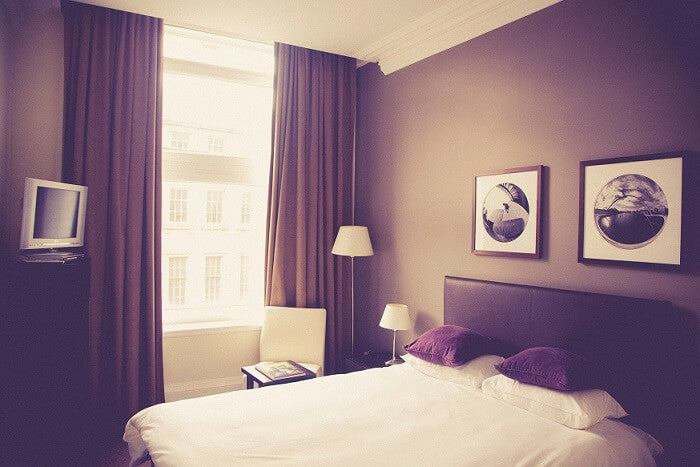
You know that feeling when you walk into a hotel room and instantly feel calmer? That sense of "ah, I could rest here"? There's a good chance throw pillows are doing more heavy lifting than you realize.
Here's the truth most design blogs won't tell you: you don't need to repaint your bedroom or buy a new bed frame to completely transform how your sleep space feels. The versatility of throw pillows—those seemingly simple fabric squares—gives you permission to experiment, refresh, and personalize your rest environment without the anxiety of expensive mistakes.
If you've been sleeping in the same visual environment for months (or years), your brain has stopped noticing it. That matters more than you think. A stale bedroom can feel like a chore to retreat to. But small, intentional changes signal to your mind that this space is cared for, seasonal, alive—a place worth unwinding in.
Why Throw Pillows Are Your Secret Weapon for Bedroom Refresh
The versatility of throw pillows isn't just about aesthetics. It's about creating a sleep environment that evolves with you—your moods, the seasons, your energy levels, even your budget.
Unlike curtains that require measuring and mounting hardware, or rugs that need specific dimensions, throw pillows are gloriously forgiving. Wrong size? Layer it. Clashing pattern? Move it to the chair. Seasonal burnout? Swap it out in thirty seconds.
This low-stakes flexibility makes them the perfect entry point for anyone who wants to refresh their bedroom but feels paralyzed by decorating decisions. You're not committing to a paint color you'll stare at for three years. You're trying on a mood.
The Psychology of Small Changes
When you change something visible in your sleep space—especially something at eye level when you enter the room—your brain registers novelty. That micro-moment of "oh, this is different" can interrupt the autopilot feeling of trudging into the same tired room every night.
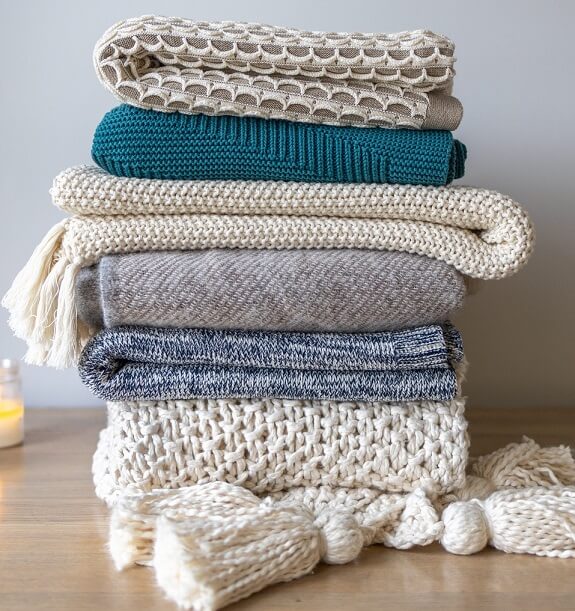
Throw pillows sit right in your sightline. On your bed, your reading chair, your window bench. They're visual punctuation marks that tell your brain: this space shifts, breathes, responds to the world outside. In winter, you can pile on chunky knits and deep jewel tones. In summer, swap to linen and whites that feel like cool sheets.
This isn't about perfection. It's about participation in your own environment.

How to Use Throw Pillows to Refresh Any Bedroom (On Any Budget)
Let's get practical. The versatility of throw pillows shines when you understand the basic mix-and-match principles. This isn't about rules—it's about having a framework so you can experiment without second-guessing yourself into paralysis.
Start With One Anchor Pillow
Pick one throw pillow that excites you. Maybe it's a bold pattern, a rich texture, or a color that makes you feel something. This is your anchor—the piece everything else plays off.
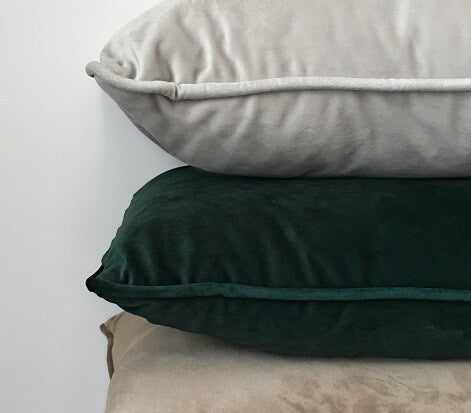
Your anchor doesn't need to match your bedding. In fact, it's better if it doesn't exactly match. You want conversation, not a monotone. If your bedding is neutral (grays, whites, beiges), your anchor pillow can be saturated color or graphic pattern. If your bedding already has pattern, choose an anchor in a solid texture—velvet, linen, boucle.
Budget tip: This is the one pillow worth spending a bit more on. Everything else can be affordable fillers.
Layer in Two Supporting Textures
Once you have your anchor, add two pillows in different textures that pull colors from your anchor. If your anchor is a rust-and-cream geometric print, one supporting pillow might be solid rust velvet, another cream linen.
The texture contrast is what creates visual interest and that expensive, designed look. Flat cotton next to chunky knit next to smooth velvet—your eye travels across the composition instead of sliding past it.
Boho bonus: This is where boho decorating becomes accessible. Boho isn't about buying all-new matching sets. It's about layering textures, mixing global influences, and embracing the slightly imperfect. Macramé next to embroidered next to woven. Old and new. Handmade and store-bought.
Add One Wild Card (If You're Feeling It)
The wild card is optional, but this is where personality lives. A pillow with fringe. An unexpected shape—round or lumbar instead of square. A vintage find. Something that makes you smile but technically "shouldn't" work.
This is your permission to break whatever rule you think exists. If it makes you happy to look at, it works.
The Mix-and-Match Principles That Actually Matter
Forget what you've heard about "rules" for pillow arranging. Here's what actually creates cohesion without boring yourself to tears:
Pattern Mixing: Vary the Scale
If you're using multiple patterns, make sure they're different scales. One large-scale print (big florals, wide stripes), one medium (medium geometrics), one small (tiny dots, thin lines). This prevents visual competition—your eye can rest on each pattern individually instead of getting overwhelmed.
Size Variation Creates Depth
Don't buy all the same size. A bed looks more inviting with layered dimensions:
- Back layer: Two larger Euro squares (26" x 26") or standard sleeping pillows in shams
- Middle layer: Two standard throw pillows (20" x 20" or 18" x 18")
- Front accent: One smaller lumbar (12" x 20") or round pillow
This graduated sizing creates visual depth and makes your bed look like a place you want to sink into, not a rigid display.
Odd Numbers Feel More Organic
Three or five pillows look more natural than two or four. It's not a hard rule, but odd groupings feel collected over time rather than bought as a matching set. That "I didn't try too hard" ease is exactly what makes a bedroom feel restful instead of staged.

Seasonal Swaps That Transform Your Sleep Mood
This is where the versatility of throw pillows becomes genuinely useful. You don't need four complete bedroom sets. You need one solid foundation and a few seasonal swaps that change the entire energy.
Spring/Summer: Light, Cool, Breathable
Swap in linen, cotton, and lightweight fabrics in whites, soft blues, pale greens, or warm terracotta. The visual lightness actually makes your bedroom feel cooler—important when you're trying to signal to your body that it's time to rest in warmer months.
Pastels and sun-bleached tones evoke that "clean sheet" feeling. Pair with botanical prints or simple stripes for an uncomplicated, airy mood.
Fall/Winter: Rich, Warm, Layered
Bring in velvet, wool, faux fur, and chunky knits in deeper jewel tones—burgundy, forest green, burnt orange, charcoal. These textures and colors visually warm a space and make your bed look like a place to hibernate.
This is the season to pile on extra pillows without guilt. More layers = more coziness. Embrace maximalism when the weather turns.
Budget-Friendly Strategies for Endless Versatility
You don't need to spend hundreds refreshing your bedroom. Here's how to make the versatility of throw pillows work on any budget:
Buy quality inserts once, swap covers endlessly. Pillow inserts (the stuffing) can last years. Invest in good down-alternative or feather inserts, then buy inexpensive covers you can change seasonally. Covers with hidden zippers make swapping effortless.
Start with three, not ten. Three well-chosen pillows have more impact than ten mediocre ones. Build your collection gradually as you find pieces you genuinely love.
Thrift and vintage for texture. Vintage pillows, global textiles, and thrifted finds add texture and story without the markup. An embroidered suzani pillow from an estate sale will always look more interesting than something mass-produced.
DIY pillow covers if you're even slightly crafty. Fabric remnants, old scarves, even tea towels can become pillow covers with basic sewing or iron-on hem tape. This is the definition of low-stakes experimentation.

Throw Pillows Beyond the Bed: Layering Comfort Everywhere
Don't limit throw pillows to your bed. The most restful bedrooms have multiple zones for unwinding—and pillows make each spot feel intentional.
Reading chair: One lumbar pillow transforms a stiff chair into a place you'll actually sit and read before bed instead of scrolling your phone in bed.
Window seat or bench: Two throw pillows instantly convert dead space into a journaling spot, a place to sit and put on shoes, or a meditation corner.
Floor cushions: Large floor pillows create flexible seating for stretching, gentle yoga, or simply sitting somewhere that isn't your bed when you need a posture change.
Each of these small comfort zones contributes to a bedroom that supports rest in multiple ways—not just sleep, but actual relaxation throughout your evening wind-down.
Your First Throw Pillow Refresh: A Simple Starting Point
If you're staring at your bedroom right now feeling overwhelmed, start here:
Week 1: Remove all decorative pillows. Live with just your sleeping pillows for a few days. Notice how the room feels. What do you miss visually?
Week 2: Add back (or buy) just one anchor pillow in a color or texture that genuinely makes you feel something positive.
Week 3: Add one contrasting texture in a coordinating color.
Week 4: If it feels right, add one more accent—pattern, wild card, or additional texture.
You'll know when it feels complete. The goal isn't Instagram perfection. It's walking into your bedroom and feeling a small lift instead of visual boredom.
Frequently Asked Questions
Q: How many throw pillows should be on a bed?
A: There's no magic number, but 3-5 decorative pillows (plus your sleeping pillows) creates visual interest without overwhelming. For a queen bed, try two Euro shams in back, two standard throw pillows in front, and one lumbar accent. Adjust based on what feels inviting to you, not what looks "correct."
Q: Can you mix patterns and textures with throw pillows?
A: Absolutely—this is where the versatility of throw pillows shines. Mix patterns by varying the scale (large, medium, small prints together), and always include solid textures (velvet, linen, knit) to give the eye places to rest. Pull colors from one patterned pillow into your solid choices for cohesion.
Q: How often should you change throw pillows?
A: Seasonally is ideal if you want your bedroom to feel fresh—lighter fabrics and colors for spring/summer, richer textures and tones for fall/winter. At minimum, refresh or rotate them annually. If a pillow is flattened, stained, or makes you feel "meh" when you look at it, it's time for a change.
Q: What's the difference between a throw pillow and a regular pillow?
A: Throw pillows are decorative accent pillows designed for visual interest and occasional support—sitting up in bed reading, propping behind your back. Regular (sleeping) pillows are engineered for neck and head support during sleep with specific fills and loft heights. You remove throw pillows before sleeping; sleeping pillows stay.
Q: Are expensive throw pillows worth it?
A: Selectively, yes. Invest in quality inserts (the stuffing) that will hold their shape—these last for years. For covers, mix investment pieces (one or two anchors in quality fabrics) with affordable trend pieces you can swap seasonally. This gives you versatility without overspending on something you might want to change in six months.
The versatility of throw pillows is really about giving yourself permission to change your mind, to respond to seasons and moods, to make your sleep space feel like it belongs to the current version of you. When you're ready to experiment with textures, colors, and comfort, explore Sandman's Shop's collection of throw pillows designed specifically for bedrooms—pieces that balance beauty with the softness you actually want to rest against