

Women's Loungewear Guide: How to Build a Collection That's Comfortable Enough for Home and Considered Enough for Outside It
The best loungewear you'll ever own isn't the set you wore once to the grocery store and felt awkward in. It's the pieces you reach for every single evening because they make you feel immediately at ease, and happen to look decent enough that you don't panic when the doorbell rings.
This guide is about building a loungewear collection from that place: comfort first, always. The "can I wear this outside?" question is secondary, a pleasant bonus rather than the primary goal. Because the truth is, if something doesn't feel genuinely restful at home, you won't wear it enough to justify the investment, no matter how Instagram-ready it looks.
What Actually Makes Loungewear Different From Pajamas or Activewear
Loungewear occupies a specific comfort zone that's worth understanding before you buy anything.
Unlike pajamas, loungewear isn't designed primarily for sleep. The fabrics are often slightly more structured, the waistbands more supportive (but still forgiving), and the fit allows for movement beyond rolling over in bed. You're not overheating in fleece at 3am, but you're also not wearing something so loose it's impractical for sitting at a desk or folding laundry.
Unlike activewear, loungewear doesn't have to perform athletically. Yes, there's overlap, but true loungewear prioritizes softness and drape over moisture-wicking or compression. If you've ever worn yoga pants all day and felt vaguely constricted by evening, you understand the difference. Loungewear should feel like your body can fully exhale.
The sweet spot: clothing that feels restorative to wear while still being functional for light daily activities.
The Core Pieces Worth Investing In (And What to Keep Budget)
Invest: The Everyday Joggers or Wide-Leg Pants
This is your workhorse piece. You'll wear these 4-5 times per week, so fabric quality matters enormously.
Look for mid-weight cotton blends or modal with at least 5% elastane. Pure cotton sounds appealing but loses its shape quickly. The slight stretch keeps the waistband comfortable after meals and maintains the drape through dozens of washes.
Wide-leg styles in ribbed knits or French terry offer more ventilation than tapered joggers, better for warm sleepers or anyone working from home in a heated space. Tapered joggers with cuffed ankles provide a more contained silhouette if you're moving between rooms frequently or prefer the feeling of definition.
Budget range: $40-80. Below $40, you'll typically find fabrics that pill within weeks or elastic that goes slack. Above $80, you're often paying for brand positioning rather than meaningfully better construction.
Invest: One Perfect Long-Sleeve Top
The top you wear most should feel invisible on your skin; no scratchy seams, no tight sleeve cuffs, no awkward length that rides up when you reach for something.
The most versatile option is a relaxed crew neck or henley in a drapey knit. Avoid anything described as "oversized" unless you've tried that brand before; true oversized can feel sloppy rather than relaxed. You want ease, not excess fabric.
Fabric weight matters seasonally. Lightweight modal blends (around 180-220 GSM) work year-round in climate-controlled homes. Heavier French terry or waffle knits (300+ GSM) are ideal if your home runs cool or you want that cocooning feeling in the evening.
Budget range: $35-70.
Keep Budget: Extra T-Shirts and Layering Camis
These are rotating pieces that take more frequent washing. A simple cotton-modal blend t-shirt in a flattering cut does the job beautifully at $18-30. Stock up on 3-4 in neutral colors and replace them annually without guilt.
The same applies to basic ribbed tank tops or camis for layering, they'll show wear from repeated washing, so spending $60 on one doesn't make practical sense.
Invest Selectively: The Matching Set (If It Actually Suits Your Life)
Matching loungewear sets have become the default "elevated loungewear" recommendation, but they're not universally useful.
Sets work best if you:
- Regularly take video calls from home and want a pulled-together look from the waist up
- Enjoy the visual simplicity of coordinated pieces
- Have consistent laundry routines (both pieces need washing at the same frequency, or you'll constantly be missing one half)
Sets are less practical if you:
- Run significantly warmer or cooler on top versus bottom
- Prefer mixing textures (a soft tee with structured joggers, for example)
- Do messy tasks at home where one piece gets dirty faster than the other
If you do invest in a set, choose one where the pieces genuinely work independently. The most versatile sets have a simple crew or V-neck top and pants without overly trendy details.
Budget range: $60-120 for the set.
How Fabric Choice Determines Versatility (And Comfort)
For Year-Round Wear: Modal and Cotton-Modal Blends
Modal is a semi-synthetic fiber made from beech trees, and it's earned its place in quality loungewear for good reasons. It's softer than cotton, drapes beautifully, retains color through washing, and has natural breathability.
Cotton-modal blends (usually 60-70% cotton, 30-40% modal) give you the familiar comfort of cotton with better shape retention and a slightly more refined appearance. These pieces can legitimately transition to casual errands because the fabric doesn't look rumpled or overly casual.
For Maximum Softness: Brushed Knits and Pima Cotton
If your priority is that immediate "ahhh" feeling when you change into loungewear at the end of the day, brushed knits deliver. The brushing process raises the fibers slightly, creating a peached or fleece-like texture that feels gentle against skin.
Pima cotton (also called Supima in the US) has longer fibers than standard cotton, resulting in a smoother, more durable fabric. It's noticeably softer and resists pilling better. Worth seeking out for pieces you'll wear constantly.
For Cool Homes or Winter: French Terry and Waffle Knits
French terry is the unsung hero of cool-weather loungewear. It has a smooth outer surface and a looped interior that traps warmth without weight. Unlike fleece, it doesn't overheat you the moment you move around or sit near a heat source.
Waffle knits have a textured, grid-like structure that creates tiny air pockets for insulation. They're lighter than French terry but warmer than smooth knits, ideal for layering or for people who want warmth without bulk.
What to Avoid: Synthetic Fleece and Low-Grade Polyester
Synthetic fleece pajamas and loungewear are everywhere because they're inexpensive to produce and initially soft. But they trap heat aggressively, don't breathe, and develop static cling. If you've ever woken up overheated and tangled in fleece pants, you understand the problem.
Low-grade polyester (often blended with minimal cotton or labeled simply as "polyester blend") pills rapidly, holds odors, and has an artificial hand-feel. It's tempting when priced at $20 for a full set, but you'll replace it within months.
Exception: High-quality performance polyester blends designed for temperature regulation can work well, but these are typically found in specialized sleepwear brands and priced accordingly.
Building a Minimal Collection That Actually Gets Worn
If you're starting from scratch or streamlining, this combination covers nearly every at-home scenario:
Two pairs of pants: One jogger or wide-leg pant in a neutral (charcoal, navy, or oatmeal), one in a second neutral or muted color you're drawn to.
Three to four tops: One long-sleeve relaxed tee or henley (your investment piece), two short-sleeve tees in complementary colors, one cardigan or zip-up in a light layering weight.
One shorts option (if you run warm or it suits your climate): Mid-length lounge shorts in the same fabric family as your pants.
This gives you a week's worth of comfortable variation without decision fatigue. Everything works together, everything serves a clear purpose, and nothing sits unworn because it doesn't quite fit your actual routine.
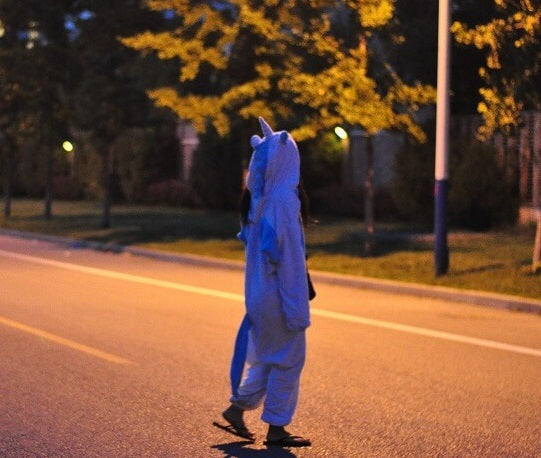
The "Can I Wear This Outside?" Test (And Why It Matters Less Than You Think)
The loungewear-in-public conversation often centers on whether something "looks intentional", a vague standard that usually means "could this pass for expensive activewear?"
Here's a more useful framework: Can you wear it outside without feeling physically uncomfortable or conspicuous?
You're probably fine wearing it for errands if:
- The fabric is opaque (no worn-thin spots, clearly visible underwear lines, or sheerness)
- The fit is deliberate rather than sloppy (relaxed is fine; falling-apart elastic is not)
- There are no visible stains, holes, or pilling
- You feel like yourself in it, not like you're wearing pajamas in public
It's probably stay-home-only if:
- The fabric is very lightweight or clearly sleep-specific
- It's covered in an obvious sleep print (moons, "dreaming" text, etc.)
- The fit requires constant adjustment
- You'd feel underdressed or anxious wearing it
The honest truth? Most of your loungewear will stay home, and that's completely fine. These pieces serve your comfort and rest, not your outside presentation. If one or two items happen to work for a quick trip to the mailbox or a casual coffee run, consider that a bonus, not a requirement for the purchase.
Frequently Asked Questions
Q: How many loungewear pieces do I actually need?
A: Most people wear loungewear 3-5 days per week at home. A functional collection is two bottoms, four tops, and one layering piece, enough for weekly laundry cycles without constant repeating. More than that, you're likely accumulating pieces that don't get regular rotation.
Q: Should loungewear fit loosely or more fitted?
A: Aim for "relaxed" rather than either extreme. Truly oversized pieces feel cozy initially but can be awkward for any activity beyond sitting still. Fitted loungewear often becomes uncomfortable after an hour or two. Look for ease through the body with enough structure to maintain shape, you should be able to move freely and forget you're wearing it.
Q: What's the difference between expensive and cheap loungewear?
A: Fabric quality and construction. Expensive loungewear (roughly $60+ per piece) typically uses better-grade fibers, reinforced seams, and more durable elastic. It maintains softness and shape through 50+ washes. Budget loungewear (under $25) often pills quickly, loses elasticity, and feels noticeably rougher after a few wash cycles. The middle range ($30-60) offers the best value for most people, meaningfully better quality without luxury pricing.
Q: Can I sleep in loungewear, or do I need separate pajamas?
A: You can sleep in lighter loungewear pieces (modal tees, cotton shorts, relaxed pants without heavy hardware), but dedicated sleepwear is usually designed with better temperature regulation and less restrictive fits. If you're a restless sleeper or run hot at night, you'll likely find true pajamas or sleep-specific fabrics more comfortable. Use what actually helps you sleep better, there's no rule that says they must be separate.
When you're ready to start building a collection that prioritizes your actual comfort at home, Sandman's Shop's women's loungewear range focuses on natural-fiber pieces designed for rest first. Every piece is selected for softness, durability, and the kind of ease that makes coming home the best part of your day.