
Why the Ugly Snowman Sweater Became Our Coziest Holiday Tradition
The ugly Christmas sweater has a peculiar origin story: it wasn't designed to be ugly. Those first genuinely unfortunate sweaters from the 1980s — the ones with puffy-painted reindeer and tinsel sewn directly into acrylic — were earnest attempts at festive fashion. Their creators thought they were making something wonderful. The wearers, often receiving these as gifts from well-meaning relatives, smiled through the discomfort of itchy fabric and garish colours.
Then something strange happened. Somewhere in the early 2000s, the irony flipped. People started seeking out the most aggressively terrible holiday sweaters they could find, hosting parties specifically to celebrate sartorial disasters. And at the centre of this cultural reversal sits one design more than any other: the snowman.

Why Snowmen Became the Face of Ugly Sweater Culture
Of all the holiday imagery available — reindeer, Santa, ornaments, candy canes — the snowman emerged as the unofficial mascot of the ugly sweater movement. This isn't accidental.
Snowmen occupy a unique space in holiday iconography. Unlike religious symbols, they're universally accessible. Unlike Santa or his elves, they're not trademarked or heavily commercialized by specific brands. A snowman is public domain whimsy, which gives designers complete freedom to commit crimes against taste without legal consequence.
This freedom manifested in increasingly absurd ways. Designers discovered that a snowman's simple form — three circles stacked vertically — could be placed absolutely anywhere on a sweater. The carrot nose could be strategically positioned. The coal-button eyes could appear in unexpected locations. What started as innocent winter imagery became a playground for innuendo and visual puns that would never fly with a nativity scene.
The "peekaboo snowman" design, where the snowman's body parts appear in suggestive arrangements, became particularly popular in the 2010s. These sweaters walked a careful line: inappropriate enough to get a laugh at an office party, but still technically showing nothing more than a cheerful winter character made of snow.
The Comfort Paradox: Why We Wear Deliberately Uncomfortable Things
Here's where the ugly snowman sweater intersects with sleep and comfort in an unexpected way: these sweaters are almost universally made from scratchy, low-quality acrylic that feels like wearing a Brillo pad. They're often sized incorrectly. The embellishments — pom-poms, bells, LED lights, dangling fabric carrots — make them actively hostile to relaxation.
And yet people love wearing them specifically because they signal permission to be cozy.
The ugly sweater party, as a cultural institution, creates a designated space where comfort supersedes style. You're not trying to look attractive or professional. You're leaning into the absurd, the nostalgic, and the communal. These parties typically happen at home, in the evening, with people you know well enough to look ridiculous around. They're associated with hot chocolate, terrible holiday movies, and the kind of laughter that only happens when social performance pressure drops away.
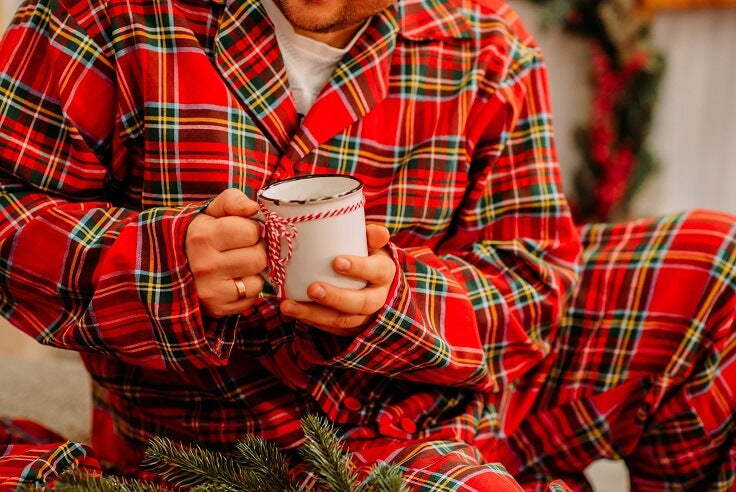
The snowman sweater, in its deliberate ugliness, becomes a uniform that says: "I am here to relax and be silly." This is the same psychological shift that happens when you change into pajamas. The garment itself might not be the height of comfort, but what it represents — the shedding of social expectations, the embrace of seasonal coziness, the permission to simply be — creates a mental state conducive to genuine rest and connection.

From Thrift Store Finds to Deliberate Design: The Evolution of Ugly
The early ugly sweater parties, which started gaining traction in Vancouver in the early 2000s before spreading across North America, relied on authentic vintage finds. Thrift stores became treasure troves for truly hideous knitwear that someone's grandmother had lovingly crafted decades earlier.
These authentic ugly sweaters had a specific aesthetic: they were trying to be beautiful and failing. The proportions were off. The colour combinations clashed in ways no modern designer would approve. The snowmen had lopsided faces and carrot noses that looked more like orange tumours than vegetables.
But as ugly sweater culture exploded, demand outstripped the supply of authentic vintage disasters. Retailers recognized an opportunity, and by 2010, you could buy deliberately ugly sweaters mass-produced in factories. This created an interesting design challenge: how do you manufacture something that's supposed to look accidentally terrible?
The snowman design proved particularly adaptable to deliberate ugliness. Designers learned to:
- Use intentionally garish colour combinations (electric blue snow, neon green backgrounds, sparkly purple scarves on snowmen)
- Add three-dimensional elements that make the sweater impractical (protruding carrot noses, dangling stick arms, pom-pom snowballs)
- Incorporate bad puns ("Chillin' with My Snowmies," "Let It Snow-Man")
- Mix holiday metaphors chaotically (snowmen wearing Santa hats riding reindeer)
- Include interactive elements (sweaters where you can pull a string to make the snowman's nose extend, LED lights that flash)
The modern ugly snowman sweater knows exactly what it is. It's not trying to be beautiful and failing — it's trying to be ugly and succeeding spectacularly.
What Makes a Snowman Sweater Successfully Ugly
Not all ugly sweaters are created equal. If you're investing in an ugly snowman sweater (and yes, even deliberately terrible sweaters are an investment in your seasonal comfort and social life), certain elements separate the memorable from the forgettable.
Commitment to the Concept
The best ugly snowman sweaters fully commit to a single terrible idea rather than throwing random elements together. A sweater featuring a snowman whose carrot nose is strategically placed? Committed. A sweater with seventeen different design elements fighting for attention? Just chaotic.
Wearability Despite Ugliness
Here's the crucial factor most articles about ugly sweaters ignore: you actually have to wear this thing. If it's so uncomfortable that you spend the entire party itching and overheating, the joke wears thin quickly.
Look for ugly sweaters that are ugly in design but not in construction. The colours can be hideous, but the fabric should have some softness to it. The embellishments can be absurd, but they shouldn't fall off after one wearing or poke you constantly. A quality ugly sweater is an investment in multiple years of holiday parties.
The Right Level of Inappropriate
The snowman design walks a fine line between family-friendly and adult humour. The best ugly snowman sweaters are clever enough to get knowing laughs from adults while remaining acceptable to wear around kids who will just see a cheerful snowman.
Nostalgia Without Cruelty
The cultural shift that made ugly sweaters beloved happened when we moved from mocking someone's genuine fashion mistake to celebrating intentional absurdity. An ugly sweater should evoke the aesthetic of those earnest 1980s designs without actually making fun of anyone who wore them sincerely.

The Sleep Connection: Why Holiday Traditions Matter for Rest
This might seem like a strange detour into cultural history for a sleep-focused shop, but the connection is genuine. The rituals we create around comfort, nostalgia, and seasonal celebration directly impact our ability to rest well during what can be the most stressful time of year.
Holiday traditions — even silly ones like ugly sweater parties — create psychological markers that signal safety and belonging. When you're surrounded by people you trust enough to look ridiculous around, wearing a sweater that proclaims you're not taking yourself too seriously, your nervous system can actually relax in ways it can't during more formal social obligations.
The ugly snowman sweater, specifically, has become a uniform of designated coziness. When you put it on, you're not heading to a formal event where you'll be evaluated. You're heading to a space where comfort, warmth, and laughter are the priorities. This mental association with relaxation makes the sweater itself — despite its scratchy acrylic reality — feel like a cozy garment.
These same principles apply to actual sleepwear. The psychological association between a garment and relaxation matters as much as the fabric composition. When you have pajamas or loungewear that signals to your brain "this is rest time," you're creating a ritual that supports better sleep.
Choosing Your Ugly Snowman Sweater: A Practical Guide
If you're in the market for an ugly snowman sweater that will become a beloved seasonal tradition rather than a one-year joke, consider these factors:
Fabric content: Look for blends that include at least some natural fibers or higher-quality acrylics. You'll be wearing this for several hours at parties, probably in overheated houses. Pure synthetic fabrics trap heat and moisture uncomfortably.
Embellishment security: Pull gently on any three-dimensional elements before buying. If the snowman's carrot nose or pom-pom buttons come off easily, they won't survive a party, let alone multiple seasons.
Sizing: Ugly sweaters tend to run large because they're designed for layering over other clothes. If you're between sizes, consider going smaller, especially if you plan to wear it at home where you'll want to feel cozy rather than drowning in fabric.
Washability: Check the care label. Some ugly sweaters with extensive embellishments are dry-clean only, which is absurd for a garment whose entire purpose is to be ridiculous. Choose machine-washable options.
Design longevity: Trends within ugly sweaters change (yes, really). A classic snowman design will age better than something tied to a specific meme or pop culture reference. In five years, will this still be funny, or just confusing?
Frequently Asked Questions
Q: Are ugly Christmas sweaters supposed to be actually uncomfortable?
A: No. While vintage ugly sweaters were often uncomfortable due to cheap materials and poor construction, modern deliberately-ugly sweaters can and should be wearable. The design should be ugly; the wearing experience shouldn't be miserable. Look for soft acrylic blends and secure embellishments that won't irritate your skin.
Q: Why are snowman designs so popular for ugly sweaters compared to other holiday images?
A: Snowmen offer designers the most creative freedom because they're non-religious, not trademarked, and have a simple three-circle form that can be manipulated in countless ways. Their innocent winter imagery also provides perfect contrast for slightly inappropriate or absurd design choices that make the best ugly sweaters memorable.
Q: Can I wear an ugly snowman sweater outside of an ugly sweater party?
A: Absolutely. The ugly sweater has evolved from party costume to acceptable casual holiday wear. Many people wear them throughout December for shopping, casual gatherings, or simply lounging at home. The key is choosing one that commits to the ugly aesthetic without being so outrageous it demands constant explanation.
Q: How do I store an ugly sweater so it lasts multiple years?
A: Wash it after each wearing (holiday parties mean spilled drinks and snacks), then store it folded in a cool, dry place. Avoid hanging, which can stretch the shoulders, especially if your sweater has heavy embellishments. A sealed plastic bin protects against moths and keeps it fresh for next year's festivities.
If you're building your collection of comfortable, cozy seasonal pieces that make winter feel welcoming rather than exhausting, Sandman's Shop offers ugly snowman sweaters designed for actual wearability alongside their deliberate aesthetic disasters — because even intentionally terrible fashion should feel good to wear when you're settling in for the season.