



I remember the exact night it changed. Not because anything dramatic happened, but because for the first time in three years, nothing woke me up.
No garbage truck beeping at 4:47 a.m. No bass from the bar two blocks over vibrating through my chest at 1:30. No delivery vans idling outside at dawn. Just—silence. The kind of quiet I'd forgotten was even possible in a city apartment.
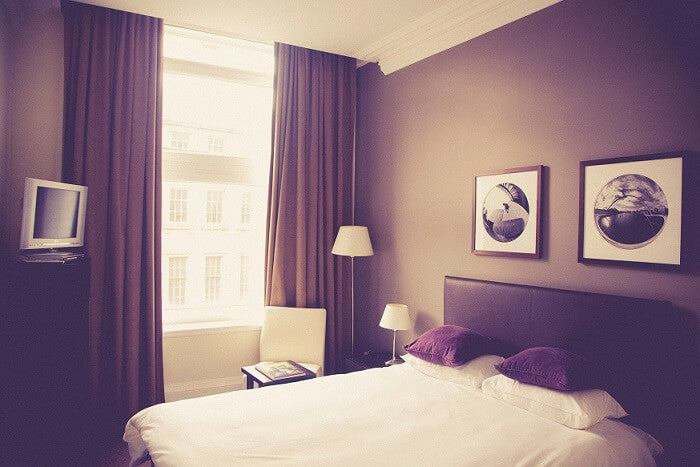
I woke up at 7:00 a.m. naturally, which hadn't happened since I moved to this neighborhood. My partner was still asleep. The room felt different. Calmer. Like someone had turned down the volume on the entire world.

What Living With Constant Noise Actually Does to You
Before that night, I'd been running on fumes for so long I'd stopped recognizing it as exhaustion.
I thought everyone woke up four or five times a night. I assumed the tightness in my shoulders was just how bodies felt after 30. I didn't connect my afternoon brain fog to the fact that I hadn't experienced deep sleep in months—maybe longer.
The noise wasn't always loud enough to fully wake me. That's what made it so insidious. Most nights, I'd surface just enough to register the sound—a car alarm, voices on the sidewalk, the rhythmic thud of a neighbor's subwoofer—and then drift back under. I'd wake up having technically slept seven hours but feeling like I'd been in a boxing ring.
Studies consistently show that even low-level nighttime noise fragments sleep architecture, preventing the body from cycling properly through the restorative stages of sleep. You might not remember waking, but your nervous system does. It stays partially activated, waiting for the next disruption.
I tried everything the internet suggested. Earplugs made me feel claustrophobic and gave me earaches. White noise apps just added another layer of sound—I felt like I was sleeping inside a wind tunnel. I moved my bed to the far wall, rearranged furniture, bought a fancy sleep mask thinking maybe if I couldn't see, I wouldn't hear. Nothing worked.
The Thing I Didn't Understand About Windows
Here's what nobody tells you: your windows are essentially speakers.
The glass vibrates. Sound waves hit it, and it transmits that energy directly into your room. Double-paned windows help, but they're not designed for urban noise levels. They're designed for moderate reduction—enough that you don't hear *every* conversation outside, but not enough to actually create the acoustic seal you need for undisturbed sleep.
I didn't know this. I assumed my windows were fine and the problem was me—that I was just a light sleeper, overly sensitive, unable to adapt to city life like everyone else apparently could.
Then a friend mentioned she'd put up "heavy curtains" and noticed a difference. Not blackout curtains—she already had those. Something thicker, specifically made for sound.
I'll be honest: I was skeptical. Curtains felt like such a passive solution. How could fabric do what earplugs and white noise machines couldn't?
The First Night of Quiet
I installed them on a Sunday afternoon. They were heavy—properly heavy, not just thick-fabric heavy. Triple-layered, with a dense middle section designed to absorb rather than just block. They covered the entire window frame, floor to ceiling, with enough width that they overlapped the wall on both sides.
The difference was immediate even before bed. The room just *felt* quieter. That ambient hum I'd gotten so used to—the city's constant low-frequency drone—had dropped to almost nothing. When a siren went by on the street, I heard it, but it sounded distant, muffled, like it was happening in a different building.
That night, I went to bed with the same low-level dread I always had. Waiting for the disruption. Knowing I'd wake up around 2:00 a.m., then again around 4:00, then drift in and out until my alarm.
And then I woke up, and it was morning.
I actually checked my phone to see if I'd slept through my alarm. I hadn't. It just hadn't gone off yet. I'd slept—actually slept—for six uninterrupted hours. My partner later told me I hadn't moved once, which was unheard of.
The second night, I slept seven hours. The third night, I hit REM sleep deep enough to dream vividly for the first time in months.
What Actually Makes Noise Cancelling Curtains Work
The term "noise cancelling" is a bit misleading—these curtains don't work like headphones with active sound cancellation technology. What they do is far more physical.
Effective sound-reducing curtains use mass and density to absorb sound waves before they can bounce around your room. The best ones have multiple layers: a face fabric, a dense core layer (often made from materials like mass-loaded vinyl or tightly woven acoustic fibers), and a backing. Together, these layers catch sound energy and convert it to tiny amounts of heat rather than letting it pass through.
The difference between these and regular curtains is substantial. Standard blackout curtains block light but do almost nothing for sound—they're typically just a single layer with a coating. Noise-cancelling curtains are engineered specifically for acoustic dampening.
They work best on high and mid-frequency sounds—voices, beeping, music, television noise from neighbors. Low-frequency rumbles like heavy trucks or bass are harder for any passive material to block completely, but the reduction is still significant enough to prevent them from waking you.
The installation matters too. I learned this part through trial and error. The curtains need to create a seal—they should extend several inches beyond the window frame on all sides, and the rod should be mounted close to the ceiling rather than just above the window. Any gaps let sound leak in.
What Changed Beyond Just Sleep
Better sleep didn't just mean I felt more rested. It changed how I moved through the day.
My focus came back. I could read for longer than 20 minutes without my mind wandering. I stopped needing a second coffee at 3:00 p.m. just to stay functional. The chronic low-level anxiety I'd been carrying—that feeling of being slightly on edge all the time—started to lift.
I didn't realize how much of my mental state had been shaped by simple, grinding exhaustion.
My relationship improved too. I wasn't irritable by default anymore. My partner and I could have conversations in the evening where I was actually present, not just counting down the hours until I could try (and fail) to sleep again.
The room itself became a refuge. Before, my bedroom was just the place I went to struggle with rest. Now it felt like an actual sanctuary—somewhere genuinely quiet and separate from the chaos outside.

What to Know If You're Considering This
If you're living with noise disruption night after night, here's what I wish someone had told me sooner:
Not all "soundproof" or "noise reducing" curtains are the same. Look for specific details about construction—multiple layers, acoustic backing, substantial weight. If the product description focuses only on blackout properties or aesthetics, it's probably not engineered for serious sound reduction.
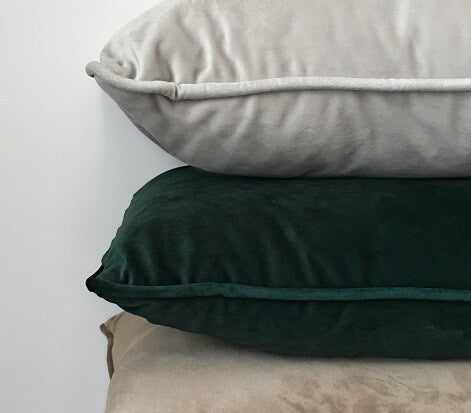
Thickness alone doesn't guarantee performance. I initially bought thick velvet curtains thinking that would help. They didn't. What matters is the density and composition of the material, not just how many inches of fabric you're hanging.
You'll likely need more coverage than you think. Measure beyond your window frame—ideally 6-8 inches on each side and extending from ceiling to floor. Sound finds gaps the same way light does.
Give it a few nights. The first night of better sleep is remarkable, but your body needs time to recalibrate. After years of fragmented sleep, it can take a week or two for your nervous system to fully trust that it's safe to stay in deeper sleep stages.
Frequently Asked Questions
Q: Do noise cancelling curtains completely eliminate street noise?
A: They significantly reduce noise rather than eliminate it entirely—you'll still hear very loud, sudden sounds like sirens close by, but they'll be muffled and much less likely to wake you. Most consistent urban noise (traffic, voices, music) drops to levels that won't disrupt sleep.
Q: Can I use noise cancelling curtains with blackout curtains?
A: Many noise-cancelling curtains are also designed with blackout properties, so you get both benefits in one. If yours aren't, you can layer them, but make sure the noise-cancelling layer is closest to the window for maximum sound absorption.
Q: How much sound reduction can curtains actually provide?
A: Quality acoustic curtains typically reduce noise by 10-20 decibels, which is substantial—a 10-decibel reduction makes sounds perceived as about half as loud. Combined with other factors like window type and room size, this is often enough to transform a disruptive sleep environment into a restful one.
Q: Will noise cancelling curtains help with low-frequency sounds like bass or traffic rumble?
A: They help, but low-frequency sounds are harder to block with any passive material. You'll notice more dramatic reduction with higher-frequency noises like voices, beeping, and music. For deep bass, the curtains will take the edge off but might not eliminate it completely.
If you're exhausted from fighting your environment every night, genuinely effective window treatments designed for sound reduction can transform not just your sleep, but everything that follows from it. Sandman's Shop's noise-cancelling curtain collection is designed specifically for people who need real acoustic performance, not just aesthetics—because quiet isn't a luxury, it's a prerequisite for rest.