


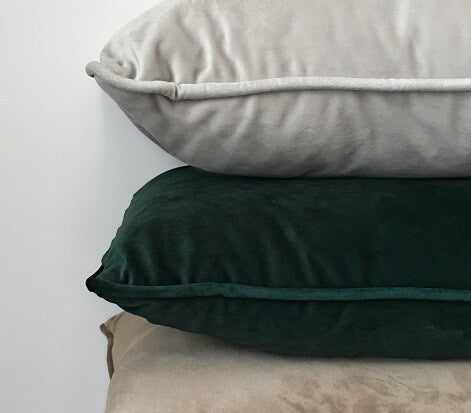


- Your neck's natural curve needs proper support during sleep to prevent pain and tension that disrupts rest.
- The right pillow height keeps your head aligned with your spine, preventing strain on muscles and joints.
- Combining correct pillow choice, sleeping position, and mattress support creates the foundation for pain-free, restorative sleep.
Waking up with a stiff, sore neck is a miserable way to start the day. You lie there wondering what you did wrong, when really it might be everything that happened while you were sleeping. Neck pain disrupts sleep, and poor sleep positioning creates neck pain, forming a frustrating cycle that leaves you exhausted and uncomfortable.
The good news? Your sleep setup can be fixed. Your neck has seven vertebrae stacked carefully on top of each other, creating a gentle curve that matches your spine's natural shape. When you sleep, your pillow and mattress need to support this curve. Get it wrong, and you're straining muscles and joints all night long. Get it right, and you wake refreshed without pain.
This guide walks you through how neck alignment works, why it matters for sleep quality, and exactly how to set up your sleep space so your neck stays happy and relaxed all night.

Understanding Neck Alignment During Sleep
Your cervical spine (the medical term for your neck's seven vertebrae) isn't straight. It has a natural forward curve called the cervical lordosis. This curve distributes weight evenly and keeps muscles relaxed. When you sleep, your pillow and mattress must maintain this curve, not flatten it or exaggerate it.
Here's why this matters: when your pillow is too high or too low, your neck bends at an uncomfortable angle. The muscles on one side stretch while muscles on the other side tighten. You might sleep for eight hours with your neck twisted slightly wrong, and those muscles will spasm and ache when you wake up. Over time, poor alignment leads to chronic neck pain that affects your sleep quality and daily life.
The cervical spine also connects to the rest of your spine and shoulders. Misalignment in your neck creates problems down the chain. Your upper back strains to compensate. Your shoulders tense up. You shift positions more during the night, getting fewer uninterrupted sleep cycles. Everything compounds.
Research into sleep ergonomics (the science of comfort and function) shows that maintaining proper spinal alignment throughout the night reduces muscle strain, decreases morning stiffness, and improves overall sleep quality. Your body spends six to eight hours in the same position, so those hours really count.
Deep Dive: Why Neck Alignment Affects Sleep Quality
Your neck doesn't work in isolation. It's connected to your nervous system, which heavily influences how well you sleep. When your neck muscles stay tense because of misalignment, your nervous system stays slightly activated. You might not fully relax into deeper sleep stages. Your body experiences low-level stress all night.
Additionally, poor neck alignment often leads to morning stiffness and pain that lasts throughout the day. This pain affects mood, focus, and stress levels. All of these factors make the next night's sleep harder. Pain interferes with sleep. Poor sleep makes pain worse. Breaking this cycle starts with proper support.
The cervical spine also houses the vertebral artery, which carries blood to your brain. Awkward neck positions can restrict blood flow slightly, leading to headaches, dizziness, or that groggy feeling that lingers after you wake up. Proper alignment allows blood to flow freely, supporting better oxygenation and more restorative sleep.
Different sleeping positions create different alignment challenges. Back sleepers need a pillow that supports the curve of their neck without pushing their head too far forward. Side sleepers need a taller pillow to fill the gap between their shoulder and ear. Stomach sleepers (the most problematic position for neck alignment) twist their head to the side constantly, straining the cervical spine all night.
The quality of your pillow material matters tremendously. Memory foam adapts to your specific neck shape, maintaining support throughout the night. Feather pillows collapse and offer no support. Latex pillows offer firm, consistent support but can feel less comfortable initially. The best pillow for you combines comfort with actual structural support.
Your mattress firmness also affects neck alignment. A mattress that's too soft doesn't support your shoulders properly, causing your neck to collapse forward. A mattress that's too firm doesn't cushion pressure points, forcing your neck into compensating positions. Medium-firm mattresses typically provide the best balance for maintaining spinal alignment from head to feet.

Practical Application: Setting Up Your Sleep for Neck Support
Getting proper neck alignment starts with choosing the right pillow. Here's how to find one that actually works:
Pillow Height Guide
Your pillow height should equal the distance from your shoulder to your ear when you're lying on your side. This ensures your head stays level with your spine. For most people, this means a pillow height between 4 and 6 inches. Test this by lying on your side and checking: your head should be straight (not tilted down or up), and your neck should feel relaxed, not stretched or compressed.
Back sleepers need slightly shorter pillows than side sleepers because they're not filling a shoulder gap. A back sleeper's ideal pillow height is usually 3 to 5 inches. You can test this by lying on your back and checking that you can fit one finger under your neck without forcing it. There should be gentle support, not space or pressure.
If you switch positions during the night (which most people do), choose a medium-height pillow around 5 inches. It works reasonably well for both back and side sleeping. Some people find stacking a thin pillow under a taller pillow helpful, allowing them to adjust support by lifting their head slightly when changing positions.
Material Considerations
Memory foam pillows are excellent for neck support because they conform to your unique shape while providing consistent support throughout the night. They don't flatten like feather pillows, and they don't feel as rigid as some latex options. Look for pillows with gel-infused memory foam if you sleep hot, since memory foam traps warmth.
Latex pillows offer firm, durable support and stay cool naturally. They're excellent for side sleepers who need robust support. The tradeoff is that latex pillows feel firmer initially and don't conform as quickly to your shape.
Hybrid pillows combine foam and latex layers, offering the conforming support of memory foam with the temperature regulation of latex. These work well if you're torn between materials.
Avoid down and feather pillows for neck support if you're experiencing pain. These pillows collapse under your head's weight, offering almost no structural support. They're comfortable for comfort-only pillows, but not for therapeutic support.
Mattress Support
Your pillow can only do so much if your mattress doesn't support your spine. A mattress that's too old might have softened unevenly, creating a valley that pulls your spine out of alignment from the neck down.
Medium-firm mattresses typically provide better support than very soft or very hard options. Side sleepers need slightly softer mattresses than back sleepers because their bodies need more pressure relief at the shoulder and hip. Back sleepers benefit from firmer support that doesn't let the pelvis sink too far.
Test a mattress for at least 15 minutes in your preferred sleeping position before buying. When you're lying down, have someone check that your spine looks straight from neck to tailbone. If your hips sag or your shoulders compress too much, the mattress is too soft. If you feel pressure on your back and neck, it's too hard.
Position Adjustments
Back sleeping with your head and neck properly supported is ideal for maintaining alignment. Place one pillow under your head for neck support and consider a thin pillow under your knees to support your lower back. This position distributes weight evenly across your spine.
Side sleeping is the second-best option if you choose the right pillow height. Place a pillow between your knees to keep your spine straight from neck to tailbone. Make sure your pillow supports your head fully; don't let your head rest partly on your shoulder.
Avoid stomach sleeping if possible. This position twists your neck severely and prevents you from maintaining spinal alignment. If you must sleep on your stomach, use the thinnest pillow possible and try to rotate your head only partially, rather than fully to one side.
If you often wake with neck pain from one specific side, you might be favoring that side during sleep. Try placing a pillow along your back to prevent rolling onto your uncomfortable side. This helps you maintain your preferred position.
Specific Scenarios and Sleep Situations
The Office Worker Scenario
If you spend 8 hours daily hunched over a desk, your neck carries tension into sleep. You might unconsciously tense neck muscles even while sleeping, making misalignment more painful. For you, a supportive memory foam pillow and a mattress that doesn't sag is essential. Combine this with stretching breaks during the workday and gentle neck stretches before bed. The right sleep setup helps undo damage from daytime posture.
The Side Sleeper with Shoulder Pain
If you sleep on your side and wake with shoulder or neck pain, your pillow is likely too low. Your head is tilting down toward your shoulder, creating an awkward angle. Try a taller pillow (5 to 6 inches) and check that your mattress isn't too soft. A soft mattress lets your shoulder sink too far, exaggerating the problem. A medium-firm mattress keeps your shoulder at the right height.
The Chronic Pain Sufferer
If you have existing neck problems, a cervical support pillow (shaped like a wave or rectangle with raised edges) can provide extra stability. These pillows cradle your neck and prevent it from shifting during sleep. They're especially helpful if you toss and turn frequently. Yes, they look medical, but they solve real problems.
The Partner with Different Needs
If you share a bed and have different pillow preferences, get two separate pillows. Your partner's pillow height might be wrong for your neck. Two people shouldn't compromise their spinal alignment just for convenience. Quality sleep is worth having different pillows.
The Traveler
Hotels often provide terrible pillows. Pack a small travel pillow or a compressed memory foam pillow in your suitcase. One night of poor neck support on a business trip won't destroy you, but a week of sleeping on bad pillows will. Your neck (and your work performance) will thank you.

Common Mistakes to Avoid
Too-High Pillows
Many people think more cushioning equals more comfort. A pillow that's too high (usually 6 inches or taller) pushes your head forward unnaturally, creating neck strain. Your chin touches your chest when lying on your back, which is definitely wrong. Test by lying down and checking your neck angle.
Too-Low Pillows
Sleeping with almost no pillow leaves your neck unsupported, especially for side sleepers. Your head tilts toward your shoulder, stretching muscles painfully. You might wake feeling like you slept on concrete.