

- Silk onesies combine the comfort of pajamas with the coziness of weighted blankets, offering better temperature regulation and skin-friendly benefits than traditional sleepwear.
- The soft fabric reduces friction on skin and hair, supports better sleep quality, and works well for people with sensitive skin or those seeking extra comfort during vulnerable sleep hours.
- They're legitimate comfort tools for adults—not childish—especially if you struggle with feeling cold, need gentle pressure for anxiety relief, or want to create a full-body cocoon feeling that improves your sleep sanctuary.
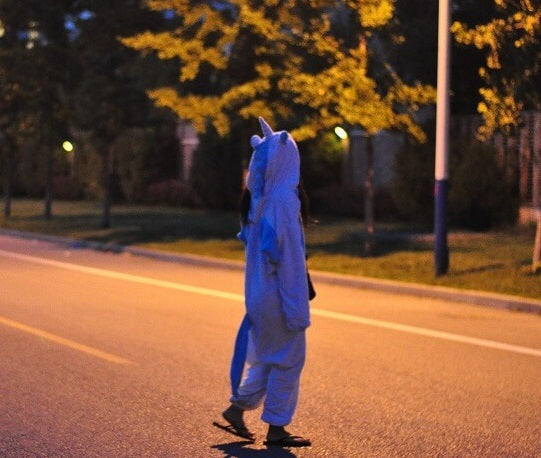
You've probably seen them scrolling through social media. Adults lounging in onesies. At first glance, it might seem silly—like grown-ups regressing to childhood comfort clothing. But here's what many sleep wellness experts understand: the best sleep solution is the one that actually makes you feel safe, secure, and comfortable enough to drift off without overthinking.
If you've ever wrapped yourself in a weighted blanket, curled up in an oversized hoodie, or felt instantly calmer when surrounded by soft fabric, you already know the power of comfort clothing. Silk onesies tap into this same principle. They're not about being cute or trendy (though they can be both). They're about creating a cocoon of comfort that signals to your brain that it's time to rest.
In this guide, we'll explore whether silk onesies deserve a place in your sleep sanctuary. We'll look at the sleep science behind why full-body comfort matters, the specific benefits of silk as a fabric choice, and how to decide if a onesie is right for your sleep needs.

What Are Silk Onesies and Why They Matter for Sleep
A silk onesie is essentially pajamas with legs and arms that cover your body completely—like a jumpsuit made from silk fabric. Unlike traditional pajamas where pieces can shift around or separate during sleep, a onesie stays in place. Your arms stay covered. Your legs stay covered. There's continuity and containment that many people find deeply comforting.
Silk is a natural protein fiber that sleeps cooler than cotton or polyester blends. It has natural temperature-regulating properties, meaning it adapts to your body heat rather than trapping warmth like synthetic fabrics do. This matters because sleep quality depends partly on your body's ability to reach and maintain an optimal sleeping temperature, usually between 60 and 67 degrees Fahrenheit.
What makes silk special for sleep specifically? It has a smooth surface that creates minimal friction. This reduces the tugging and pulling sensation that can happen with cotton pajamas, which have a slightly textured surface. Less friction means less irritation for people with sensitive skin, less breakage for people with delicate hair, and less of that restless shifting that happens when fabric bunches or wrinkles around your body.
The psychological component matters too. Wearing a onesie creates a sense of being held or contained without the weight of an actual weighted blanket. For people with anxiety, restlessness, or a tendency to feel vulnerable during sleep, this gentle full-body coverage can signal safety to your nervous system.
The Sleep Science Behind Full-Body Comfort
Your sleep quality is influenced by something called proprioception—your body's sense of where it is in space. When you feel pressure around your body, even gentle pressure, your nervous system registers this as grounding and stabilizing. It's the same principle behind weighted blankets, which have been studied for their calming effect on the nervous system.
A silk onesie doesn't provide heavy pressure, but it does provide constant, gentle contact. As you move during sleep, the fabric stays with you. This continuous, predictable sensation can reduce the micro-awakenings that happen when your brain registers a change in physical sensation (like a sheet slipping off or fabric bunching up).
Temperature regulation is another critical sleep factor. Your body naturally cools slightly as you fall asleep and during deep sleep. If your sleepwear is trapping heat, your body has to work against that cooling process, which can cause restlessness and frequent awakenings. Silk's natural breathability supports this natural cooling, which is why people often report sleeping more soundly in silk than in heavier fabrics.
There's also the texture element. Silk's smooth surface activates your sense of touch in a calming way. Studies on tactile comfort show that smooth, soft textures activate the parasympathetic nervous system—the part of your nervous system responsible for rest and relaxation. This is why people instinctively reach for soft blankets or stuffed animals when stressed. Silk amplifies this effect.
For people with sensitive skin conditions like eczema or dermatitis, silk's hypoallergenic properties matter for sleep quality. If you're itchy or irritated all night, you're not getting restorative sleep. Silk minimizes friction and doesn't harbor bacteria the way some cotton weaves can, making it genuinely better for compromised skin barriers.

Why Adults Are Choosing Silk Onesies: The Practical Benefits
Let's get specific about why adults—not just kids—are finding real value in this garment.
Temperature Control Without Overheating
If you're someone who feels cold easily but also tends to overheat when you're under a weighted blanket or heavy comforter, a silk onesie solves this puzzle. It provides coverage and that sense of containment without the heat burden. You get the psychological comfort of being fully covered while maintaining good temperature regulation. This is especially valuable for women going through hormonal changes, people with night sweats, or anyone who has struggled to find sleepwear that doesn't feel like choosing between being cold or overheating.
Skin and Hair Benefits
Cotton pajamas have a texture that creates friction as you toss and turn. Over weeks and months, this friction contributes to sleep creases on your face, tangles in your hair, and general irritation. Silk's smooth surface minimizes all of this. If you've invested in better skin and hair care, wearing silk to bed protects that investment. You wake up without sleep creases, and your hair maintains its moisture and curl pattern better. These aren't just beauty benefits—they're signs that silk is reducing friction-based stress on your body.
The Anxiety and Security Factor
Many adults report that wearing a onesie creates an immediate sense of calm. There's something about being fully enclosed in soft fabric that reduces racing thoughts and physical restlessness. If you live with anxiety or you find yourself unable to settle down at bedtime, the gentle pressure and coverage of a onesie can be surprisingly effective. It's not a treatment for anxiety disorders, but it's a tool that supports your body's ability to relax.
Easy on and Off
Unlike traditional pajamas where you have to coordinate and adjust multiple pieces, a onesie is one simple garment. For people with limited mobility, chronic pain, or conditions that make dressing difficult, this simplicity is genuinely helpful. You don't have to fidget with separate pieces or worry about gaps between your shirt and pants.
All-Day Comfort
Here's something people don't always acknowledge: some adults like to wear pajamas or cozy clothing all day, especially if they work from home. A silk onesie is socially acceptable loungewear, unlike, say, fleece pajama bottoms. You can wear it while working, relaxing, or running quick errands. This means you get consistent comfort and support for your nervous system throughout the day, not just at night.

Addressing the "Childish" Concern Head-On
Let's talk about this directly. Onesies are associated with childhood and childhood comfort. For some adults, that's actually the appeal—they give you permission to access the safety and coziness you felt as a kid. There's nothing wrong with that. Sleep is where vulnerability is appropriate.
But here's the reality: onesies come in adult designs, sophisticated colors, and high-quality materials that are nothing like children's clothing. A brushed silk onesie in charcoal gray or cream is an adult garment. It's no more "childish" than wearing sweatpants, an oversized hoodie, or a robe—all of which are widely accepted as legitimate adult comfort clothing.
The judgment around onesies often comes from rigid ideas about how adults "should" look. But sleep clothing isn't about how you look to others. It's about how you feel. If a onesie helps you feel secure enough to sleep better, then it's serving its purpose. And better sleep affects everything—your mood, your immune system, your productivity, your relationships.
How to Choose and Use a Silk Onesie for Sleep
If you're considering a silk onesie, here's what matters in the selection process.
Silk Quality Matters
Not all silk is created equal. Look for mulberry silk, which is the highest quality. It has a smoother surface, better durability, and superior temperature regulation compared to other silk types. The fabric weight should feel substantial but not heavy—usually between 16-22 momme (the unit used to measure silk weight). This weight range provides good coverage and durability without feeling restrictive or too warm.
Check the percentage: aim for 100 percent silk or at minimum 95 percent silk. Blends with polyester or cotton diminish the benefits you're seeking.
Size and Fit
Unlike regular pajamas, a onesie needs to fit you well because you can't adjust separate pieces. It should be snug enough that it doesn't bunch up around your middle, but loose enough that you can move freely and it doesn't feel restrictive. Most people prefer to size up slightly from their regular clothing size to ensure comfort and room for movement.
The inseam is important too. You want the legs long enough that the fabric doesn't ride up when you lie down, but not so long that you're stepping on the fabric. Some people prefer footless onesies, while others like the full foot coverage. This is personal preference.
Color Selection
From a sleep perspective, darker colors like charcoal, navy, or deep plum are ideal. They don't activate your visual cortex the way lighter colors do, which supports your body's transition into sleep mode. That said, if a softer color makes you feel calmer, that psychological benefit matters too. Consider what color your sleep sanctuary needs. If your bedroom is already calming, choose what makes you happy. If your bedroom needs help feeling restful, choose a darker shade.
Care and Maintenance
Silk requires gentle care to maintain its benefits. Hand wash in cool water with a silk-specific detergent, or use your washing machine's delicate cycle in a mesh bag. Avoid hot water, which damages silk fibers. Air dry away from direct sunlight. This might feel like extra work, but silk lasts longer than cotton when cared for properly, making it a worthwhile investment.
Real Sleep Scenarios: When a Silk Onesie Helps
The Cold Sleeper
You're someone who feels cold easily but overheats under weighted blankets or heavy comforters. A silk onesie gives you the comfort of full coverage while staying breathable. You can sleep under a lightweight blanket without the anxiety of being exposed, and you won't wake up sweating.
The Sensitive Skin Person
You have eczema, psoriasis, or sensitive skin that gets irritated by rough fabrics. Cotton makes it worse. Silk's smooth surface and hypoallergenic properties mean you wake up less irritated, you're not scratching in your sleep, and your skin barrier actually improves because you're getting better sleep and less friction.
The Anxious Sleeper
Racing thoughts keep you awake. Your body feels restless. The gentle pressure and full-body coverage of a silk onesie gives your nervous system something calm to focus on. Instead of worrying about what your body is doing, you feel held and safe.
The Shift Worker
You sleep at odd hours in different environments. You need something that signals to your body that it's sleep time, regardless of external light. A silk onesie becomes your sleep ritual marker—putting it on signals that now is sleep time, and it creates consistency even when your schedule isn't consistent.
The High-Touch Professional
You work in an environment where you need to look polished, but you want the comfort of loungewear when you're home. A sophisticated silk onesie in a neutral color lets you work from home comfortably while still feeling put-together for video calls. This extended comfort supports your overall well-being.

Making Your Decision: Is a Silk Onesie Right for You?
Consider a silk onesie if you:
• Feel cold easily or struggle with blankets shifting during sleep
• Have sensitive skin that's irritated by textured fabrics
• Experience anxiety or restlessness at bedtime and benefit from gentle pressure or security
• Want to improve your sleep environment with clothing that supports rather than fights against your body's temperature regulation
• Appreciate the simplicity of one garment rather than coordinating pajama pieces
Skip the onesie if you:
• Sleep very hot and struggle with any full-body coverage
• Prefer complete freedom of movement and find any tight clothing restrictive
• Have mobility challenges where a one-piece garment is harder to manage than separate pieces
• Live in a very warm climate where minimal clothing is necessary for sleep
The honest truth? A silk onesie is an investment. A quality one costs between 100 and 300 dollars. Before making that commitment, you might test whether the concept works for you by wearing an oversized silk robe or even a cotton onesie for a week. Notice how you sleep, how your skin responds, and whether the full-body coverage genuinely helps you feel calmer.
Conclusion: Comfort Is Not Childish
A silk onesie isn't a trend you need to follow. It's a tool you can use if it serves your sleep. The adults who wear them aren't regressing. They're being intentional about creating conditions where their bodies can rest better.
Better sleep comes from many sources: a cool, dark bedroom, a consistent bedtime routine, limiting screen time, and yes, sometimes from wearing clothing that makes you feel secure and comfortable. If a silk onesie is part of what helps you sleep better, that's legitimate. Your sleep matters. Your comfort matters. The way you feel in your bed matters.
If you decide to try one, choose quality silk, take care of it properly, and give yourself a full week to notice the difference. Pay attention to how you sleep, how your skin feels, and whether you feel calmer at bedtime. That data from your own body is more valuable than any trend or judgment.
Sleep well, whatever you're wearing.