


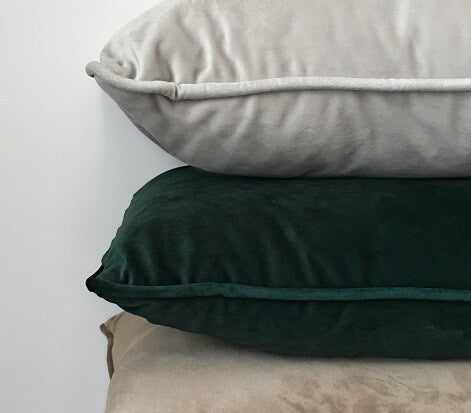


How Shaped Pillows Support Your Body (and Your Bedroom's Style)
You've woken up with a stiff neck one too many times. Or maybe you're pregnant and can't find a comfortable position anymore. Perhaps your lower back aches by evening, and you need support while reading in bed. Whatever brought you here, you're looking for something that actually *works*—but you don't want your bedroom looking like a physical therapy clinic.
Here's the good news: shaped pillows have evolved far beyond those foam wedges wrapped in hospital-white cases. Today's therapeutic pillows merge genuine ergonomic benefits with designs that fit beautifully into real bedrooms—including that boho aesthetic you've carefully cultivated with macramé wall hangings and textured throws.
Let's explore how these pillows actually support your body, which shapes work for different sleep issues, and how to choose options that deliver comfort without compromising your space's vibe.
What Makes a Pillow "Shaped" (and Why It Matters)
Unlike traditional rectangular bed pillows that offer uniform support, shaped pillows are contoured to match specific body curves or sleep needs. The shape itself is the therapy—it positions your body in ways that reduce pressure points, maintain spinal alignment, and support areas prone to pain.
Common therapeutic shapes include:
Cervical (contour) pillows with a curved dip in the center and raised edges that cradle your neck's natural curve
Wedge pillows that elevate your upper body at an angle, helpful for acid reflux, snoring, or respiratory issues
Lumbar pillows designed to support the lower back's inward curve while sitting or lying down
Body pillows in U-shapes, C-shapes, or straight lengths that provide full-body support, especially during pregnancy
Knee pillows that fit between or under your knees to align your hips and reduce lower back strain
The shape matters because your body isn't flat. Your spine has curves. Your neck needs support at a specific angle. Your hips need alignment when you sleep on your side. Generic pillows can't address these biomechanical realities—shaped pillows can.

The Real Therapeutic Benefits (Backed by How Your Body Actually Works)
For Neck Pain and Headaches
Your neck has a natural C-shaped curve called cervical lordosis. When you sleep on a pillow that's too flat or too high, this curve flattens or overextends, straining muscles and compressing nerves. Over time, this contributes to tension headaches and chronic neck pain.
Cervical pillows maintain that natural curve while you sleep. The contoured design keeps your head, neck, and spine in neutral alignment—the same position spine specialists recommend when you're standing. For side sleepers, the higher edge fills the gap between your shoulder and head. For back sleepers, the lower center cradle supports your neck without pushing your head too far forward.
This isn't just comfort—it's allowing your neck muscles to actually relax instead of working all night to compensate for poor positioning.
For Pregnancy Discomfort
Pregnancy changes your body's center of gravity and adds pressure to your lower back, hips, and pelvis. By the second trimester, stomach sleeping becomes impossible, and back sleeping isn't recommended due to pressure on the vena cava (the major vein returning blood to your heart).
That leaves side sleeping—specifically the left side—as the recommended position. But sleeping on your side without support creates a gap under your belly and between your knees, pulling your spine out of alignment.
Full-body pregnancy pillows (especially C-shaped and U-shaped designs) support your belly, cushion between your knees, and provide something to hug that relieves shoulder pressure. The continuous support keeps your spine aligned and reduces the tossing and turning that disrupts sleep when you're already dealing with frequent bathroom trips and discomfort.
For Lower Back Pain
Whether you're dealing with chronic back issues or just end-of-day achiness, lumbar pillows help maintain your lower back's natural curve. This is crucial both in bed and while sitting.
For back sleepers, a small lumbar pillow or knee pillow prevents your lower back from flattening against the mattress. For side sleepers, a pillow between your knees keeps your hips stacked and prevents the top leg from pulling your spine out of alignment.
These small adjustments reduce the load on your lumbar discs and surrounding muscles, letting them recover instead of straining throughout the night.
For Breathing Issues and Reflux
Wedge pillows elevate your upper body at a gentle incline (typically 30-45 degrees). This position uses gravity to keep stomach acid down, reducing nighttime reflux symptoms. It also opens airways, which can reduce snoring and help with conditions like sleep apnea or congestion.
The gradual slope distributes your body weight more evenly than stacking regular pillows, which tend to bend you awkwardly at the waist.
Matching Pillow Shape to Your Sleep Position
The most important factor in choosing a shaped pillow isn't the one causing you pain—it's how you actually sleep.
Side Sleepers (Most Common)
You need substantial support to fill the gap between your mattress and head. Look for:
- Cervical pillows with a high edge (4-6 inches)
- Body pillows you can hug to prevent shoulder roll-forward
- Knee pillows to keep hips aligned
Side sleeping is already the best position for spinal alignment, but only if properly supported. Without adequate pillow height, your head tilts down, straining your neck. Without knee support, your top leg pulls your pelvis out of alignment.
Back Sleepers
You need moderate support that maintains your neck curve without pushing your head forward. Look for:
- Cervical pillows with a lower center (3-4 inches)
- Knee pillows or small lumbar supports to maintain lower back curve
- Wedge pillows if you have reflux or breathing issues
Back sleeping can be excellent for spinal alignment—if your pillow isn't too thick. Many back sleepers use pillows meant for side sleepers and end up with their chin tilted toward their chest all night.
Stomach Sleepers (Trying to Transition)
Stomach sleeping is tough on your neck and lower back because it requires turning your head to one side and can hyperextend your lower spine. Most sleep specialists recommend transitioning away from it.
If you're working on that transition:
- Use a very thin pillow or none at all under your head
- Place a flat pillow under your pelvis to prevent lower back strain
- Try a body pillow to simulate the "hug" feeling that many stomach sleepers crave
Combination Sleepers
If you shift positions throughout the night, you need versatile support:
- Medium-height contour pillows that work reasonably well for both side and back
- Adjustable pillows with removable layers
- Body pillows that provide something to lean against in multiple positions

Choosing Therapeutic Pillows That Actually Look Good
Here's where we address the elephant in the bedroom: most ergonomic pillows look aggressively medical. That sterile aesthetic doesn't exactly complement your woven wall hanging and vintage Turkish rug.
Material Matters for Both Support and Style
Memory foam offers excellent contouring and holds therapeutic shapes well, but basic memory foam pillows often come in clinical white or gray. Look for options with removable covers that you can replace with fabric that matches your bedroom's palette—think natural linens, textured cotton, or even velvet for a boho-luxe feel.
Latex provides responsive support (it bounces back rather than slowly contouring) and tends to sleep cooler. It's naturally antimicrobial and fits well with an eco-conscious aesthetic. Pair it with organic cotton covers in earthy tones.
Buckwheat hulls in shaped pillow shells offer adjustable, firm support with an authentically natural, minimalist look. The traditional Japanese style actually complements bohemian and minimalist decor beautifully. They're also adjustable—remove or add hulls to change the height.
Kapok or wool in contoured designs provide softer, more traditional comfort with therapeutic shaping. These natural materials suit cottagecore and boho aesthetics particularly well.
Cover Choices That Bridge Function and Style
Even if the pillow core is clinical-looking foam, the cover determines what you actually see. Look for:
Removable, washable covers so you can maintain the pillow's hygiene without compromising its shape
Natural fabrics like cotton, linen, or bamboo that breathe well and suit warm, organic design aesthetics
Textured weaves that add visual interest—waffle knits, slubby linens, or even macramé-trimmed cases
Warm, neutral colors that work with boho palettes—terracotta, ochre, sage, cream, warm grays
Many companies now offer their therapeutic pillows with cover options specifically designed to not look medical. Don't settle for the default white polyester if a natural linen option exists.
Strategic Placement in Your Sleep Space
You don't need to display every therapeutic pillow prominently. Consider:
Knee and lumbar pillows can live under your bedding during the day—they only need to appear at night
Wedge pillows can serve as backrest cushions for reading in bed, styled with decorative pillows in front
Body pillows can be positioned along the back of your bed as an intentional design element, dressed in covers that coordinate with your duvet
Cervical pillows are functional, not decorative, so layer a decorative sham over your regular pillow during the day if you're someone who makes the bed
Your sleep setup doesn't need to be Instagram-ready 24/7. It needs to support your body at night. But with thoughtful cover choices and strategic styling, therapeutic pillows can integrate into—rather than clash with—your bedroom's aesthetic.
What to Actually Look for When Shopping
The Support Level Match Your Body's Needs
Consider:
- Your weight and frame size (larger bodies need firmer support)
- Your mattress firmness (soft mattresses require less pillow height; firm mattresses need more)
- Your specific pain points (acute neck pain may need firmer support than prevention-focused comfort)
The Fill Material Aligns With Your Sleep Style
- Hot sleepers: Avoid solid memory foam; choose gel-infused foam, latex, or buckwheat
- Allergy-prone: Select hypoallergenic latex, synthetic fills, or washable natural materials
- Eco-conscious: Prioritize organic latex, kapok, wool, or sustainably sourced materials
- Budget-focused: Memory foam offers good value; buckwheat is affordable and long-lasting
The Shape Actually Addresses Your Issue
Don't buy a cervical pillow for lower back pain or a wedge for neck support. Match the tool to the problem:
- Neck and headache issues → cervical/contour pillows
- Lower back pain → lumbar supports and knee pillows
- Pregnancy → full-body U or C-shaped pillows
- Reflux or breathing → wedge pillows
- General comfort upgrade → body pillows or adjustable options
The Trial Period and Return Policy Are Generous
Your body needs time to adjust to proper support, especially if you've been sleeping with poor alignment for years. Look for companies offering at least a 30-day trial. Some therapeutic pillows feel strange initially because they're correcting long-standing misalignment—give your body a couple of weeks to adapt before deciding.
Frequently Asked Questions
Q: Will a therapeutic pillow make my neck pain worse at first?
A: Sometimes, yes—especially if your body has adapted to poor alignment over years. When a contour pillow positions your neck correctly, muscles that have been compensating might protest for a few nights as they relearn their proper resting position. Give it 5-7 nights unless you experience sharp pain, which signals the pillow isn't right for your body. Gradual adjustment is normal; acute pain is not.
Q: Can I use a shaped pillow if I move around a lot at night?
A: It depends on the shape. Cervical pillows work well for combination side-and-back sleepers but not for stomach sleeping. Full-body pillows can actually reduce nighttime movement by providing comfortable support in multiple positions. If you're a restless sleeper, avoid highly specialized shapes and choose more versatile options like adjustable-height pillows or medium-contour designs.
Q: How often should therapeutic pillows be replaced?
A: Memory foam shaped pillows typically last 2-3 years, latex 3-4 years, and buckwheat hulls can last 5+ years with proper care (and you can replace just the hulls). Replace your pillow when it no longer returns to its original shape, when you notice increased neck or back discomfort, or when it develops permanent compression spots. The therapeutic benefit depends on the pillow maintaining its structure.
Q: Do I need to replace all my pillows with shaped ones?
A: Not necessarily. Many people use a therapeutic pillow as their main sleep pillow and keep standard decorative pillows for styling or reading. Others use shaped pillows strategically—like a knee pillow just for side sleeping, while using a regular pillow for their head. Start with the pillow that addresses your primary discomfort, then add others if needed.
If you're ready to explore shaped pillows that actually support your body—without sacrificing the warm, intentional aesthetic you've created in your bedroom—our collection features options in natural materials, removable covers, and designs that bridge therapeutic function with genuine comfort.