
How to Tell Whether an Online Onesie Store Is Worth Your Time — Before You Browse a Single Product
You're searching for a onesie — maybe to help you stay warm without cranking the heat at night, maybe for a weekend lounging ritual that signals your body it's time to decompress. But within thirty seconds of searching "onesie store," you're drowning in options that all look vaguely the same: cute animal designs, cozy promises, prices ranging from suspiciously cheap to genuinely confusing.
Here's the problem: the onesie market online is a minefield of quality variance. The same search returns genuine sleepwear made from breathable, warm fabrics that will last years and flimsy costume-grade polyester that will pill after three washes. Many stores are dropshipping operations with no actual product knowledge. Others are genuine specialists who understand fabric weight, thermal regulation, and what makes a onesie something you'll reach for every cold evening rather than shove to the back of the drawer.
This guide helps you evaluate an online onesie store before you waste time browsing — so you can identify the retailers who know what they're selling, and skip the ones who are just reselling cheap imports with cute photos.

What Range Depth Reveals About a Store's Expertise
The first signal of a credible onesie store isn't how many products they list — it's how they organize and describe them.
Specialist Stores vs. Dropship Catalogs
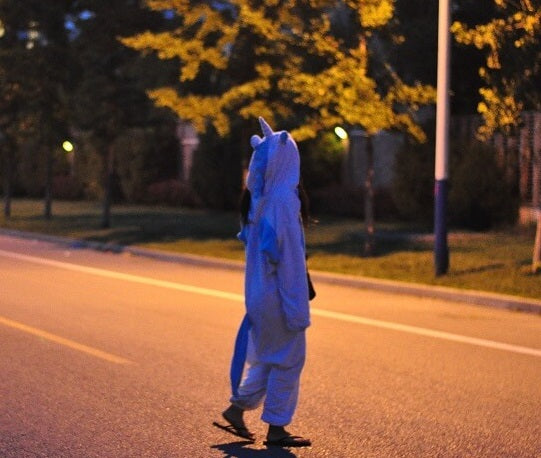
A dropship catalog will show you 200 onesie designs with minimal differentiation: "Soft Unicorn Onesie," "Cozy Dinosaur Onesie," "Fluffy Panda Onesie." Every description reads the same. Sizing is vague. Fabric content is buried or absent.
A specialist store groups onesies by intended use and fabric type: heavyweight fleece for genuine warmth, midweight cotton blends for year-round comfort, lighter materials for layering or mild climates. They'll distinguish between novelty costume onesies (fun for a party, not durable for weekly wear) and actual sleepwear onesies designed for repeated washing and long-term comfort.
What to look for:
- Clear fabric composition listings (percentages of cotton, polyester, fleece type)
- Specific weight descriptions (GSM or "heavyweight," "midweight" with context)
- Guidance on which styles suit which purposes (lounging, sleeping, cold tolerance)
- Honest differentiation between novelty and sleepwear quality
If every onesie is described as "super soft" and "perfect for lounging" with no further detail, you're looking at a store that doesn't actually know — or care about — what they're selling.
Fabric Descriptions: What to Trust, What to Question
Onesies live or die by their fabric. The wrong material will leave you overheated and sweaty at night, or shivering despite the layers. Here's how to decode what stores are actually promising.
Red Flags in Fabric Language
"Soft fleece material" — Fleece varies wildly. Coral fleece, polar fleece, and micro-fleece have completely different warmth levels, breathability, and durability. If a store won't specify the fleece type, they likely don't know themselves.
"High-quality polyester" — Polyester isn't inherently bad for sleepwear, but cheap polyester traps heat and moisture, making you clammy. Quality matters enormously. Look for stores that specify brushed polyester, moisture-wicking polyester blends, or polyester fleece weight. Vague "polyester" descriptions usually mean the cheapest option available.
"Feels like cotton" — This phrase appears when something is definitely not cotton. If it were cotton or a cotton blend, they'd say so.
Green Flags in Fabric Descriptions
- Specific fleece weights (e.g., "280 GSM polar fleece" or "midweight coral fleece")
- Blend percentages (e.g., "80% cotton, 20% polyester" or "100% polyester micro-fleece")
- Functional descriptions ("breathable for temperature regulation," "moisture-wicking," "pill-resistant")
- Care honesty ("will shed slightly in first wash," "line dry to maintain stretch")
Stores that understand sleepwear know that fabric choice affects your body temperature overnight. They'll guide you toward materials that keep you warm without causing night sweats — a balance that cheap polyester rarely achieves.
Return Policies: What They Reveal About Product Confidence
A store's return policy tells you everything about whether they stand behind their quality claims.
The Confidence Test
Generous returns (30+ days, easy process, free return shipping) signal a store that believes their onesies will satisfy customers. They're not worried about mass returns because their product quality matches their descriptions.
Restrictive returns (14 days, original packaging required, customer pays return shipping, restocking fees) suggest a business model built on impulse purchases they don't expect people to love. They're banking on you keeping a mediocre product because returning it is too much hassle.
"Final sale" or "No returns on sleepwear" for onesies is a major red flag unless it's clearly a hygiene policy applied after the item has been worn. Reputable sleepwear retailers allow returns of unworn, unwashed items because they know sizing and comfort are hard to judge online.
What to Check
- Return window length
- Who pays return shipping
- Whether tags must be attached (reasonable) vs. original packaging required (excessive)
- Whether reviews mention smooth return experiences or frustrating processes
If a store makes it difficult to return a onesie that doesn't fit or meet expectations, they're not confident you'll be happy with what arrives.

Sizing Guidance: Vague vs. Genuinely Useful
Onesies are particularly prone to sizing disasters. They're meant to be roomy for comfort, but too roomy and you're tripping over fabric; too fitted and the whole point disappears.
What Good Sizing Information Looks Like
- Actual measurements (not just S/M/L, but chest width, total length, inseam)
- Fit guidance ("designed for relaxed fit with 4-6 inches extra room" or "runs large — size down for less bulk")
- Height recommendations ("best for people 5'4"-5'8"" for a medium)
- Photos showing the fit on different body types, not just one model
Stores that specialize in onesies know that a 5'2" person and a 6'1" person need completely different sizing — not just different letters, but different proportions. Look for stores that acknowledge this openly rather than pretending one size range fits all.
Photography and Styling: Lifestyle vs. Reality
Cute photos sell onesies. But what you actually need to see is how the fabric hangs, how the seams are finished, and whether the hood keeps its shape after washing.
What Helpful Product Photos Show
- Close-ups of fabric texture (so you can see fleece pile, weave density, or thickness)
- Detail shots of zippers, snaps, or closures (quality hardware lasts; cheap zippers fail)
- Multiple angles including back and side views
- The onesie worn by different body types, not heavily styled
- Honest depiction of color (not overly filtered or photoshopped)
If every photo is a heavily styled lifestyle shot with perfect lighting and no fabric detail visible, the store is selling a vibe, not a product. You need both.
Customer Reviews: How to Read Between the Lines
Star ratings matter less than what people are actually saying.
Green Flag Review Patterns
- Specific fabric feedback ("washes well," "no pilling after six months," "just warm enough without overheating")
- Honest sizing guidance ("I'm 5'9" and the large was perfect")
- Comments about durability over time
- Photos from actual customers showing the onesie after washing
Red Flag Review Patterns
- Vague praise only ("so cute!" "love it!" with no detail)
- Complaints about fabric quality ("thinner than expected," "cheap material," "fell apart after one wash")
- Sizing chaos (half say it runs large, half say it runs small — suggests inconsistent manufacturing)
- Many reviews mention difficult returns or poor customer service
A store with 500 five-star reviews that all say "amazing!" and nothing else likely has fake or incentivized reviews. A store with 200 reviews averaging 4.3 stars, with detailed feedback about fabric, fit, and durability, is far more trustworthy.
Price Points: What's Reasonable for a Quality Onesie
Onesies range from $15 to $150 online. Here's what those price points generally mean.
Under $25: Almost certainly thin polyester, novelty quality. Fine for a one-time costume or party, not for repeated wear or actual warmth. Expect pilling, fading, and zipper failures within a few washes.
$30-$60: The sweet spot for decent sleepwear-quality onesies. You should get proper fleece weight, reinforced seams, and functional zippers at this price. This is where most people should shop for a onesie they'll actually wear regularly.
$70-$100+: Premium fabrics (organic cotton, heavy polar fleece, specialty blends), designer details, or brand reputation. Worth it if you're particular about fabric feel and durability, but not necessary for most buyers.
If a store's entire range is under $20, they're competing on price alone — which usually means competing on corners cut. If everything is over $100, you're paying for branding more than quality (though not always).

Frequently Asked Questions
Q: Can you sleep in a onesie, or is it just for lounging?
A: Many people sleep comfortably in onesies, especially in cold bedrooms where they help maintain warmth without heavy blankets. The key is choosing breathable fabric — midweight fleece or cotton blends work well for sleep, while heavy polar fleece may cause overheating. Look for onesies described as sleepwear rather than costume-grade novelty items.
Q: How do I know if a onesie store is a legitimate business or a dropshipper?
A: Check if they provide detailed fabric information, specific sizing measurements, and clear brand or manufacturer details. Dropshippers typically use vague descriptions, stock photos, and have dozens or hundreds of styles with minimal differentiation. Legitimate retailers will have clear contact information, real customer service, and often blog content or buying guides showing actual product knowledge.
Q: What's the difference between a kigurumi and a regular onesie?
A: Kigurumi are Japanese-style animal onesies, typically with character hoods and costumey details. They're often made from lighter fleece and designed more for fun than serious warmth. Regular onesies (sometimes called jumpsuits or all-in-ones) come in both novelty and sleepwear styles, with sleepwear versions prioritizing comfort, fabric quality, and durability over cuteness. Both can be good — just know which you're buying and what it's designed for.
At Sandman's Shop, our onesie collection focuses on sleepwear-quality comfort — the kind you'll reach for every chilly evening because they actually keep you warm without overheating. We list fabric weights, provide real measurements, and only stock onesies we'd wear ourselves.