How the Adult Onesie Became Serious Sleepwear — And Why That Matters for Your Rest
The adult onesie occupies a strange place in our collective wardrobe consciousness. Ten years ago, you'd have been forgiven for thinking it was purely a stag party costume or an ironic Christmas gift. Today, you'll find versions from Target, luxury loungewear brands, and everything in between — with people wearing them unironically to bed, through lazy Sundays, and on work-from-home video calls (camera off, obviously).
This isn't just a quirky fashion footnote. The adult onesie's journey from novelty item to genuine comfort staple tells us something important about how we've redefined rest, comfort, and what we're willing to wear when nobody's watching. And for anyone searching for better sleep through improved comfort, that cultural shift matters more than you might think.

The Unexpected Origins: When Adults Started Wearing Baby Clothes
The modern adult onesie doesn't have a single inventor, but it does have a clear lineage. The garment itself borrows from several traditions: the infant onesie (trademarked by Gerber in the 1980s), the union suit (one-piece underwear worn by workers and soldiers since the 1800s), and Japanese kigurumi (character costumes originally designed for performers).
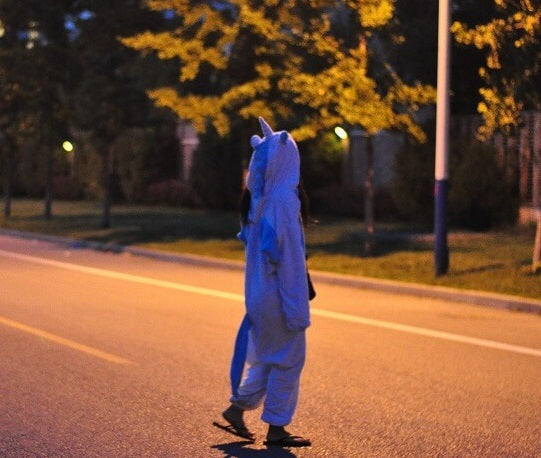
The tipping point came in the mid-2000s when Japanese street fashion — particularly the "kawaii" (cute) aesthetic — began influencing Western markets. Kigurumi-style animal onesies started appearing in novelty shops around 2008-2010, marketed primarily as costumes or joke gifts. They were soft, they were ridiculous, and crucially, they were really comfortable.
But something unexpected happened: people kept wearing them after the party ended.
The Shift: From Ironic Joke to Unironic Comfort
Several cultural forces converged in the 2010s that made the adult onesie more than a gag:
The hygge movement arrived from Scandinavia around 2016, legitimizing the concept of intentional coziness. Suddenly, there was vocabulary for what people were already craving — permission to prioritize comfort and warmth without apology.
Social media normalized "cozy content." Instagram and Pinterest filled with carefully styled images of people in plush loungewear with tea, books, and soft lighting. The onesie fit perfectly into this aesthetic — it was maximalist comfort in a single garment.
Work-from-home culture accelerated dramatically in 2020, but it had been building for years before. The boundaries between sleepwear, loungewear, and "technically I'm working" clothes became increasingly blurred. A onesie straddled all three categories comfortably.
Athleisure proved that comfort could be acceptable in public. If people could wear yoga pants to the grocery store, why not extend that comfort revolution to home? The onesie became loungewear's fullest expression — unapologetic, all-encompassing comfort.
What Changed in Manufacturing: Taking Adult Onesies Seriously
Once manufacturers recognized this wasn't a flash-in-the-pan novelty market, the product category evolved significantly. Early adult onesies were essentially children's designs scaled up, often with poor fit, cheap fabrics, and limited size ranges.
The current generation of adult onesies reflects actual garment design thinking:
Fabric technology improved. Today's onesies use moisture-wicking blends, breathable fleece, and temperature-regulating materials rather than just cheap polyester. Some premium versions incorporate bamboo, modal, or merino wool blends — fabrics chosen specifically for sleep comfort.
Fit became intentional. Modern adult onesies account for different body types and proportions. They're designed with proper inseam length, shoulder width variation, and consideration for how fabric drapes on adult bodies rather than toddlers.
Functional features appeared. Adult users needed zippers that didn't require contortion, rear trap doors for bathroom access (a feature borrowed from union suits), and pockets. These weren't costume pieces anymore — they were functional garments people wore for hours at a time.
The design spectrum broadened. You can now choose between novelty animal designs, minimalist solid colors, subtle patterns, and everything between. The market acknowledges that some people want whimsy while others just want the comfort without the costume element.

Why the Adult Onesie Actually Works for Sleep
The staying power of adult onesies isn't just about cultural acceptance — there are genuine comfort benefits that matter for sleep quality:
Consistent warmth distribution. Unlike separates that can bunch, ride up, or create gaps, a onesie maintains even coverage. For people who struggle with temperature regulation at night or live in cold climates, this eliminates the common sleep disruption of waking up cold because your shirt shifted.
No constricting waistbands. Elastic waistbands on traditional pajama bottoms can dig in, restrict circulation, or feel uncomfortable depending on sleep position. A onesie distributes closure across the entire garment, typically with gentler pressure points.
Sensory consistency. For people with sensory sensitivities or anxiety, the consistent light pressure and fabric contact of a onesie can feel grounding — similar to the principle behind weighted blankets, though much lighter in effect.
One less decision. In an era where decision fatigue is real, a onesie simplifies the "what should I wear to bed" question entirely. It's a single garment that handles the entire task.
The catch, of course, is that onesies don't work well for everyone. Hot sleepers may find them too warm even in lightweight fabrics. People who need easy nighttime clothing removal (for bathroom trips, night sweats, or medical reasons) may find the single-garment design frustrating rather than convenient.
What the Category Looks Like Now
Browse adult onesie options today and you'll find surprising market segmentation:
Budget novelty options ($20-40) still exist — primarily polyester fleece, fun designs, suitable for occasional wear or gifts. These dominated the early market and still serve the costume-adjacent crowd.
Mid-range comfort options ($40-80) represent the mainstream sleep and loungewear category. Better fabrics, more size options, practical features. This is where most people shopping for actual sleepwear land.
Premium sleep-focused designs ($80-150+) use high-end fabrics, sophisticated construction, and focus entirely on comfort rather than novelty. Some luxury loungewear brands now offer onesies as part of their core collections.
Specialized versions for specific needs — cooling fabrics for hot sleepers, adaptive designs with easier closures for people with mobility issues, maternity cuts, even versions designed specifically for couples' matching aesthetics.
The Broader Comfort Dressing Revolution
The adult onesie's journey is really a case study in how we've collectively renegotiated our relationship with comfort clothing. A decade ago, there was still significant cultural pressure to "dress properly" even at home, to distinguish between different types of clothing for different private contexts.
That pressure has diminished substantially. The onesie succeeded because it arrived at the right cultural moment — when we were ready to admit that maximizing comfort wasn't childish or lazy, but rather a legitimate component of self-care and wellbeing.
This shift has implications beyond one garment type. It's part of why weighted blankets went mainstream, why luxury bedding is a growth market, why "sleep wellness" is now a recognized category. We're treating rest more seriously, which paradoxically means sometimes dressing less seriously — prioritizing how something feels over how it looks.

Choosing an Adult Onesie for Actual Sleep
If you're considering a onesie for genuine sleepwear rather than novelty purposes, a few factors matter significantly:
Fabric choice is crucial. For sleep, prioritize breathability over maximum softness. Cotton blends, bamboo, and moisture-wicking synthetics typically sleep better than thick polyester fleece, which can trap heat and moisture.
Size up if you're between sizes. A onesie that's even slightly too tight will restrict movement and disturb sleep. You want enough fabric ease to allow your body to shift positions naturally through the night.
Consider your sleep temperature carefully. Even lightweight onesies add a full layer of fabric coverage. If you typically sleep with minimal blankets or tend toward warm, a onesie may be too much even in winter.
Test the closure placement. Some onesies zip up the front, others up the back, some have snap closures. For sleepwear, front closures are typically more practical for nighttime adjustment or bathroom trips.
Look at ankle and wrist finish. Elastic cuffs keep warmth in but can feel constricting for some sleepers. Loose cuffs are more comfortable but may bunch or ride up.
Frequently Asked Questions
Q: Are adult onesies actually acceptable as pajamas, or are they just loungewear?
A: They function perfectly well as pajamas if the fabric and fit work for your sleep needs. The distinction between "acceptable" pajamas and loungewear is largely arbitrary — what matters is whether the garment helps you sleep comfortably. Many people find onesies ideal for cold weather sleep specifically.
Q: Do adult onesies make you too hot at night?
A: It depends entirely on the fabric and your personal sleep temperature. Heavy fleece onesies will likely be too warm for most sleepers, but lightweight cotton or bamboo versions work well for people who tend to sleep cold. If you're a naturally warm sleeper, traditional separates probably offer better temperature flexibility.
Q: How do you go to the bathroom in an adult onesie at night?
A: Most adult onesies designed for actual wear (not costumes) have front zippers that extend far enough for easy bathroom access. Some include a rear trap door opening similar to old-fashioned union suits. If nighttime bathroom trips are frequent, look specifically for onesies with these functional features rather than costume-style designs.
Q: Why would an adult wear a onesie instead of regular pajamas?
A: The main advantages are consistent warmth coverage without bunching or gaps, no waistband pressure, and simplified dressing. For people who struggle with cold, have sensory preferences for even fabric contact, or simply want maximum coziness, a onesie addresses all those needs in one garment. It's not superior to traditional pajamas universally — just different, with specific benefits for certain sleep preferences.
If you're curious about trying this surprisingly practical comfort garment for yourself, Sandman's Shop offers a thoughtfully curated collection of adult onesies chosen specifically for sleep quality and genuine comfort rather than just novelty appeal.