

How to Choose a New Baby Blanket That Becomes Part of the Family's Story
There's a reason some baby blankets end up threadbare from love while others sit pristine and unused in the back of a closet. It's not sentimentality or luck — it's how the blanket was chosen in the first place.
When you're shopping for new baby blankets as a gift, you're not just buying fabric. You're choosing something that might become a child's first comfort object, the thing they reach for during naptime at age four, or the item carefully folded away in a memory box twenty years from now. The blankets that earn that place in a family's story share specific qualities that have nothing to do with price and everything to do with understanding what actually matters.

Why Some Baby Blankets Last and Others Don't
The blankets that stick around aren't necessarily the softest on day one or the ones with the most elaborate designs. They're the ones that improve with washing.
This is the first test most gift baby blankets fail. Many fabrics feel luxurious in the store but pill after two washes, develop a scratchy texture, or lose their shape. Parents won't use something that comes out of the dryer looking worse than it went in, no matter how beautiful it was originally or who gave it to them.
Look for natural fibers that actually soften over time: cotton muslin, bamboo cotton blends, or high-quality organic cotton. These materials get better with age, developing the kind of lived-in softness that synthetic fabrics can't replicate. Muslin, in particular, becomes noticeably softer with each wash cycle while maintaining its structural integrity.
Avoid anything with a stiff hand-feel, excessive embellishments that will catch on baby's fingers, or synthetic microfiber that feels slippery. If the blanket has texture — like a waffle weave or seed stitch — make sure it's woven in, not applied as a coating that will wash away.
The Size That Works From Newborn Through Toddlerhood
Most baby blankets sold as gifts are too small to be useful for more than a few months. The standard 30x40 inch blanket works well in a bassinet but becomes impractical once baby transitions to a crib, and it's completely outgrown by the time a child is walking.
The blankets that become genuine keepsakes are typically sized between 40x50 and 47x47 inches. This range is large enough to:
- Drape over a stroller or car seat without leaving baby's legs exposed
- Cover a toddler during floor play or tummy time without bunching
- Function as a comfort object a three-year-old can actually wrap around themselves
- Work as a picnic blanket or play mat as the child grows
- Still feel appropriately sized when eventually retired to the "memory box" stage
A larger blanket also communicates something to the parents receiving it: you chose this thinking beyond the newborn phase. You picked something meant to last.

Design Choices That Age Well
The aesthetic judgment here matters more than most gift-givers realize. A blanket with cartoon characters or overly babyish patterns has a built-in expiration date — it becomes embarrassing to use once the child reaches a certain age, even if the fabric is still in perfect condition.
The blankets that stay in rotation are usually:
Simple, sophisticated patterns: Stripes, geometric prints, subtle florals, or nature-inspired designs that look appropriate whether baby is three months or three years old.
Neutral or versatile color palettes: Not necessarily beige and gray (though those work), but colors that coordinate with changing bedroom decor and don't scream "infant." Dusty blue, sage green, terracotta, or classic navy age beautifully.
Minimal branding: Avoid blankets with large logos or the brand name prominently displayed. This is going to be in family photos for years. It shouldn't look like an advertisement.
Reversible designs: A blanket that offers two different looks has built-in longevity. It can match different moods, rooms, or stages without feeling stale.
Think about whether you'd still want to see this blanket in photos when the child is a preschooler. If the answer is no, keep looking.
Weight and Breathability Matter More Than You Think
Baby blankets walk a delicate line: warm enough to be comforting, but not so heavy they pose any safety concerns or cause overheating.
The blankets parents actually use are lightweight and breathable. This means they work across seasons, can be layered if needed, and don't trigger the anxiety that comes with heavy bedding near a young baby. Muslin, gauze, and lightweight cotton knits hit this balance perfectly.
Avoid thick fleece or heavy quilted blankets as a primary gift choice. They're too specific to certain conditions and too risky for parents who are (rightfully) hypervigilant about safe sleep practices. These blankets end up used only for stroller outings on cold days — a limited role that doesn't build the kind of attachment you want.
A lightweight blanket gets used daily: during nursing, draped over the shoulder for burping, spread out for tummy time, tucked around baby in the car seat, brought along to the pediatrician's office for warmth and familiarity. That repeated use is what builds the emotional connection.

The Texture Question: What Actually Feels Good in Daily Life
Here's something most people get wrong: the texture that feels best to an adult's hand isn't always what works in daily baby life.
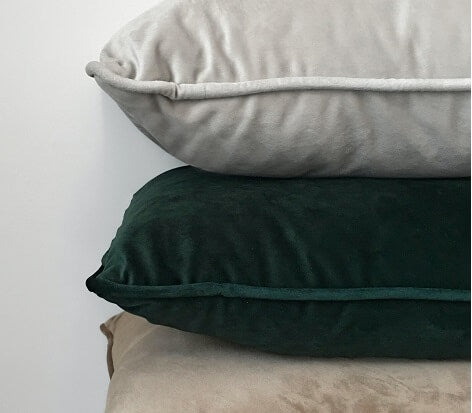
Super-plush, velvety fabrics can feel incredible when you're stroking them in a store, but they:
- Show every spit-up stain
- Attract lint and pet hair
- Can feel too warm against baby's skin
- Often don't hold up to the washing frequency babies require (which is considerable)
The textures that parents appreciate in the long term are the ones that hide imperfection while still feeling good:
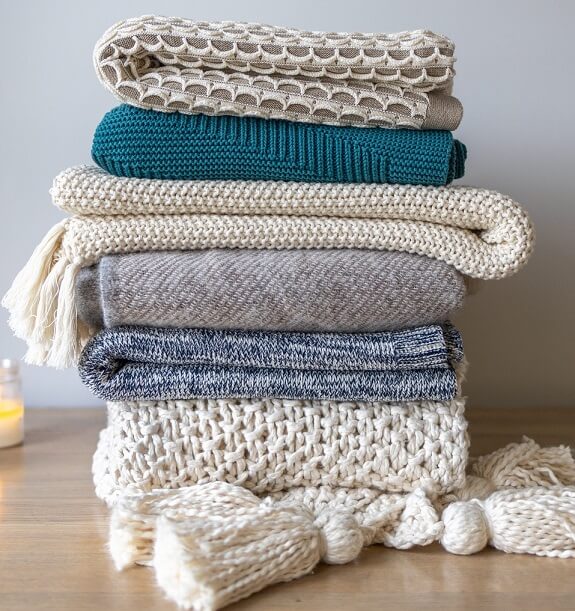
- Waffle weave cotton: Has visual interest, air pockets for breathability, and texture that camouflages minor stains
- Muslin: Gets softer with washing, stays cool, and has a relaxed appearance that doesn't look "ruined" when it's rumpled
- Cotton knit with subtle texture: Stretchy enough to tuck comfortably, substantial enough to feel quality
- Herringbone or subtle jacquard: Adds sophistication without the maintenance headaches of chenille or velvet
Personalization: When It Adds Meaning, When It Limits Use
Embroidered names and dates can make a blanket feel more special — or they can ensure it never gets used for its messiest, most important jobs.
Parents are less likely to use a heavily personalized blanket for spit-up duty, diaper changes on the floor, or outdoor picnics. It becomes too precious, reserved for photos and display, which ironically prevents it from becoming the well-loved object you intended.
If you want personalization, keep it subtle:
- Initials in a corner rather than the full name across the center
- Matching thread color rather than contrasting embroidery that demands attention
- Placement on the binding or edge rather than the main field
Better yet, consider skipping personalization entirely and including a handwritten card explaining why you chose this specific blanket. That note can be kept with the blanket and becomes part of the story without limiting how the blanket gets used.

How to Present the Gift So Parents Understand Its Value
The blanket itself is only half of the gift. How you present it shapes whether parents recognize what you've chosen and why it's different from the six other baby blankets they'll receive.
Include a simple card that mentions one or two specific qualities: "This is muslin, so it actually gets softer every time you wash it," or "I chose the larger size so it can grow with her — it'll work just as well for fort-building in a few years."
This does two things: it signals that you put thought into the choice, and it helps parents distinguish your gift from generic options. They'll remember which blanket is the one that "gets softer with washing," and that conscious awareness makes them more likely to reach for it.
Consider presentation that's practical rather than fussy. A simple cotton ribbon or twine rather than elaborate packaging that gets thrown away. Some gift-givers fold the blanket and tie it with a small wooden toy or teether attached — something that extends the gift's usefulness.
The Investment Question: What's Worth Spending
You don't need to spend a fortune, but you do need to spend enough to clear the quality threshold where blankets start lasting.
Under $25, you're mostly finding mass-produced synthetic options that won't hold up. Between $30-60, you enter the range where natural fibers, thoughtful construction, and durability become standard. Above $75, you're often paying for brand name rather than materially better quality, though there are exceptions for heirloom-quality pieces.
For most gift-giving situations, the $35-55 range hits the sweet spot: high enough quality to last for years, but not so expensive it creates discomfort for the recipient or pressure to keep something that doesn't work for their family.
What Parents Actually Appreciate
When parents talk about baby blankets they've loved years later, they mention:
- "It was the only one that stayed soft"
- "We used it every single day — for everything"
- "It was big enough that she could still wrap up in it at age four"
- "It looked nice in photos no matter how old she got"
- "It didn't look trashed even after hundreds of washes"
Notice what's absent from that list: the highest thread count, the most elaborate pattern, the matching set, the designer label.
The blankets that matter are the ones that work. They're soft enough to love, practical enough to use without anxiety, sized to last, and designed to age gracefully. That's the genuine difference between a baby blanket that becomes part of the family's story and one that quietly disappears.
Frequently Asked Questions
Q: Should I buy multiple baby blankets as a gift set or one really nice one?
A: One high-quality blanket makes a more memorable gift than several mediocre ones. Parents receive numerous blankets from various gift-givers; the one that stands out in quality is the one that gets used and remembered. A single exceptional blanket at $45 beats three $15 blankets every time.
Q: Is organic cotton actually worth it for a baby blanket gift?
A: Organic cotton is worth considering if you're choosing between otherwise similar options, particularly because it tends to be softer and less irritating for sensitive skin. However, the construction quality and fabric weight matter more than organic certification alone. A well-made conventional cotton blanket beats a poorly constructed organic one.
Q: What's the best baby blanket fabric for year-round use?
A: Cotton muslin and lightweight cotton knits work across all seasons because they're breathable enough for summer but can be layered for warmth in winter. They regulate temperature better than fleece or synthetic materials, which makes them more versatile and more likely to become the go-to blanket parents reach for regardless of weather.
Q: How many baby blankets do new parents actually need?
A: Most parents find that 3-5 quality blankets meet their needs, but they'll use one or two favorites significantly more than the others. Your goal as a gift-giver is to provide one of those favorites — the blanket chosen for quality and thoughtfulness rather than quantity.
If you're looking for new baby blankets designed to last beyond the newborn stage, our collection focuses on natural fibers, generous sizing, and timeless designs that parents will want to keep using for years. Each piece is chosen for the kind of durability that turns everyday use into lasting memories.