
The Men's Pajama Set That Actually Changes How You Rest
There's a particular kind of comfort that arrives when you stop treating sleepwear as an afterthought. When the fabric against your skin feels intentional. When getting dressed for bed—or staying dressed for a slow Sunday—becomes a small act of self-respect rather than just pulling on whatever's clean.
A quality men's pajama set isn't about performance or optimization. It's about creating space for rest that feels as considered as the rest of your life. And yet, most men are still wearing threadbare gym shorts and free t-shirts to bed, unaware that the texture against their skin affects not just comfort, but temperature regulation, sleep quality, and how they move through their evenings.

Why Fabric Texture Matters More Than You Think
The difference between a $15 pajama set and a $75 one isn't just price positioning. It's the weight of the weave, the hand-feel of the finish, and how the material responds to your body temperature throughout the night.
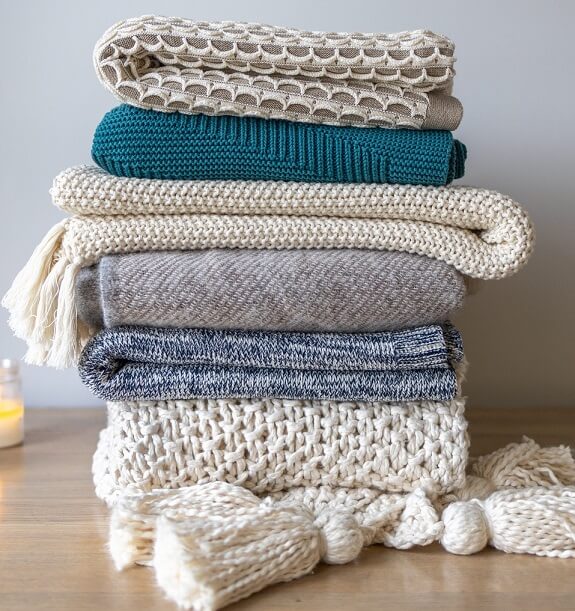
Brushed cotton creates a soft, slightly fuzzy surface that traps warmth without weight. The brushing process lifts the fibers, creating tiny air pockets that insulate while allowing breathability. This makes brushed cotton ideal for cooler months or anyone who runs cold at night but dislikes heavy fabrics.
Bamboo jersey offers a silkier drape with natural moisture-wicking properties. Bamboo viscose is inherently more breathable than standard cotton and has a cooling effect that works for warm sleepers or temperate climates. The stretch in jersey knits also means less restriction during sleep—no twisting, no riding up.
Lightweight linen is the texture of intentional living. It wrinkles beautifully (never apologetically), breathes like nothing else, and gets softer with every wash. Linen regulates temperature by allowing maximum airflow, making it perfect for summer or for layering year-round. The relaxed structure also aligns with a more bohemian, lived-in aesthetic—comfort that looks as good as it feels.
The Boho Ethos: Comfort as Intentional Living
There's something fundamentally aligned between quality loungewear and the principles of intentional living. Both reject the idea that comfort is lazy or that caring about texture is superficial.
The bohemian approach to home and self isn't about macramé wall hangings—it's about surrounding yourself with materials that feel good to touch, choosing natural over synthetic, and refusing to separate "presentable" from "comfortable." A well-made men's pajama set embodies this: natural fibers, relaxed silhouettes, earth tones or muted prints that don't demand attention but don't fade into forgettability either.
This is sleepwear you can wear during your morning coffee ritual, while reading on the couch, or during a leisurely weekend breakfast. It transitions because it was designed with living in mind, not just sleeping.

Normalizing Self-Care Without the Cringe
Let's address the awkwardness directly: men are often socialized to view self-care as indulgent or vaguely embarrassing. Skincare is "extra." Good sleepwear is "unnecessary." Caring about texture is somehow... suspect.
But here's the reality: choosing a pajama set that feels good against your skin isn't pampering. It's basic environmental design for sleep. You wouldn't tolerate a scratchy pillow or sheets that pill after two washes. Why accept it from what you're wearing for 7-9 hours every night?
Quality sleepwear is self-care in the same way a good mattress is self-care—it's infrastructure for rest. And rest isn't optional. It's the foundation for everything else: mood regulation, cognitive function, immune health, patience with your kids, creativity at work, presence in relationships.
Upgrading your pajamas is one of the lowest-effort, highest-impact improvements you can make to your sleep environment. No assembly required. No breaking-in period. Just immediately better comfort.
What to Look for in a Men's Pajama Set
Not all pajama sets are created equal, and the details matter more than most product descriptions acknowledge.
Fit and Movement
Look for cuts that allow full range of motion without excess fabric bunching. Elastic waistbands should sit comfortably without digging in—consider drawstring options for adjustability. Sleeves and pant legs should be long enough to cover without restricting when you bend or stretch.
Many brands now offer relaxed, tapered cuts that avoid the "baggy" look without going slim-fit. This matters for both comfort and versatility—pajamas that look intentional rather than sloppy transition better into loungewear.
Construction Details
Check the seam quality. French seams or flat-felled seams lie flatter against skin and hold up better through repeated washing. Button quality on pajama tops matters too—cheap buttons crack or fall off, and replacing them is annoying enough that most people just stop wearing the set.
Look for reinforced stitching at stress points (crotch, armholes) and bartack stitching on pockets if included.
Fabric Weight and Seasonality
Lightweight fabrics (under 5 oz per square yard): Ideal for warm sleepers, summer months, or layering. Linen, cotton voile, and bamboo jersey fall into this category.
Midweight fabrics (5-7 oz): The Goldilocks zone for year-round wear in temperate climates. Standard cotton jersey, cotton-modal blends, and lightweight flannel.
Heavier fabrics (7+ oz): Brushed cotton, true flannel, and fleece blends. Best for cold sleepers or winter months, but can cause overheating if you run warm.
Sizing Considerations
Pajama sizing is notoriously inconsistent across brands. Many men's pajama sets run large, assuming buyers want a loose fit. If you prefer a more fitted look for loungewear purposes, consider sizing down—but check the specific measurements, especially inseam and sleeve length.
Brands that offer tall and big sizes separately (rather than just XL-XXL) tend to have better overall fit across their range. This attention to proportion usually indicates better design overall.

Care and Longevity
Quality pajamas should last years, not months. Natural fibers like cotton and linen become softer with washing, while bamboo viscose maintains its smooth hand-feel if cared for properly.
Wash in cool or warm water (not hot) to prevent shrinkage and preserve color. Skip fabric softener with bamboo and linen—it can coat fibers and reduce breathability. For brushed cotton, a small amount of softener maintains the plush texture.
Air-dry when possible, especially for linen (which dries quickly anyway). If using a dryer, remove while slightly damp to minimize wrinkles and prevent over-drying, which can weaken fibers over time.
The Unexpected Benefits of Upgrading
Beyond the immediate comfort improvement, a quality men's pajama set creates ritualized transitions. Changing into good sleepwear signals to your brain that the workday is over. It creates a buffer between productivity mode and rest mode.
This matters more in an era of work-from-home blurring, when the same space serves multiple functions. The physical act of changing clothes—into something specifically designed for comfort—helps establish boundaries that our environments no longer provide.
Good pajamas also reduce decision fatigue. When you have sleepwear you actually like wearing, you're not rummaging through drawers at 11 PM looking for "something comfortable." It's already there, already clean, already the right choice.
Frequently Asked Questions
Q: How many pajama sets does one person actually need?
A: Three to four sets is ideal—enough to always have a clean option while others are in the wash, but not so many that you're never wearing your favorites. Consider having at least one lightweight and one midweight option to accommodate seasonal temperature changes.
Q: Can you wear pajama sets outside the house without looking sloppy?
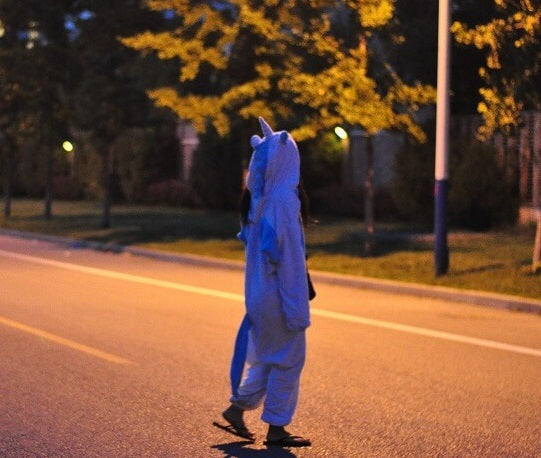
A: Elevated loungewear in neutral colors, natural fabrics, and tailored cuts can absolutely work for quick errands or casual hangouts—especially sets in linen or structured cotton. The key is intentional styling: avoid obvious sleepwear patterns like cartoon prints, and ensure the fit is deliberate rather than oversized and rumpled.
Q: Are expensive pajamas really worth it, or is it just marketing?
A: Quality differences in pajamas are tangible: better fabrics feel noticeably softer and regulate temperature more effectively, superior construction means they last years instead of months, and thoughtful design details improve both comfort and appearance. A $70 set you wear 200+ times per year for 3-4 years costs less per wear than $20 sets you replace annually—plus the daily comfort improvement is immediate.
Q: What's the best fabric for men who sleep hot?
A: Bamboo jersey and lightweight linen are your best options. Both wick moisture effectively and allow maximum airflow. Avoid synthetic blends and heavy brushed cottons, which trap heat. Also consider shorter sleeves or sleeveless tanks paired with full-length pants if you want coverage without overheating.
If you're ready to stop treating sleepwear as an afterthought, explore Sandman's Shop's collection of men's pajama sets in natural fabrics designed for both rest and intentional living. Your evenings deserve better than decade-old gym shorts.