



How to Care for a Chunky Blanket So It Stays Soft, Full, and Pill-Free for Years
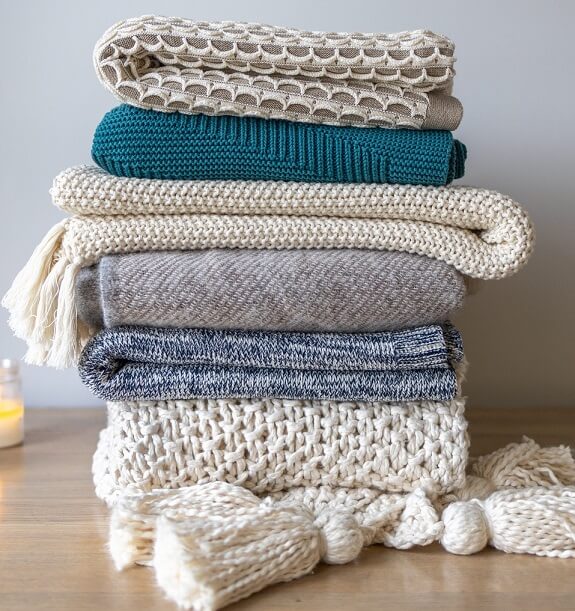
That chunky knit blanket draped over your bed or sofa isn't just beautiful, it's an investment in comfort. The thick, open weave that makes it so visually striking and touchably soft also makes it surprisingly vulnerable. Unlike a standard fleece throw you can toss in the wash without thinking, chunky blankets demand more thoughtful care.
I've seen too many of these gorgeous blankets come out of a single wash cycle stretched into oblong shapes, their once-plump loops flattened and sad. The good news? With the right approach, your chunky blanket can stay as soft and full as the day you brought it home, for years.
Let's talk about exactly how to care for a chunky blanket, with specific techniques for that distinctive bulky construction.
Understanding Why Chunky Blankets Are Different
Before we get into the how-to, it helps to understand what you're working with. Chunky blankets are typically made from super-bulky yarn (sometimes called jumbo or roving yarn) in an open, loose weave or knit pattern. This construction creates those signature fat loops and dramatic texture.
But here's the challenge: that same open structure means the blanket has minimal internal support. Each loop can move independently. The yarn itself, whether it's merino wool, chenille, acrylic, or cotton, is thick but loosely twisted, making it prone to pilling if rubbed aggressively.
When you wash a chunky blanket incorrectly, the water weight combined with agitation can pull those loops in different directions, permanently distorting the shape. The friction can cause pilling. High heat can felt wool fibers or melt synthetic ones. That's why your chunky blanket needs a completely different care approach than your regular bedding.
Hand Washing vs. Machine Washing: Which Is Right for Your Blanket?
The safest method is always hand washing, but I know that's not always realistic when you're dealing with a blanket that can weigh 15-20 pounds when dry and significantly more when wet.
When to Hand Wash
Hand wash your chunky blanket if:
- It's made from 100% wool, especially merino or other delicate fibers
- It's hand-knitted or arm-knitted (these are more fragile than machine-knitted versions)
- The care label specifically says "hand wash only"
- It's a lighter weight (under 10 pounds) and you have a bathtub available
How to hand wash properly:
Fill a clean bathtub with cool to lukewarm water (never hot, aim for around 85°F maximum). Add a small amount of gentle detergent made for delicate fabrics or wool. Avoid regular detergent, which can be too harsh and leave residue in those thick fibers.
Submerge the blanket completely and gently press it down into the water. Let it soak for 10-15 minutes. Don't agitate, wring, or twist, just gently squeeze the soapy water through the blanket with your hands, working from one end to the other.
Drain the tub and refill with clean cool water for rinsing. Repeat the gentle pressing and squeezing until the water runs clear and no soap remains. This might take 2-3 rinse cycles.
When Machine Washing Is Acceptable
You can machine wash your chunky blanket if:
- It's made from acrylic, polyester, or cotton (more durable than wool)
- The care label says "machine washable"
- You have a large-capacity, front-loading washer (top-loaders with agitators are too aggressive)
How to machine wash safely:
Place the blanket in a large mesh laundry bag if you have one. This provides an extra layer of protection against snagging on the drum.
Use the delicate or hand-wash cycle with cold water only. Select the lowest spin speed available, high-speed spinning creates too much force and can distort the weave.
Use a gentle, liquid detergent (powder can get trapped in the thick fibers). Use less than you think you need, about half the normal amount for the load size.
Never wash your chunky blanket with other items, especially anything with zippers, hooks, or rough textures that could snag the loops.
The Critical Part: How to Dry Without Destroying the Shape
This is where most people go wrong. The drying process is actually more important than the washing when it comes to preserving your chunky blanket's shape and texture.
Never Use a Machine Dryer
I'll say it plainly: don't put your chunky blanket in the dryer. The tumbling action will stretch it, the heat can damage fibers, and you'll likely end up with a misshapen, pilled mess. There's no "low heat" setting gentle enough for these blankets.
The Flat Drying Method (Best Practice)
After washing, you need to remove excess water without wringing or twisting. Here's how:
Support the entire weight of the wet blanket as you lift it from the tub or washer. Don't let it hang from one end, this stretches the weave.
Gently press out water by laying the blanket over the side of the tub and pressing down with your hands, or squeeze sections gently without twisting.
Lay out several large, clean, dry towels on the floor in a well-ventilated room. Spread your blanket on top of the towels in its natural rectangular shape, gently manipulating the loops back into their proper positions.
If any section looks stretched, gently ease it back into shape while the blanket is still damp. The fibers are most malleable now.
Allow to air dry completely. This will take 24-48 hours depending on humidity and ventilation. Flip the blanket once during drying and replace the towels underneath if they become saturated.
The Outdoor Drying Alternative
If weather permits, you can lay your chunky blanket flat on a clean outdoor table, mesh drying rack, or across several parallel clotheslines (to distribute the weight). Never hang it from a single line, the weight will create permanent stretching.
Avoid direct sunlight, which can fade colors and degrade natural fibers. A covered porch or shaded area with good airflow is ideal.
How to Deal with Pilling
Even with careful washing, some pilling is natural over time, especially with softer fibers like merino wool or chenille.
Don't use a regular fabric shaver on chunky blankets. The open weave and thick loops can get caught in the blade, creating holes or runs.
Instead, use your fingers to gently pull off pills, or use a wide-toothed comb to carefully work through sections, pulling pills away from the surface.
For stubborn pills on wool blankets, a pumice stone designed for fabric can work if used very gently in the direction of the knit.
Storage Between Seasons
If you're putting your chunky blanket away for warmer months, never store it hanging or compressed in a vacuum bag. Both will permanently distort the shape.
Fold the blanket loosely and store it in a breathable cotton storage bag or on a shelf where it can maintain its natural shape. Avoid plastic bins, which can trap moisture and lead to mildew or musty odors.
For wool blankets, add cedar blocks or lavender sachets to deter moths, but keep them from direct contact with the blanket.
Store in a cool, dry place away from direct sunlight.
Quick Care Between Washes
You don't need to wash your chunky blanket frequently. In fact, over-washing will wear it out faster. Most chunky blankets only need washing 2-3 times per year with regular use.
Between washes:
- Shake it out gently once a week to release dust and restore the loops
- Spot-clean spills immediately with a damp cloth and tiny amount of gentle soap, then blot dry
- Air it out on a porch or near an open window on dry days to keep it fresh
- Keep it away from pets with sharp claws that might snag the loops
Material-Specific Care Considerations
Wool and Merino Chunky Blankets
These require the most delicate care. Always use cool water and wool-specific detergent. Never agitate vigorously. Wool is prone to felting (where fibers mat together permanently) when exposed to heat, agitation, and pH changes.
The benefit? Wool is naturally antimicrobial and odor-resistant, so it needs washing less frequently than synthetic materials.
Acrylic and Polyester Chunky Blankets
More forgiving than wool, but still vulnerable to stretching due to the open weave. These can usually handle cooler machine washing on delicate cycles. They dry faster than natural fibers but are more prone to pilling over time.
Cotton Chunky Blankets
Cotton can handle slightly warmer water than wool but shrinks more easily. Expect some shrinkage with the first wash. Cotton chunky blankets are heavy when wet, so extra care is needed during the drying process to prevent stretching.
Chenille Chunky Blankets
The velvety chenille yarn is created by cutting fibers, which makes it prone to shedding and pilling. Wash infrequently, always use cold water, and be extremely gentle. Chenille requires the most careful handling of any chunky blanket material.
Frequently Asked Questions
Q: Can I dry clean my chunky blanket?
A: Most chunky blankets shouldn't be dry cleaned, the chemicals can damage the fibers, and the pressing process can flatten the texture. Always check your care label, but hand or gentle machine washing is usually preferable.
Q: My chunky blanket has stretched out. Can I fix it?
A: Sometimes, yes. Dampen the stretched area with cool water, then gently manipulate it back into shape and let it dry flat. For wool blankets, you can try carefully steaming the area from a distance to help fibers contract slightly. Prevention is easier than correction, though.
Q: How often should I really wash my chunky blanket?
A: If it's used as a decorative throw, once or twice a year is plenty. If you're snuggling under it nightly, every 2-3 months. If someone's been sick or it's visibly soiled, wash as needed. The goal is to find the balance between cleanliness and preservation.
Q: What's the best detergent for chunky blankets?
A: Use a gentle, liquid detergent designed for delicates or wool. Brands like Woolite, Eucalan, or The Laundress Wool & Cashmere Shampoo work well. Avoid detergents with enzymes, bleach, or heavy fragrances, which can irritate the thick fibers and linger in the weave.
At Sandman's Shop, our chunky blanket collection is designed with both beauty and durability in mind, but even the highest-quality chunky knit will last longer with proper care. When you treat these cozy pieces with the gentleness they deserve, they'll continue making your sleep space feel inviting for many years to come.