

How to Choose a Hooded Animal Blanket for Adults That's Actually Comfortable
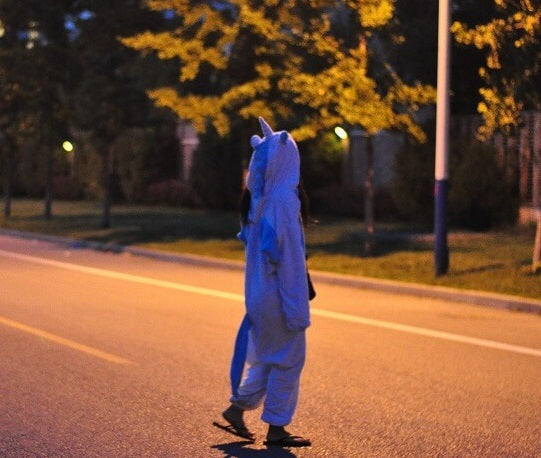
You've seen them everywhere: adults wrapped in what appears to be a plush dinosaur or shark, looking cozy and content. The reality? Most hooded animal blankets photograph beautifully and disappoint after two uses. The hood slides off. The fabric feels scratchy after the first wash. The "plush" thickness you saw online turns out to be a thin layer that barely cuts the chill.
If you're considering a hooded animal blanket for adults, you deserve one that actually keeps you warm during your evening wind-down routine, not just one that looks cute in your cart. Here's what separates a blanket you'll reach for nightly from one that ends up stuffed in the back of a closet.

Why Fabric Construction Matters More Than Design
The animal design is what catches your eye, but the fabric construction determines whether you'll actually use it. Most disappointment with hooded animal blankets stems from poor-quality materials masquerading as "ultra-soft fleece" or "plush sherpa."
Look for these specific fabric indicators:
GSM (grams per square meter) tells you actual fabric density. Quality hooded blankets use fleece at 280-320 GSM minimum. Below that, you're getting a thin layer that won't provide meaningful warmth. Many online listings don't mention GSM because the numbers would reveal how lightweight the product actually is.
Double-layer construction with different fabrics on each side—typically fleece on the exterior and sherpa or microfiber inside—provides better temperature regulation than single-layer options. The dual construction also helps the blanket maintain its shape through multiple washes.
Synthetic microfiber or polyester fleece isn't inherently cheap. High-quality versions offer excellent warmth-to-weight ratios and wash durability. The difference lies in fiber density and finishing. Run your hand across product images if they're high-resolution enough—quality pile should look consistently dense, not patchy or thin in places.
Hood Construction: The Detail Most Buyers Ignore
A poorly constructed hood is the fastest way to ruin an otherwise decent blanket. If the hood constantly slides backward or sits awkwardly on your head, you won't wear it, regardless of how warm the blanket itself might be.
Functional hood design includes:
Adequate depth and volume. The hood should extend at least 11-12 inches from the neckline to properly cover your head without pulling tight. Shallow hoods (8-9 inches) look proportional in photos but barely stay on.
Face opening size and shape matter for peripheral vision. Oversized face openings expose your neck to drafts, while overly small ones feel restrictive and limit side vision when you're trying to read or watch something.
Interior hood lining provides structure. Unlined hoods collapse and twist. Better options line the interior with the same sherpa or soft material as the blanket's interior, which adds gentle weight that helps the hood stay positioned.
Ear placement details sound fussy but make a practical difference. Those adorable external ears should sit slightly forward of where your actual ears rest. If they're positioned too far back, they pull the hood backward off your head.

Sizing: Why "One Size Fits Most" Usually Means It Fits Nobody Comfortably
The appeal of hooded animal blankets is cocooning yourself completely. Standard adult sizing typically runs 60" x 80" (similar to a throw blanket), which works if you're 5'2" to 5'8". Taller than that, and your feet stick out. You want coverage.
Look for blankets that specify 70-80 inches in length if you're over 5'10". Width matters less for comfort than length—you're wrapping it around yourself, not lying flat under it.
Arm opening placement affects usability more than total size. Some designs place the arm slits too far forward, which means you can't comfortably pull your arms inside when you want full cocoon mode. Others place them too far back, making it awkward to extend your arms for holding a book, phone, or mug.
Washing Durability: The True Test
That impossibly soft texture in week one often becomes pilled, matted, or stiff by week four. Fabric pilling happens when short fibers work loose and tangle on the surface. Cheaper synthetic fleece pills aggressively because manufacturers use shorter, lower-quality fibers.
Before buying, check for:
Specific washing instructions that indicate quality. If the care label says "cold water only, air dry, no fabric softener," the manufacturer knows the fabric can't withstand normal washing. Better blankets tolerate warm water and low-heat drying without significant deterioration.
Double-stitched seams at stress points (hood attachment, arm openings, edges) prevent the blanket from literally falling apart at the joins after a few months of regular use and washing.
Color-fastness matters for animal designs with multiple colors or contrasting details. Dye bleeding during washing ruins the visual appeal and often indicates lower manufacturing standards overall.
When a Hooded Animal Blanket Actually Improves Your Evening Routine
These blankets work best for specific situations, not as all-purpose bedding. Understanding where they fit in your sleep routine prevents buyer's remorse.
Ideal use cases:
Evening wind-down on the couch. If you get cold while reading or watching TV in the 1-2 hours before bed, a hooded blanket provides warmth without the commitment of changing into pajamas. The hood cuts drafts around your neck and head, which helps if you keep your home cooler in the evening to promote better sleep later.
Cold mornings when you're not quite ready to get up. The hood makes these blankets more versatile than standard throws for those slow-wake mornings when you want to check your phone or have coffee but stay warm.
Layering in poorly insulated spaces. If your bedroom runs cold or you're trying to avoid cranking the heat before bed (cooler ambient temperature generally supports better sleep), a hooded blanket works well for staying comfortable while your body temperature naturally drops in preparation for sleep.
These blankets don't replace your actual bedding. They're supplementary warmth for transitional moments—too substantial for a light throw, not structured enough for sleeping under all night.

What to Avoid: Red Flags in Product Listings
"Ultra plush" without GSM specifications usually means thin fabric. Legitimate plush construction is measurable; manufacturers who invest in quality materials list the specs.
Generic product photos used across multiple sellers indicate dropshipped items with inconsistent quality. Look for listings with photos showing the blanket in real use—on an actual person, with the hood up, showing thickness at the hem fold.
Overwhelming ratio of 5-star to critical reviews suggests filtered feedback. Check 3-star reviews specifically; they tend to be most honest about trade-offs like "warm but pills" or "cute but hood doesn't stay on."
No information about where the product is manufactured or assembled often correlates with quality control issues. This isn't about origin country—it's about whether the seller knows and stands behind their supply chain.
Frequently Asked Questions
Q: Can you sleep in a hooded animal blanket all night?
A: You can, but most people find them too warm and slightly restrictive for full-night sleep. They work better for pre-sleep relaxation and morning lounging. If you run very cold at night, consider a quality weighted blanket or warmer bedding instead—they're designed for sleep-specific temperature regulation.
Q: How do you wash a hooded animal blanket without ruining it?
A: Wash in cold or warm water (check specific care instructions) on gentle cycle, and tumble dry on low heat or air dry. Skip fabric softener, which coats fibers and reduces the plush feel over time. Wash separately the first few times to check for dye bleeding, especially with brightly colored animal designs.
Q: Are hooded animal blankets suitable as gifts for adults?
A: They make excellent gifts for people who are consistently cold, work from home, or have active evening routines that involve staying cozy. Less suitable for minimalists or people with limited storage. The novelty factor works best when the recipient has actually expressed wanting one—gifting purely for the "cute" factor often results in unused items.
Q: What's the difference between a hooded blanket and a wearable blanket?
A: Hooded blankets typically have a hood attached to what's essentially a large throw blanket, sometimes with arm slits. Wearable blankets (or blanket hoodies) are more garment-like with defined sleeves and often a front opening. Hooded animal blankets fall in the first category—wrap-and-cocoon style rather than wear-like-clothing style.
Our hooded blanket collection focuses on construction quality and genuine comfort rather than novelty alone—each option selected for fabric density, hood functionality, and washing durability. Browse pieces designed for adults who want real warmth during evening wind-down.