Holiday Pajamas Guide: How to Choose Sets for Every Member of the Family That Will Actually Get Worn
The holiday pajama photo is a treasured tradition. But if we're being honest, most of those festive sets get folded away after one wearing and never resurface, even though everyone loved the idea.
The problem isn't the tradition. It's that holiday pajamas are usually chosen for how they look in photos rather than how they feel at bedtime. The result? Sets that are too hot, too stiff, too tight in weird places, or sized so generously "for growth" that kids trip over the hems.
This guide takes a different approach. We'll help you choose holiday pajamas with enough attention to fabric, fit, and real comfort that they become a recurring part of your family's seasonal rotation, not just a one-night costume.
Why Most Holiday Pajamas Get Retired After One Wear
Holiday pajama sets fail the repeat-wear test for predictable reasons:
Fabric choices prioritize pattern printing over breathability. Many festive prints require polyester blends that photograph beautifully but trap heat and feel clammy by midnight.
Sizing errs toward "room to grow." Well-intentioned grandparents buy toddlers size 5T "so they'll get more use," but oversized pajamas bunch, twist, and make kids uncomfortable.
Embellishments look cute but sleep terrible. Appliqués, glitter prints, and thick embroidery create pressure points and stiff spots that irritate skin during sleep.
The "matching set" imperative overrides individual needs. When everyone has to wear the same style, someone inevitably ends up in long sleeves when they need short, or pants when they prefer shorts.
The fix isn't to abandon holiday pajamas, it's to choose them the same way you'd choose any sleepwear you actually expect someone to wear.
Start With Fabric: What Actually Feels Good at Night
The single most important factor in whether holiday pajamas get worn again is the base fabric, not the print on top of it.
Natural Fibers Sleep Better Than Synthetics
Cotton, bamboo-derived fabrics, and modal regulate temperature better than polyester. They wick moisture away from skin rather than trapping it, which matters when someone's running a slight fever, when the heater's cranking, or when a toddler refuses to stay under blankets.
Look for pajamas that list fabric content first, pattern second. If the product description leads with "100% organic cotton" or "bamboo modal blend," that's a good sign. If it leads with "adorable reindeer print," check the fiber content carefully.
Weight Matters More Than You'd Think
Holiday season spans November through early January, a wide temperature range depending on your climate and heating setup.
Lightweight cotton or modal works for most indoor environments. These fabrics feel substantial enough to be cozy without causing nighttime overheating.
Flannel is genuinely warm, maybe too warm. Unless your house runs cold or you're in a very northern climate, flannel holiday pajamas often lead to kicked-off blankets and sweaty wake-ups. They're better suited for lounging than sleeping.
Jersey knit offers the best versatility. Soft, stretchy, breathable, and substantial enough to feel like "real" pajamas rather than summer-weight sets.
Fit: The Unsexy Factor That Determines Everything
A beautiful print on an uncomfortable fit is still uncomfortable. Here's what to prioritize for each family member.
For Kids: Snug Fit Beats "Room to Grow"
Despite our instinct to size up for value, kids actually sleep better in pajamas that fit their current size. Properly fitted pajamas don't twist, bunch at the waist, or create tripping hazards during nighttime bathroom runs.
Check the rise and inseam. Kids' holiday pajamas often have awkwardly long torsos and legs. If the size chart shows measurements, compare them to pajamas your child already wears comfortably.
Elastic waistbands should be snug but not tight. If you can comfortably fit two fingers under the waistband when the pajamas are on, that's right. More than that and they'll slide down; less and they'll create a pressure line.
Consider footed pajamas carefully. They're undeniably adorable, but only comfortable if the child is genuinely between shoe sizes or the pajamas have non-skid soles and grippy feet that allow some movement. Too-small foot areas cause cramping.
For Adults: Ignore "Loungewear" Styling
Many holiday pajama sets for adults are marketed as loungewear, which means they're designed for sitting on the couch, not sleeping through the night.
Pants should have a gusseted crotch. This sounds technical, but it's simple: that diamond-shaped piece of fabric at the crotch seam allows for movement without the waistband sliding down or seams pulling. Without it, you'll be adjusting all night.
Sleeve length affects temperature dramatically. If you typically sleep in short sleeves, don't assume you'll tolerate long sleeves just because they're festive. Look for sets that offer sleeve choices in the same print.
Buttons vs. pullovers: choose what you normally wear. Button-front pajama tops photograph beautifully but can gap open or have irritating buttons if you sleep on your stomach. If you always sleep in pullovers, don't switch for the holidays.
For Everyone: Check the Neckline
High, snug necklines look tidy in photos but feel restrictive during sleep. Look for crew necks with enough ease that they don't touch the throat, or henley styles that can be worn open.
Prints and Colors: Choose What You'll Actually Want to See Again
Once you've nailed fabric and fit, aesthetics matter, just not in the way you might think.
Classic Patterns Have More Longevity Than Trendy Ones
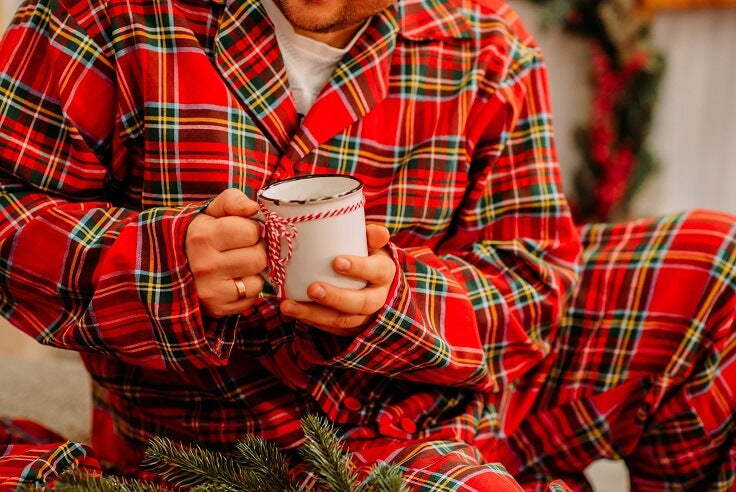
Plaid, fair isle, simple stars, or solid colors with minimal trim photograph just as well as character-covered prints but feel less dated when you pull them out next year, or the year after.
If you want novelty, keep it subtle. Small repeating patterns (tiny snowflakes, mini trees) rather than large graphic prints tend to feel less costume-like for repeat wearing.
Consider Mix-and-Match from the Start
The pressure to have everyone in identical sets creates sizing and style compromises. Instead, choose holiday pajamas in a coordinating color family say, everyone in shades of red, green, and cream, but let each person pick the style that actually fits their sleep preferences.
This approach solves multiple problems: The toddler who overheats can wear shorts. The teen who refuses long sleeves can wear a short-sleeve top. The parent who needs a specific fit isn't stuck with whatever comes in the "family set."
The photos still look coordinated, arguably more interesting than matchy-matchy and everyone's comfortable enough to keep wearing their pair.
Sizing Strategy by Age Group
Babies and Toddlers (0-3 years)
Buy for current size, possibly one size up if you're shopping more than two weeks before the holiday. Babies outgrow things quickly, but buying 4T for an 18-month-old means it won't fit this year and they'll have outgrown the holiday pattern by the time it does.
Zipper vs. snap closure: For overnight wear, zippers are faster for diaper changes. Snaps are fine for photos but tedious at 2 a.m.
Young Kids (4-10 years)
True to size is best. If between sizes, size up only if your child is genuinely tall for their age and the size chart shows the larger size's length works.
Tweens and Teens
Let them choose their own style within your holiday parameters. A teen who picks their pajamas, even if it's just choosing between two options is far more likely to wear them beyond the first night.
Adults
Order your normal size. Holiday pajamas aren't shapewear; they should fit comfortably loose.
The Budget Question: When to Spend More
You don't need to spend $60 per person on holiday pajamas. But the $15 polyester sets from big-box stores usually feel like $15 polyester sets.
The middle tier ($25-40 per set) is the sweet spot for natural-fiber pajamas with decent construction that will survive multiple washes and feel good enough to reach for again.
Worth spending more on: Adult pajamas for chronic poor sleepers who are temperature-sensitive or have sensory issues. The difference between adequate fabric and genuinely comfortable fabric matters more when sleep is already fragile.
Fine to spend less on: Very young children who are between sizes anyway. Photo-only matching sets for pets (obviously).
Making Holiday Pajamas Part of the Regular Rotation
The best test of whether you've chosen well: Do people reach for these pajamas on non-holiday nights?
Wash them before the big photo. This softens the fabric, removes manufacturing residue, and ensures colors are set. Pre-washing also reveals whether the sizing is actually comfortable.
Store them with regular pajamas, not holiday decorations. If they're packed away with ornaments, they become occasion-wear. Kept in the regular drawer, they become pajamas that happen to be festive.
Buy in patterns that work beyond December. Snowflakes, stars, and winter plaids can reasonably be worn January through March. Specific "Santa's Workshop" graphics have a narrower window.
Frequently Asked Questions
Q: Should holiday pajamas be a size up so they last longer?
A: No. Properly fitted pajamas sleep better, and kids will outgrow the holiday aesthetic before they outgrow a true-to-size set. Buy for the current season, accept that they might not fit next year, and focus on choosing pajamas comfortable enough to wear frequently this year.
Q: Are matching family sets worth it, or should everyone choose their own style?
A: Coordinating colors with individual style choices usually works better than identical sets. Everyone gets fabric and fit that actually suits their sleep preferences, and the photos still look intentionally coordinated. Save matching identical sets for families where everyone genuinely has similar size and temperature preferences.
Q: What's the best fabric for holiday pajamas if my house is warm?
A: Lightweight cotton jersey or bamboo-derived modal. Both are breathable, moisture-wicking, and substantial enough to feel like real pajamas without trapping heat. Avoid flannel unless your indoor temperature stays below 65°F at night.
Q: Can you machine-wash holiday pajamas with embellishments?
A: Most can be washed on gentle cycle inside out, but check care labels. Glitter prints and appliqués hold up better than you'd expect with proper washing. If embellishments feel stiff or scratchy out of the package, they'll likely stay that way and aren't good choices for actual sleep.
Sandman's Shop's holiday pajama collection focuses on natural-fiber fabrics and classic patterns designed for genuine comfort, not just photos, because traditions are better when they're actually enjoyable to repeat. Each set includes detailed fabric content and fit notes to help you choose well the first time.