
From Quirky to Curated: How Novelty Pillows Became Design Staples
If you've ever hesitated before adding a velvet mushroom pillow or an embroidered zodiac cushion to your cart, wondering if it's "too much," you're not alone. Novelty pillows occupy this strange space in home decor—dismissed as kitsch by some, celebrated as personality by others. But here's what most people don't realize: decorative pillows with personality, humor, and artistic flair aren't a millennial invention or an Etsy trend. They're part of a design lineage that stretches back centuries, and understanding that history might just give you permission to embrace the eclectic.
This isn't about defending impulse purchases shaped like tacos (though no judgment). It's about recognizing that the "novelty" pillow—whether it's embroidered with celestial maps, shaped like a fruit, or screen-printed with abstract art—represents something deeper: our human need to make rest spaces feel personal, playful, and ours.

The Victorian Era: When Cushions Got Complicated
The Victorians didn't invent decorative cushions—ancient civilizations used them for centuries—but they certainly perfected the art of making them excessive, ornate, and deeply personal. In the mid-to-late 1800s, parlor cushions became a canvas for needlework, beadwork, and textile experimentation.
Here's what made Victorian cushions the original "novelty" pillows:
Needlepoint narratives: Women (and some men) embroidered cushions with elaborate scenes—florals, yes, but also landscapes, pets, commemorative dates, and even political messages. These weren't generic. They were storytelling objects.
Shape experimentation: Round bolsters, heart-shaped cushions, and irregularly-shaped pillows appeared in fashionable homes. If it could hold stuffing, someone made it into a cushion.
Textile showcasing: Velvet, silk, brocade, fringe, tassels—Victorian cushions were maximalist by design. They signaled taste, wealth, and creative skill.
Motto pillows: Some featured embroidered sayings—"Welcome," "Home Sweet Home," or more pointed commentary. The great-great-grandmother of your friend's "Good Vibes Only" throw pillow.
What connects this to sleep and rest? Victorian parlors weren't just for entertaining. They were where families gathered for quiet evenings, where women retreated for reading or needlework, where rest happened before bedtime. Cushions softened wooden furniture and created pockets of comfort. The "novelty" element—the personality stitched into them—made rest spaces feel emotionally comfortable, not just physically so.
Arts and Crafts to Art Deco: Function Meets Form
As the Victorian era gave way to the early 20th century, design philosophies shifted. The Arts and Crafts movement (roughly 1880s-1920s) rejected Victorian excess but kept the handcrafted ethos. William Morris and his contemporaries created textile patterns—intricate florals, nature motifs, stylized birds—that adorned cushions with artistic legitimacy.
Then came Art Deco (1920s-1930s), and novelty took on geometric glamour. Cushions featured:
- Bold, angular patterns
- Metallic threads and luxe fabrics
- Abstract designs that prioritized visual impact
- Exotic influences (Egyptian motifs after Tutankhamun's tomb discovery)
These weren't "silly" pillows—they were design statements. But they served the same psychological function as Victorian narrative cushions: they announced, "This space reflects who I am." In the context of sleep and rest, bedrooms of this era began embracing decorative pillows not for function but for aesthetic completion. The bed became a designed object, not just a place to sleep.

Mid-Century Modern: Pop Art and Personality
The 1950s through 1970s brought the explosion we now recognize as the birthplace of contemporary novelty pillows. Several cultural forces converged:
Pop Art influence: Artists like Andy Warhol and Roy Lichtenstein elevated everyday objects and commercial imagery to fine art. That philosophy trickled into home goods. Suddenly, a pillow printed with comic book graphics or soup cans wasn't lowbrow—it was commentary, or at least conversation.
Screen printing accessibility: Technology made it easier and cheaper to print complex designs on fabric. Small manufacturers could produce limited runs of unusual designs.
Youth culture and rebellion: Younger homeowners rejected their parents' formal living rooms. A pillow shaped like a peace sign or printed with psychedelic swirls was a declaration of values.
Craft revival: The 1970s saw a surge in macramé, crochet, and textile arts. Handmade pillows—some beautiful, some admittedly questionable—flooded homes.
This era established a template we still follow: novelty pillows as affordable personality injections. You might not be able to afford a Warhol print, but you could buy a pillow inspired by his aesthetic for your sofa or bed.
The '80s Through '90s: Kitsch Kingdom
Let's be honest—the 1980s and '90s gave novelty pillows a reputation problem. This was the era of mass-produced, low-quality gimmicks: cartoon characters, garish florals, embroidered cats with actual fake fur. Shopping mall kiosks sold pillows shaped like lips, beer bottles, and fast food. "Novelty" became synonymous with "tacky."
But even in this era, something important was happening: pillows were democratized. They were everywhere, affordable, and expressed every possible interest or joke. The quality might have been dubious, but the impulse—to personalize space, to signal interests, to add comfort with personality—remained valid.
And here's the sleep connection that often gets overlooked: comfort objects matter. A teenager with a pillow featuring their favorite band or movie wasn't just decorating—they were creating emotional safety in their sleep space. The aesthetics might not age well, but the psychology was sound.

The 2000s Renaissance: Etsy and the Artisan Revival
The internet changed everything. Suddenly, "novelty" didn't mean mass-produced polyester from a big-box store. It meant:
- Independent artists selling small-batch designs
- Vintage Victorian and mid-century cushions rediscovered
- Global textile traditions made accessible (Moroccan wedding blanket pillows, suzani embroidery, mudcloth)
- Customization at scale (personalized coordinates, pet portraits, family jokes)
Platforms like Etsy launched in 2005, and by the early 2010s, the artisan novelty pillow had arrived. These weren't jokes—they were curated, often handmade, and connected to craft traditions. The boho aesthetic, which gained momentum through this decade, embraced exactly this: collected, eclectic, globally-influenced textiles with stories.
Today: Novelty Pillows in the Boho Maximalist Era
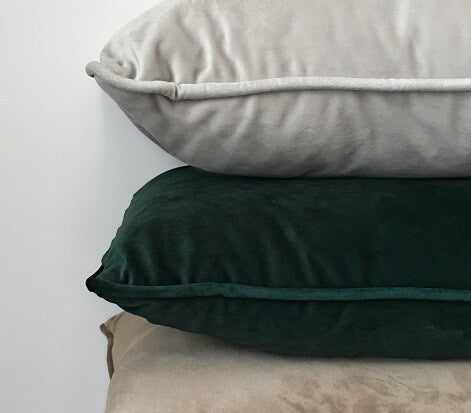
Walk into any contemporary bedroom styled in a boho, maximalist, or eclectic aesthetic, and you'll see the culmination of this history. Layered pillows in various sizes, textures, and personalities—vintage kilim next to hand-blocked Indian cotton next to a velvet moon-phase pillow next to linen with abstract embroidery.
What changed? Design culture stopped demanding everything match. We recognized that collected, varied, personally meaningful objects create more emotionally comfortable spaces than perfectly coordinated sets.
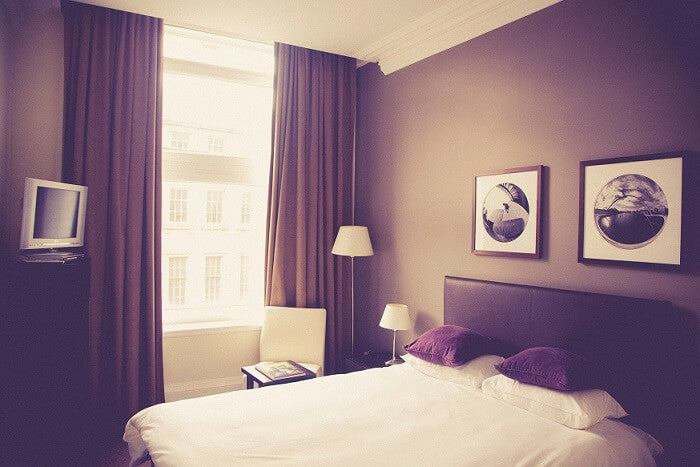
This matters for sleep because **your sleep environment's emotional resonance affects your ability to rest**. A bedroom that feels authentically yours—not staged for a catalog—promotes psychological safety. Those "novelty" elements—the pillow with your favorite color combination, the one from your trip abroad, the vintage find with a pattern that makes you smile—aren't frivolous. They're anchors of comfort.
Today's novelty pillows span:
Celestial and mystical: Moon phases, star maps, zodiac signs, tarot imagery—tapping into the same narrative impulse as Victorian cushions
Botanical illustrations: Sophisticated takes on nature motifs, connecting to Arts and Crafts traditions
Abstract and geometric: Contemporary versions of Art Deco boldness
Cultural textiles: Globally-sourced patterns that honor craft traditions (mudcloth, ikat, shibori, block printing)
Personalized coordinates: Your wedding location, where you met, your hometown—storytelling through specificity
Artisan collaborations: Limited-edition designs by illustrators, painters, and textile artists

What Makes a Novelty Pillow "Good" Design
If you're building a sleep space that balances personality with sophistication, here's what elevates a novelty pillow from gimmick to curated:
Material quality: Natural fibers (linen, cotton, wool) age better and feel better than polyester. A well-made pillow with an unusual design will outlast a generic one in cheap fabric.
Design intention: Is there craft, artistic perspective, or cultural tradition behind it? Or is it just a printed joke?
Scale and proportion: A 12-inch pillow shaped like a cactus works as an accent on a reading chair. Six of them on a bed overwhelms.
Integration: Even eclectic spaces need some connective thread—a color palette, a texture theme, a design era. Your novelty pieces should complement, not clash.
Personal meaning: The best "novelty" pillows tell your story. They're conversation pieces because they actually mean something to you, not because they're designed to shock.
Styling Novelty Pillows for Restful Sleep Spaces
Here's the paradox: decorative pillows on a bed look beautiful but need to go somewhere at night. So how do you embrace the design history and personality of novelty pillows without sabotaging your actual sleep?
The layering system: Use 2-3 sleeping pillows (properly supportive for your sleep position), then layer 2-4 decorative pillows in front. When you turn down the bed, decorative pillows move to a bench, chair, or basket.
The reading nook solution: Save your most personality-rich pillows for a bedroom chair or window seat—spaces where you wind down before sleep. They add character without bed clutter.
The single statement pillow: One large (22-inch or bigger) artisan pillow at the center of your bed can anchor your aesthetic without overwhelming your nighttime routine.
The functional novelty hybrid: Some decorative pillows use quality fill and construction. A hand-embroidered lumbar pillow in linen with buckwheat fill can support reading in bed and look beautiful.
The rotation approach: Like seasonal decor, rotate novelty pillows. This keeps your space feeling fresh and prevents design fatigue.

Why This History Matters for Your Sleep Space
Understanding that novelty pillows have design legitimacy—that they're part of a centuries-long tradition of personalizing rest spaces—gives you permission to trust your instincts. If that hand-painted moon pillow makes you smile when you walk into your bedroom, it's not silly. It's doing exactly what Victorian needlework cushions did: making your rest space emotionally yours.
The boho love of collected, eclectic objects isn't random. It's a return to pre-industrial values: handcraft, global exchange, personal narrative, and the understanding that the most comfortable spaces aren't generic—they're accumulations of meaning.
Your bedroom doesn't need to be a hotel or a catalog spread. It needs to feel like the place where you, specifically, can rest. Sometimes that means a perfectly plain linen pillow. Sometimes it means one embroidered with constellations, made by an artisan who cares about craft. Both are valid. Both have history.
The next time someone dismisses a decorative pillow as "just novelty," you'll know better. You're participating in a design tradition that values personality, craft, and the deeply human need to make rest spaces feel like home.
At Sandman's Shop, we curate decorative pillows that honor this design legacy—artisan-made, globally-sourced, and chosen for both beauty and quality. Explore our collection to find pieces that tell your story and make your sleep space genuinely yours