From Ugly Sweaters to Cozy PJs: Creating Your Family's Holiday Wardrobe


  • Holiday stress and busy schedules disrupt sleep, but the right pajamas and loungewear help signal your body it's time to rest.
  • Quality sleepwear fabrics like cotton, bamboo, and merino wool regulate temperature better than typical holiday outfits, supporting deeper sleep.

Creating a "cozy wardrobe" for your whole family—from babies to grandparents—means choosing comfort over appearance and building wind-down moments into your day.

The holidays arrive with joy, family gatherings, and one exhausting reality: everyone's sleep schedule falls apart. You're running between events, stress levels spike, and suddenly it's midnight and nobody's settled down for bed. Meanwhile, tight sweaters, restrictive waistbands, and scratchy fabrics make it harder for your family to actually rest once they finally get there.

Here's something sleep experts understand that holiday planners often miss: comfort clothing directly impacts sleep quality. When your body feels restricted, warm, itchy, or uncomfortable, your nervous system stays activated. It's nearly impossible to fall asleep in a tight turtleneck or sequined dress. Your brain stays in alert mode, waiting for the discomfort to ease.

This guide walks you through building a holiday wardrobe that actually supports sleep instead of sabotaging it. You'll learn what makes pajamas and loungewear genuinely restful, how to outfit every family member for comfort during the season's busiest weeks, and how comfort-first choices become part of your wind-down routine. Because the best holiday gift you can give your family might just be the chance to actually rest.

Why Holiday Seasons Disrupt Family Sleep

The holiday period creates a perfect storm for sleep problems. Schedules shift. Bedtimes move later. Sugar and caffeine consumption spike. Travel disrupts routines. Decorating happens at 10 PM. Your house fills with guests, unfamiliar schedules, and background noise.

But underneath all that chaos sits a less obvious culprit: what people wear during this season actively works against sleep.

Think about typical holiday clothing. Formal outfits with tight waistbands, restrictive sleeves, and layered fabrics keep your body in a semi-alert state. Even when you finally change into pajamas, many people grab whatever's clean rather than something actually designed for sleep. The result? A wardrobe that says "holiday event" rather than "I'm ready to rest."

Sleep science shows that body comfort directly influences sleep onset and sleep quality. Your core body temperature needs to drop slightly for sleep to deepen. Restrictive clothing prevents that natural temperature regulation. Scratchy fabrics trigger micro-awakenings throughout the night. When your skin feels irritated or your chest feels constricted, your nervous system responds as if there's a threat present.

Children are especially sensitive to this. Kids who wear uncomfortable clothing during the day often show behavioral problems by evening—not because they're misbehaving, but because their nervous systems never fully relaxed. They're carrying tension from uncomfortable clothing into their bedtime routine. Adults experience the same issue but internalize it as general stress rather than recognizing the physical cause.

The solution isn't eliminating holiday celebrations. It's building a wardrobe that lets you participate fully in holiday activities while still supporting your body's natural sleep signals. That means daytime clothing designed for comfort and movement, and eveningwear that actually helps you wind down instead of blocking it.

The Sleep Science Behind Fabric Choices

Not all sleepwear fabrics are created equal, and the differences matter for sleep quality.

Your skin regulates temperature partly through fabric contact. During sleep, your core body temperature naturally drops one to two degrees. Your skin also needs to breathe—moisture evaporates from your body throughout the night. When fabric traps heat or prevents moisture evaporation, your sleep becomes fragmented. You wake partially, adjust position, throw off covers, and restart the sleep cycle. These partial awakenings happen dozens of times per night with the wrong fabric, even if you don't consciously remember them the next morning.

Cotton remains one of the best sleepwear fabrics because it breathes well and wicks moisture. However, not all cotton is equal. Thinner, looser-weave cotton (like pima or supima varieties) outperforms heavy cotton twill. Holiday cotton pajamas often use denser weaves for durability, which actually reduces breathability. Look for pajamas labeled "percale" (crisp, cool) or "jersey knit" (soft, stretchy) for better sleep outcomes.

Bamboo fabric has gained popularity in sleep products for good reason. Bamboo viscose is hypoallergenic, wicks moisture more effectively than regular cotton, and tends to stay cooler throughout the night. It's especially helpful for people who sleep hot or experience night sweats—a problem that often worsens during holiday stress. The downside? Bamboo pajamas cost more than cotton, and they require gentle washing to maintain softness.

Merino wool performs surprisingly well for holiday sleep, especially for cooler climates. This might seem counterintuitive—wool sounds scratchy and warm. But merino wool specifically is fine enough to feel soft against skin and naturally regulates temperature in both directions. When you're cold, it insulates. When you're warm, it wicks moisture away. This makes it excellent for homes where heating fluctuates during the holiday season. However, merino wool requires special care and costs significantly more than cotton or bamboo options.

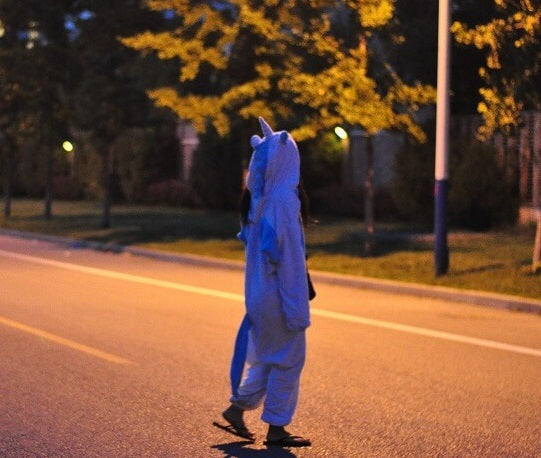
Synthetic fabrics like polyester and nylon present problems for sleep. They trap heat and prevent moisture evaporation, leading to night sweats and fragmented sleep. During the holidays, when stress already elevates cortisol levels and increases nighttime body temperature, synthetic sleepwear makes the problem worse. Many novelty holiday pajamas (character prints, fuzzy styles) use high percentages of synthetics for durability and visual appeal. They look fun but sabotage sleep quality.

The best holiday sleepwear strategy? Invest in quality basics in breathable fabrics, then save the novelty items for daytime loungewear or parties rather than actual sleep. Your family's sleep quality will improve noticeably, even during the busiest season.

Building a Comfort-First Holiday Wardrobe for Everyone

Creating a family wardrobe that supports rest requires thinking differently about clothing categories. Instead of one outfit per person for each event, build a layered approach: comfortable base layers worn throughout the day, event-appropriate pieces worn briefly, and dedicated sleepwear for nights.

For Infants and Toddlers

Babies have the hardest time regulating temperature and communicating discomfort. Holiday stress often extends to infant sleep disruptions—travel, schedule changes, and unfamiliar sleeping spaces create chaos for babies already struggling with sleep.

Start with sleep-specific clothing: footie pajamas in breathable cotton or bamboo, size-appropriate with no extra fabric. Avoid sleepers with decorative elements that might irritate skin. During the day, choose soft rompers or two-piece sets in breathable fabrics that allow easy diaper changes. For holiday events, layer simply—a soft onesie under a cardigan you can remove rather than dressing them in a restrictive outfit for an event lasting two hours.

Safe sleep temperature for babies runs cooler than parents expect. The AAP (American Academy of Pediatrics) recommends a room temperature around 68-72 degrees Fahrenheit. Overheating is a documented risk factor for sleep problems and sudden unexplained nocturnal death syndrome (SUNDS) in infants. During holidays, when you're moving between heated homes and heated venues, keep babies in lighter layers they can shed as needed.

For School-Age Children

Kids this age experience growth spurts and often run warmer than adults. Yet they're still sensitive to uncomfortable clothing that prevents them from relaxing.

Build a rotation of comfortable play clothes in soft, breathable fabrics. Avoid graphic tees with raised designs (they irritate skin). Choose loose-fitting pants or shorts rather than tight waistbands that restrict movement and digestion. During the day, comfort matters more than appearance—kids in comfortable clothes have better behavior and wind down more easily at night.

For sleep, invest in quality pajama sets that actually fit. Kids often wear pajamas from three years ago that have become tight without anyone noticing. Tight sleeves restrict circulation. Tight pants create pressure that prevents comfortable sleep positions. Replace pajamas annually, sizing up if needed. Let kids choose colors or patterns they like—ownership increases their enthusiasm for wearing dedicated sleep clothes, which supports the routine.

For holiday events, dress them comfortably for the activity duration. A two-hour party doesn't require a costume-like outfit. A simple outfit in soft fabrics that allows movement is better than formal wear that makes them cranky and unable to settle at home.

For Teens

Teenagers often resist "pajamas" as too babyish, which means they sleep in whatever they wore that day—jeans, hoodies, t-shirts. This directly sabotages their sleep during a developmental period when they need more rest, not less.

Reframe sleep clothing as loungewear or house clothes rather than pajamas. Sweatpants, joggers, and oversized hoodies in soft fabrics feel like comfort wear rather than baby clothing. Most teens will wear these willingly and benefit from the improved sleep comfort. During holidays, when teen schedules often shift later into the night anyway, establishing comfortable nighttime clothing becomes even more important.

Choose neutral colors and styles so teens feel good wearing them in front of family or friends. The goal is creating a sleep identity that feels age-appropriate and personal to them.

For Adults

Many adults neglect sleepwear entirely, wearing whatever's convenient. Holiday stress amplifies this—you're too busy, too tired, or too overwhelmed to prioritize comfort at night.

This is exactly when dedicated sleepwear matters most. Quality pajamas signal your nervous system that sleep is the next activity. They're noticeably different from daytime clothes, which supports better sleep onset. Choose sets that fit well—not too tight, not baggy—in breathable fabrics.

For cooler holiday climates, consider layering sleep pieces: lightweight thermal tops with regular cotton bottoms, or merino wool sets. For warmer climates or people who sleep hot, invest in bamboo or high-quality cotton. Having multiple sets means you can wash more frequently without running out.

For Grandparents and Elderly Family

Older adults often experience temperature regulation challenges and skin sensitivity. Holiday travel and unfamiliar sleeping spaces make this harder.

Prioritize soft, gentle fabrics that won't irritate sensitive skin. Merino wool actually excels here because temperature regulation prevents the overheating or chilling that disturbs older adult sleep. Ensure sleepwear fits well and doesn't restrict circulation in legs or arms, which can affect already-fragile sleep cycles.

When older family members visit during holidays, their sleep quality often declines due to unfamiliar spaces and disrupted routines. Comfortable sleepwear becomes one of the few things you can control. Send them home with a quality pajama set if they're staying with you—it's a gift that extends sleep benefits for months.

Creating Wind-Down Moments Through Your Holiday Routine

Your actual wardrobe choices matter less than when and how you change into them. Using clothing changes as a ritual signals your body and your family that sleep preparation is beginning.

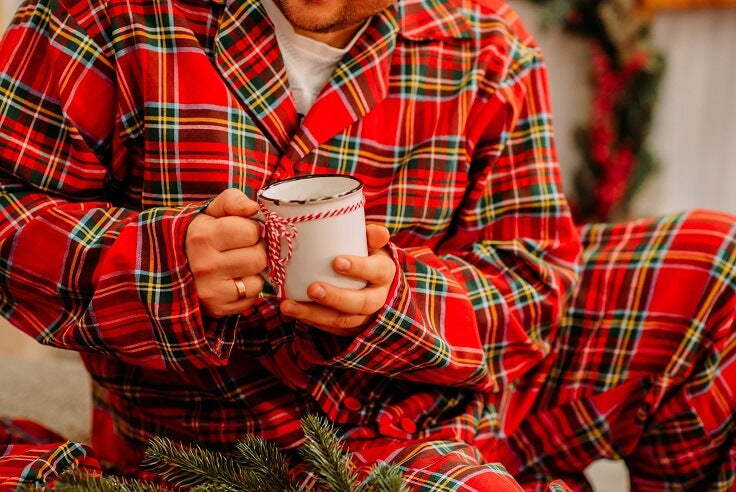
Start by designating a specific time when daytime clothes come off, even during busy holiday periods. This might be 7 PM or 8 PM—not a strict bedtime, but a transition time. Everyone changes into comfortable loungewear or pajamas. This single action reduces household energy noticeably. People move slower. Voices lower. Screen time decreases. Kids stop running and start settling.

The physical sensations matter here. Tight clothes coming off and soft clothes going on create a tangible shift from "go" mode to "rest" mode. Your nervous system recognizes this change. Tight waistbands releasing trigger a physical relaxation response. Soft fabric against skin activates the parasympathetic nervous system—your rest-and-digest mode.

Make this transition a family ritual rather than an individual task. Everyone changes clothes at the same time. It becomes a holiday tradition—not an obligation, but a moment when the household collectively shifts gears.

After changing, build in a wind-down window. This isn't screen-free time necessarily, but calmer time. Slower activities. Lower lights. Lower voices. Warm (non-caffeinated) drinks. The comfortable clothing supports this mood better than daytime clothes ever could.

This routine matters especially for children. A clear transition between active holiday celebrating and sleep preparation prevents the 9 PM crash where kids become overtired, emotional, and unable to sleep. The combination of comfortable clothing plus a designated wind-down time creates predictability that allows their nervous systems to settle.

For families with guests, this might feel awkward initially. But most visitors actually appreciate it. Guests often comment that they sleep better in homes with clear evening routines. The household's calm energy becomes contagious. People relax earlier. Everyone benefits.

Common Holiday Wardrobe Mistakes and How to Avoid Them


Mistake 1: Prioritizing appearance over comfort for evening wear

The scenario: You're hosting a holiday dinner. You want to look nice, so you wear restrictive clothing even though guests are arriving at 6 PM and staying until 10 PM. By evening, you're uncomfortable, irritable, and unable to sleep even hours later.

The fix: Choose beautiful clothing that still allows comfortable movement and breathing. Quality fabrics in nice colors can be both attractive and functional. You don't need to sacrifice appearance, but prioritize comfort in the fit. An outfit that looks good but feels terrible isn't worth it.

Mistake 2: Keeping kids in uncomfortable clothes all day, expecting them to settle at night

The scenario: Kids wear restrictive holiday outfits to school or events, staying uncomfortable for eight hours. Parents then wonder why bedtime is a battle and kids can't sleep.

The fix: Change kids into comfortable clothes as soon as possible after activities end. Even an hour or two in comfortable clothing before bed allows their nervous systems to truly relax. Don't wait until bedtime to address physical comfort.

Mistake 3: Using novelty sleepwear as regular sleep clothing

The scenario: Those cute character pajamas with synthetic fabric feel fun, so everyone wears them nightly. Sleep quality declines because the fabric traps heat and prevents proper temperature regulation.

The fix: Save novelty items for daytime loungewear or parties. Reserve actual sleep clothing for breathable, high-quality fabrics. If your family loves novelty patterns, look for them in breathable cotton or bamboo options, even though they cost more.

Mistake 4: Not replacing pajamas as kids grow

The scenario: You're frustrated that your child won't wear pajamas, resists bedtime, and seems restless all night. You haven't checked pajama fit in three years.

The fix: Measure and replace pajamas annually. Kids grow rapidly. Clothes they fit into easily last year might be slightly tight now, creating subtle discomfort that prevents good sleep. This is such a common overlooked factor in childhood sleep problems.

Mistake 5: Ignoring individual sleep preferences

The scenario: You buy matching family pajamas because they're cute. But your partner sleeps hot while you sleep cold. Your son needs loose legs while your daughter prefers fitted. Everyone ends up uncomfortable and stops wearing them.

The fix: Involve each family member in selecting their own sleep clothes. Let them choose colors, styles, and fits that match their actual sleep needs. Matching pajamas look great in photos, but individualized comfort supports better sleep for everyone.

Practical Holiday Wardrobe Planning

Start by assessing what you already own. Pull out all pajamas and comfortable loungewear. Be honest about fit and fabric. Anything that's tight, irritating, or made of synthetic blends should probably be replaced with better options.

For each family member, aim for three complete pajama sets. This allows for one person to wear while two are in the wash. With multiple sets, you're less tempted to wear yesterday's outfit or sleep in daytime clothes.

Invest quality funds where people spend the most time. If your partner works from home and will wear pajamas during the day, investing in higher-quality merino wool or bamboo makes sense. If your kids sleep nine hours but change outfits constantly during the day, comfortable daytime clothes matter more than fancy sleepwear.

For holiday events, choose versatile pieces you'll wear multiple times. A nice cardigan worn with comfortable pants across several events beats an outfit you'll wear once. Build flexibility into your wardrobe so you can be comfortable across different environments and temperatures.

Shop during regular seasons, not during holiday sales when inventory shifts toward synthetic novelties and poor fits. Summer sales often have lightweight options perfect for fall layering. End-of-season sales offer discounts on quality basics. Smart timing means you're building a functional wardrobe at better prices.

Conclusion: Sleep as a Holiday Gift

The holidays will remain busy, chaotic, and overscheduled. You can't change that reality. But you can control what your family wears while navigating it, and that control has profound effects on sleep quality.

When your family has comfortable, appropriate clothing for sleep, bedtime becomes easier. Kids settle faster. Adults fall asleep quicker. Night wakings decrease. Everyone's mood improves because they're actually rested instead of running on fumes.

This holiday season, give yourself and your family the gift of comfort. Invest in quality sleepwear. Build a wardrobe that supports rest instead of sabotaging it. Create wind-down rituals that begin with changing into comfortable clothes. Watch how your family's sleep quality shifts, not just during the holidays but throughout the year.

Because the best holiday memory isn't the perfect outfit or the fanciest event. It's the feeling of finally being rested, comfortable, and calm with the people you love.


Back to blog