


- Decorative piles are intentional stacks of items that look organized when arranged thoughtfully, unlike chaotic clutter that disrupts sleep quality
- The best bedroom piles follow the rule of odds (groups of 3 or 5), leave 30% empty space, and mix textures to feel curated rather than messy
- A calm, organized bedroom environment supports better sleep by reducing visual stress and creating a peaceful sanctuary for rest

Introduction: Why Bedroom Organization Matters for Sleep
You know that feeling when you walk into your bedroom and everything feels wrong? Maybe there are clothes on the chair, books stacked haphazardly, and blankets draped awkwardly across the bed. It's not just an aesthetic problem. Visual clutter in your sleep space actually disrupts your rest. Your brain recognizes disorganization as unfinished tasks, which keeps your nervous system in a low-level alert mode. This makes it harder to truly relax when you finally get into bed.
The good news? You don't need a minimalist, sterile bedroom to sleep well. There's a sweet spot between chaos and cold emptiness. Decorative piles are the secret. When done right, they're intentional groupings of items that look collected and curated rather than messy. Think of them as styling tools that let you display what you love while keeping your bedroom organized and visually restful. This guide walks you through seven types of decorative piles that actually work in a bedroom, plus how to create them so your space feels like a calm sleep sanctuary instead of a storage unit.
What Are Decorative Piles and Why They Work in Bedrooms
Decorative piles are intentional arrangements of similar items stacked or grouped together. They're not clutter disguised as organization. The difference matters. Real clutter triggers stress because your brain sees it as disorganized. Decorative piles, by contrast, signal control and intention. They say, "I chose to put these here because I love them or use them."
Sleep science tells us that our brains are visual processors. A calm visual environment signals to your nervous system that it's safe to relax. When you see order and intention in your bedroom, your body begins to settle. Your cortisol (stress hormone) levels drop. Your parasympathetic nervous system activates. This is the system responsible for rest, digestion, and recovery. In other words, a well-organized bedroom isn't just pretty. It's a functional tool for better sleep.
The key to making decorative piles work is treating them like an intentional styling choice, not a catch-all for things you don't know where else to put. Every item in your pile should either be something you use regularly or something that genuinely makes you happy to see. Otherwise, it's just clutter with better branding.

How to Create Decorative Piles That Look Intentional
Before diving into specific types, understand the principles that make any decorative pile work. Interior designers use these rules consistently because they actually work.
The Rule of Odds
Group items in odd numbers, specifically three, five, or seven. Our brains find odd-numbered groupings more visually interesting and memorable than even numbers. Three coffee table books stacked together look intentional. Four feel random. This same principle applies to any decorative pile in your bedroom. If you're stacking journals on your nightstand, use three. If you're grouping candles on a shelf, arrange them in groups of three or five.
The 30 Percent Rule
Leave at least 30 percent of any surface empty. This prevents your bedroom from sliding back into cluttered territory. If you have a dresser top, fill 70 percent of it with your styled piles and decorative items. Keep 30 percent bare. This gives your eye places to rest and prevents sensory overload. It's also deeply connected to sleep quality. Research on environmental psychology shows that people sleep better in spaces that don't feel crowded or visually heavy.
Texture Mixing
Combine different materials to make piles look intentional. Stack a smooth ceramic object next to a woven basket. Pair a linen throw blanket with a leather journal. When textures vary, piles feel curated rather than thrown together. In a bedroom, this is especially important because texture also affects how comforting a space feels. Soft textures like woven baskets or chunky knit blankets invite touch and relaxation.
Height Variation
Arrange items at different heights within a pile. A stack of three books works better visually if one is slightly offset. A grouping of candles or plants looks more intentional if some are taller and some shorter. This creates visual rhythm and prevents your eye from getting bored or stressed.

7 Types of Decorative Piles That Organize Your Bedroom
1. Stacked Coffee Table or Design Books
Books are beautiful objects. When chosen thoughtfully, a stack of three to five design, photography, or coffee table books becomes a decorative focal point. These work especially well on nightstands, dressers, or low shelves. The key is selecting books with covers you actually want to look at. A glossy book about Scandinavian interiors or sleep wellness fits perfectly in a bedroom context. It doubles as both decoration and something soothing to browse before sleep. Place a small item like a decorative object or candle on top of the stack to anchor it.
**Pro tip for sleep:** Some people find that reading a design book or memoir for 10-15 minutes before bed is a perfect wind-down activity. It engages your mind gently without the blue light of screens.
2. Rolled Blankets and Throws
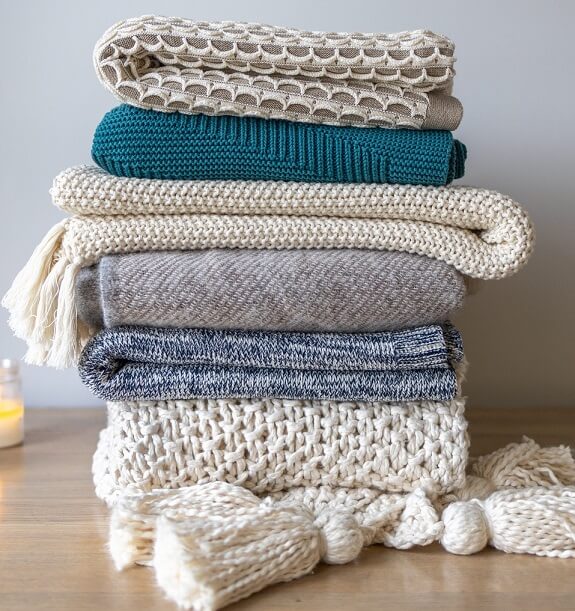
This is a practical decorative pile that serves real function. If you keep an extra weighted blanket, cozy oversized hoodie, or soft throw blanket at the foot of your bed or on a chair, roll it tidily and stack three together. This looks intentional and keeps them accessible without draping chaos across your furniture. Rolled blankets grouped in a wooden basket or on an open shelf create texture, warmth, and invitation.
The psychology here is powerful. Seeing soft, cozy textures in your bedroom literally makes you feel calmer. Your brain recognizes them as comfort items. If you use weighted blankets or oversized sweatshirts as part of your sleep routine, a styled display of them reinforces your commitment to restful comfort.
3. Candles Grouped by Height
Three to five candles arranged at varying heights on a dresser or shelf create instant ambiance while looking intentional. Choose candles with similar aesthetic (all white, all earth tones, or a cohesive color palette). The varying heights are key. A tall pillar candle next to a shorter votive next to a medium jar candle creates visual interest. Fragrance matters here too. In your bedroom, choose calming scents like lavender, chamomile, or cedarwood, which research shows support relaxation.
Sleep connection: Burning a pleasant, calming scent 30 minutes before bed signals to your brain that sleep is coming. It becomes part of your wind-down ritual.
4. Stacked Decorative Boxes or Baskets
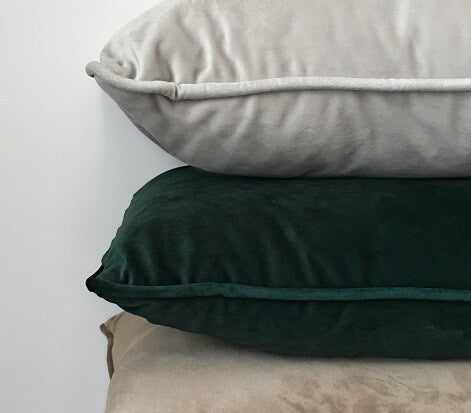
Decorative storage boxes or woven baskets stacked in a corner or against a wall solve a real problem while looking beautiful. These work perfectly for storing items you don't display but need access to. Think extra pillows, seasonal blankets, or sleep aids. Stacking them in groups of two or three creates height variation and visual interest. Choose baskets or boxes in complementary textures and neutral colors so they feel calming rather than chaotic.
5. Arranged Journaling and Self-Care Items
A pile of journals, pens, a meditation cushion, or a sleep journal creates a personal wellness corner. Group three to five items related to reflection and rest together on a shelf or nightstand. This could include a beautiful journal, your favorite pen, a small plant, and a sleep wellness guide. Arranged intentionally, this pile becomes a visual reminder of self-care. Every time you see it, you're reminded of your commitment to better rest.
6. Layered Bedding and Pillows
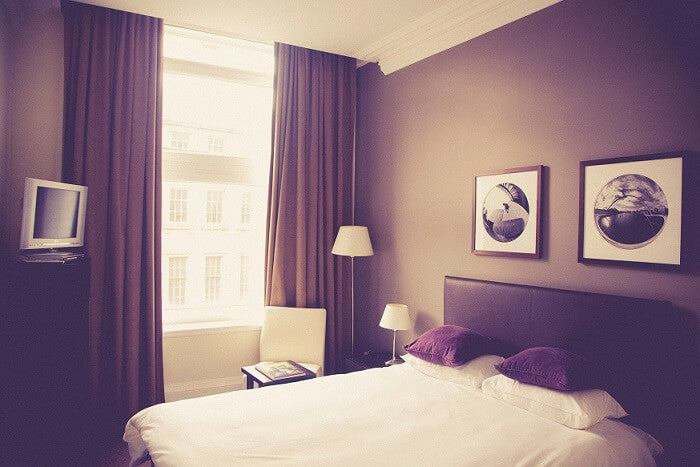
Your bed itself is a decorative pile. Intentionally arrange pillows and layered bedding to look curated. Three to five pillows in varying sizes, heights, and textures create an inviting sleep space. Add a decorative blanket or throw folded neatly across the foot or side. This isn't clutter. It's actively styling your most important sleep furniture. The visual abundance says, "This is a place designed for comfort and rest." And when your bed looks that inviting, you're more likely to actually use it for sleep instead of work or scrolling.
7. Personal Collections with Purpose
Maybe you collect small sleep wellness items, beautiful tea cups for bedtime tea, or calming artwork. Whatever brings you joy, display three to five meaningful pieces together. A collection of blue and white ceramics. Three favorite scented oils. A grouping of small plants. The principle remains the same: odd numbers, intentional selection, mixed textures. Your bedroom isn't a museum, but it can be a gallery of things that make you feel rested and cared for.

Common Mistakes to Avoid When Creating Decorative Piles
The most common mistake is including items you don't actually use or love. If you stack books you've never read or keep candles you don't burn, your brain recognizes this as false organization. It's still visual stress. Every item in your decorative pile should answer yes to this question: "Do I use this regularly or does it genuinely make me happy to see it?"
Another mistake is forgetting the 30 percent empty space rule. When every surface is full, nothing looks intentional. Everything looks cluttered. Your bedroom will feel overwhelming. Stick to the principle: 70 percent styled, 30 percent empty.
People also forget to edit their piles. A decorative pile that looked great three months ago might feel tired now. Rotate items seasonally. Swap out the throw blanket color, change the candle, replace one book with another. This keeps your space feeling fresh and engaging rather than static or stale.
Finally, don't mix styles randomly. If your bedroom has a calm, neutral aesthetic, don't suddenly add a bright neon decorative object to a pile. Decorative piles work because they feel cohesive. They match the overall feeling you're creating. Stick to a color palette and texture story, and let your piles support that narrative.
Specific Styling Tips for Different Bedroom Spaces
If your bedroom is small, keep piles to one or two areas maximum. A nightstand stack and a dresser grouping might be all the space allows. Better to have two beautiful, intentional piles than five scattered ones that make a tiny room feel cramped. Small bedrooms need breathing room even more than larger ones.
In larger bedrooms, you can support more piles. A bookshelf arrangement, a basket tower, a pillow stack, and a candle grouping might all coexist without feeling chaotic. Just remember the 30 percent empty space rule applies to the whole room too.
If your style is minimalist, decorative piles might feel counterintuitive. But remember, one beautiful, simple stack of three white books is still minimalist. It's still intentional and calm. You don't need many piles, but you can have them.
For eclectic or maximalist sleepers, decorative piles are your playground. You can have more of them, include more variety, and play with color and texture. The 30 percent empty space rule still applies though. Even maximalist spaces need visual rest.

The Sleep Environment Connection
Here's what matters most: your bedroom environment directly affects your sleep quality. A disorganized, cluttered bedroom keeps your nervous system activated. You'll lie awake thinking about what you should organize. Your mind won't settle. Decorative piles solve this by making organization beautiful and visible. You're literally showing your brain that everything is under control.
Additionally, a thoughtfully decorated bedroom becomes a place you actually want to be. Sleep deprivation is often about avoidance. If your bedroom feels chaotic, you'll find reasons to stay up scrolling, working, or worrying. But if your bedroom feels like a sanctuary—curated, calm, and beautiful—you'll look forward to spending time there. You'll actually want to go to bed.
Conclusion and Next Steps
Decorative piles aren't about perfection. They're about intention. When you arrange items thoughtfully using the principles of odd numbers, empty space, texture mixing, and height variation, your bedroom transforms. It stops feeling like a place where things accumulate and starts feeling like a space you've curated for rest.
Start with one pile. Choose a surface that matters to you, like your nightstand or dresser. Select three to five items you actually use or love. Arrange them using the principles in this guide. Notice how it changes the feeling of your room. Does it feel calmer? More intentional? More restful?
From there, gradually add more piles to other surfaces. Remember to keep 30 percent empty space. Keep your aesthetic cohesive. And most importantly, keep only items that serve you or bring you joy. Your decorative piles are permission to surround yourself with things that support your rest. That's not indulgence. That's sleep hygiene.
Sweet dreams start with a space that invites them.