

Why Pajama Bottoms Make Reliably Great Gifts, and How to Choose the Right Pair for Someone Else
There's a specific kind of gift satisfaction that comes from watching someone actually use what you gave them. Not display it on a shelf or tuck it in a drawer, but genuinely incorporate it into their daily life. Pajama bottoms occupy this rare territory; they're practical without being boring, personal without being intrusive, and comfortable in a way that registers every single night.
But here's the challenge: choosing pajama bottoms for someone else requires more thought than grabbing your own pair. You're not just picking a size. You're considering their sleep temperature, their bedroom climate, whether they're a restless sleeper or a still one, and whether they prioritize softness over breathability or vice versa. Get it right, and you've given someone better sleep for months or years. Get it wrong, and those pajamas live at the bottom of the drawer.
This guide walks through the actual decisions involved in choosing pajama bottoms as a gift, so you can give something that gets worn, not stored.
Why Pajama Bottoms Work as Gifts When So Many Clothing Items Don't
Most clothing gifts carry risk. Will they like the style? Does it fit their aesthetic? Will the size be right? Pajama bottoms sidestep many of these pitfalls for a few specific reasons.
First, they're functionally forgiving. A pair of jeans that's slightly off in the waist feels wrong all day. Pajama bottoms with an elastic or drawstring waist accommodate a range of sizes and body fluctuations without discomfort. The stakes are lower, but the comfort payoff is immediate.
Second, pajamas occupy private space. There's no workplace dress code, no social expectation, no need to match anyone else's taste but the wearer's. Even someone with highly specific fashion preferences often cares less about pajama aesthetics and more about how they feel. That shifts the gift equation heavily toward getting the experience right rather than the look.
Third, quality pajama bottoms are something many people underinvest in for themselves. They'll spend thoughtfully on outerwear or shoes, then grab whatever's cheapest for sleeping. A gift of genuinely good pajama bottoms introduces someone to a level of comfort they wouldn't have prioritized on their own, which makes the gift feel both generous and eye-opening.
Matching Fabric to Sleep Environment and Personal Temperature
The single most important decision when choosing pajama bottoms for someone else isn't color or style, it's fabric. This determines whether they'll be too hot, too cold, or just right, which affects both immediate comfort and long-term wear.
For hot sleepers or warm climates: Lightweight, breathable fabrics are non-negotiable. Cotton voile, linen blends, or bamboo-derived fabrics allow airflow and wick moisture without clinging. If the person you're buying for kicks off blankets at night, tends to sleep with a fan on, or lives somewhere with warm nights, choose the lightest-weight option you can find. Avoid flannel, fleece, or anything described as "cozy" or "brushed", those are insulation terms, and insulation is the enemy of a hot sleeper.
For cold sleepers or chilly environments: Flannel is the obvious choice, but not all flannels are equal. Heavier-weight flannel (usually 5-6 ounces per square yard) provides genuine warmth, while lightweight flannel is more about softness than insulation. If someone is genuinely cold at night, they're under multiple blankets, they wear socks to bed, look for brushed cotton, heavyweight flannel, or fleece-lined options. The slightly fuzzy interior texture creates tiny air pockets that trap body heat.
For temperature-neutral sleepers: Mid-weight jersey cotton or cotton blends work well. They're soft without being too warm, breathable without being thin. This is your safest bet if you're uncertain about someone's sleep temperature or if they live somewhere with variable seasons.
For sensitive skin: Pure, unblended fabrics generally cause less irritation than synthetic blends. 100% cotton, 100% linen, or high-percentage bamboo fabrics (look for at least 95%) minimize the chemical finishes and synthetic fibers that can trigger skin reactions. Avoid anything with elastic directly against the skin at the waistband, look for fabric-covered elastic or drawstring-only waists.
Style Considerations That Actually Affect Sleep Comfort
Style isn't just aesthetics when it comes to sleepwear, cut and fit directly impact how well someone sleeps.
Straight-leg vs. tapered: Straight-leg or slightly relaxed cuts allow for more movement during sleep. If the person you're buying for is a restless sleeper, tosses and turns, or tends to shift positions frequently, avoid tapered or fitted styles that can twist or bunch. Straight cuts also work better for people who get warm at night, as there's more air circulation around the legs.
Full-length vs. cropped: This is partly personal preference, but consider climate and blanket use. Someone who sleeps under heavy blankets or in a warm room often prefers cropped or ankle-length bottoms to avoid feeling restricted or overheated at the ankles. Full-length works better in colder environments or for people who sleep with lighter covers.
Pockets: Surprisingly important for many people. Some sleepers like having a pocket for a phone, lip balm, or tissues within reach. Others find pockets add bulk or create pressure points when lying on their side. If you know the person keeps things bedside, pockets are a thoughtful detail. If you're unsure, pocket-free is safer.
Waistband construction: Elastic waistbands work for most body types but can create discomfort if they're too tight or too loose. Look for wide elastic (at least 1.5 inches) that distributes pressure rather than cutting in. Drawstring waists offer adjustability, which is valuable in a gift context, it gives the recipient control over fit. Combination elastic-and-drawstring waistbands are often ideal: the elastic provides structure, the drawstring allows personalization.
How to Get Sizing Right for Someone Else
Sizing is the most anxiety-inducing part of gifting clothing. Here's how to navigate it for pajama bottoms specifically.
Check their current loungewear: If you have access (partner, roommate, close family), look at the size tags in their existing pajamas or sweatpants. Sleepwear sizing is often more consistent than regular clothing, especially within the same fabric type.
Know that sleep sizing runs larger: Many people size up in pajamas for comfort. Someone who wears a medium in jeans might prefer a large in pajama bottoms for the looser fit. When in doubt between two sizes, go larger; it reads as "comfortable" rather than "doesn't fit."
Look for adjustable features: Drawstring waists, elastic waistbands, and relaxed cuts are your insurance policy against sizing mistakes. If the pajamas have these features, you have much more room for error.
Consider gift receipts thoughtfully: For anyone beyond your immediate household, include a gift receipt. Frame it as "just in case you'd prefer a different fabric weight" rather than "in case these don't fit", it removes the size anxiety from the equation entirely.
When to Choose Matching Sets vs. Bottoms Only
Pajama bottoms as a standalone gift work surprisingly well, often better than full sets.
Bottoms-only makes sense when: The person has strong preferences about upper-body sleepwear (some people only sleep in old t-shirts, others prefer tank tops or nothing at all), when you want to give a higher-quality item at a moderate price point (you can invest more in excellent bottoms alone than mediocre full sets), or when the gift is for someone who gets warm at night and rarely wears pajama tops.
Sets make sense when: You know the person enjoys coordinated sleepwear, the set offers a specific fabric or feature that works better as a pair (like matching lightweight linen), or you're giving the gift as part of a relaxation or self-care theme where the full outfit contributes to the experience.
Don't default to sets just because they seem more "complete." Bottoms alone, chosen thoughtfully, are a complete gift.
Getting the Details Right: Colors, Patterns, and Personal Taste
Since pajamas are private, you have more freedom with colors and patterns than you would with public-facing clothing, but a few guidelines help.
For someone whose style you don't know well: Solid colors in neutral or jewel tones work across most preferences. Navy, charcoal, forest green, burgundy, or deep purple read as intentional rather than generic. Avoid baby colors (baby blue, pale pink) unless you know that's their aesthetic, they can read as juvenile.
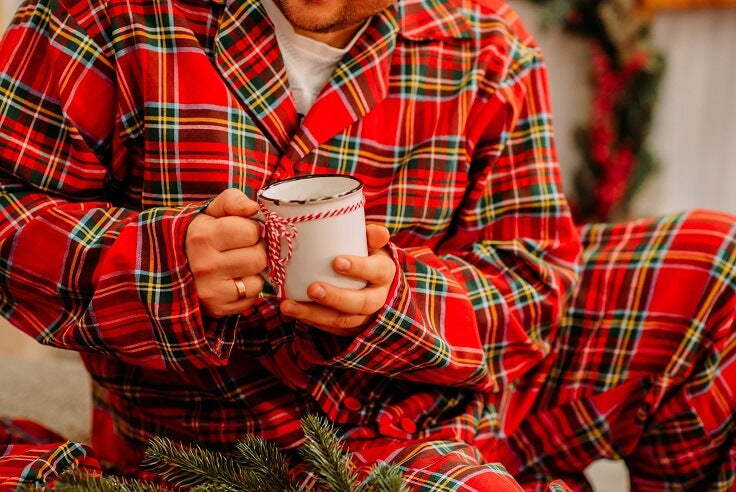
Patterns are safe in specific contexts: Classic plaids, simple stripes, and small-scale prints feel traditional and appropriate. Novelty prints (holiday themes, cartoon characters, bold graphics) are wonderful if you know that matches the person's humor, but risky if you don't.
When in doubt, consider texture over pattern: A solid-colored fabric with interesting texture (waffle weave, slub cotton, subtle jacquard) provides visual interest without requiring you to guess their pattern preferences.
Price Points and What They Mean in Pajama Quality
Pajama bottoms span a wide price range, and understanding what you're paying for helps you choose appropriately for different recipients and occasions.
Budget range ($15-30): Usually cotton or cotton-poly blends with basic construction. These work well as stocking stuffers, casual gifts for acquaintances, or situations where you're providing comfortable basics. Expect standard durability, they'll last a season or two with regular washing.
Mid-range ($30-60): This is where you typically find pure natural fibers (100% cotton, linen, or bamboo), better construction (reinforced seams, quality elastic, functional drawstrings), and more thoughtful design details. This range works well for most gift-giving occasions; birthdays, holidays, thank-you gifts, where you want to show care without being extravagant.
Premium range ($60+): Features superior fabrics (heavyweight flannel, luxury modal, organic textiles), exceptional construction, and often better fit engineering. These make sense for very close relationships, milestone gifts, or when you're specifically giving the gift of upgraded comfort to someone who would never splurge on themselves.
The right price point depends less on your budget and more on your relationship and the gift's context. A carefully chosen $35 pair of pajama bottoms for a friend can be more meaningful than a $100 pair chosen carelessly.
The Practical Gift-Giving Timeline
When you order matters for pajama bottom gifts.
For holiday or birthday gifts: Order at least two weeks ahead if possible. This gives you time to handle any sizing exchanges while still presenting the gift on time. If the pajamas come in special packaging or gift boxes, factor in extra shipping time.
For "just because" gifts: These have the luxury of flexible timing. You can wait for the right item to be in stock in the right size rather than settling for available options.
For seasonal transitions: Gifting flannel pajamas in early fall or lightweight ones in late spring shows forethought. The recipient gets immediate use, which reinforces your attentiveness.
Frequently Asked Questions
Q: Should I wash pajama bottoms before giving them as a gift?
A: No, leave them in original packaging with tags attached. This preserves the gift presentation and allows for exchanges if needed. The recipient can wash before first use according to their preferences.
Q: Are pajama bottoms appropriate for people I don't know extremely well?
A: Yes, more so than most clothing gifts. Because they're functional sleepwear rather than fashion statements, they carry less risk of missing someone's personal style. Focus on quality fabric and neutral colors for acquaintances or colleagues.
Q: How do I choose between cotton and bamboo fabrics?
A: Cotton is tried-and-true: durable, breathable, and gets softer with washing. Bamboo-derived fabrics are silkier, slightly more temperature-regulating, and work especially well for people with sensitive skin. Both are excellent choices; cotton feels more traditional, bamboo feels more luxurious.
Q: What if I don't know whether someone sleeps hot or cold?
A: Choose mid-weight jersey cotton or lightweight cotton in a relaxed fit. These work across the broadest range of sleep temperatures. Avoid the extremes (heavy flannel or very thin voile) unless you're certain about their needs.
If you're looking for pajama bottoms that genuinely improve someone's sleep comfort, explore the collection at Sandman's Shop, where fabrics are chosen for real sleep performance and comfort that lasts beyond the first wash.