

How the Oversized Sweater Became the Ultimate Comfort Statement in Women's Fashion
There's something quietly revolutionary about pulling on an oversized sweater. It's not just the softness or the way it envelops you; it's the permission it gives you to take up space, to prioritize comfort, to dress for yourself rather than someone else's gaze.
The oversized sweater didn't enter women's closets as a trend. It arrived as a quiet rebellion against decades of restrictive, uncomfortable, and often painful fashion. And its journey from menswear staple to women's wardrobe essential tells us something important about how we've redefined comfort, autonomy, and what it means to dress for ourselves.
The Fitted Prison: What Women Were Wearing Before
To understand why the oversized sweater mattered, you need to know what came before it.
Through the 1950s and into the early 1960s, women's fashion was obsessed with structure. Girdles, bullet bras, pencil skirts, cinched waists, everything was designed to shape, control, and display the female body. Comfort was barely a consideration. Sweaters, when women wore them at all, were fitted close to the body, often worn with rigid undergarments underneath.
This wasn't just about aesthetics. Tight, structured clothing sent a message about who women were supposed to be: decorative, contained, manageable. Fashion reinforced social expectations in very literal ways.
By the late 1960s and early 1970s, something started to shift. Women weren't just entering the workplace in larger numbers; they were demanding equal treatment, reproductive rights, and freedom from social scripts that no longer fit. And they started dressing differently too.
Borrowing from the Boys: The 1970s Revolution
The oversized sweater entered women's fashion through a simple act: borrowing from men's closets.
In the 1970s, women began intentionally wearing menswear pieces; not as novelties, but as genuine wardrobe staples. Oversized button-downs, blazers, and yes, sweaters became ways to signal something new. This wasn't about looking masculine. It was about claiming the comfort, ease, and freedom of movement that menswear had always offered.
The oversized sweater became particularly significant because it did several things at once. It obscured rather than displayed the body. It prioritized warmth and softness over shape. And it came from a place of genuine comfort; the kind of ease that women's fashion had historically denied.
Fashion historians point to several cultural moments that crystallized this shift. Diane Keaton's wardrobe in "Annie Hall" (1977), full of oversized menswear pieces, vests, and loose layers, became iconic not because it was eccentric, but because it felt real. It looked comfortable. It looked like someone dressing for herself.
Around the same time, designers like Sonia Rykiel were reimagining knitwear entirely, creating pieces that draped and moved rather than clung. Her "Poor Boy" sweaters challenged the fitted cardigans that had dominated women's knitwear for decades.
The 1980s: Making It Official
By the 1980s, the oversized sweater wasn't just borrowed, it was redesigned specifically for women, but on women's terms.
This is when we see the emergence of the "boyfriend sweater" as an actual fashion category. Designers created deliberately oversized pieces with dropped shoulders, elongated sleeves, and relaxed fits. Brands like Gap and J.Crew made these pieces accessible and mainstream, while high-fashion designers incorporated oversized knits into collections that felt both luxurious and lived-in.
What's interesting about this era is that oversized didn't mean shapeless or frumpy. Women paired oversized sweaters with fitted jeans, leggings, or slim skirts, creating silhouettes that felt balanced but comfortable. The message was clear: you could be put-together without being constricted.
The popularity of aerobics and dance-inspired fashion in the 1980s also played a role. As more women embraced active lifestyles, clothing that allowed movement became not just acceptable but desirable. The oversized sweater fit perfectly into this new paradigm, it was something you could actually live in.
The Comfort Revolution Continues
Through the 1990s and 2000s, the oversized sweater cemented its place as a wardrobe essential. Grunge fashion embraced it as part of an anti-fashion statement. Minimalist designers like Jil Sander elevated it into understated luxury. And everyday women simply kept wearing them because they worked.
What emerged was something more significant than a trend: a permanent shift in how women approached comfort in their daily lives. The oversized sweater became shorthand for ease, for being at home in your body, for choosing how you present yourself rather than conforming to external expectations.
This shift in daytime fashion had an interesting parallel in sleepwear and loungewear. As women claimed the right to comfortable clothing during the day, expectations around what to wear at home and to bed also evolved. The matching pajama set and frilly nightgown lost ground to comfortable, oversized pieces that felt more like the clothes women actually wanted to wear.
Why the Oversized Sweater Still Matters
Today, the oversized sweater is so common we might not think about its origins. But its significance hasn't diminished.
In a culture that still scrutinizes women's bodies constantly, choosing clothing that prioritizes your comfort over others' opinions remains meaningful. The oversized sweater represents a refusal to shrink, literally and metaphorically. It's clothing that accommodates your body rather than demanding your body accommodate it.
There's also something deeply restful about oversized, soft clothing. When you're home, trying to unwind after a long day, what you wear affects how you feel. Restrictive clothing keeps your nervous system activated. Soft, loose layers help signal to your body that it's safe to relax.
This is why the oversized sweater has become such a staple of loungewear and at-home comfort. It's not just aesthetically pleasing, it functionally supports the transition from day to evening, from alertness to rest. When you pull on that oversized knit, you're giving your body permission to soften, to slow down, to prepare for sleep.
The Modern Oversized Sweater
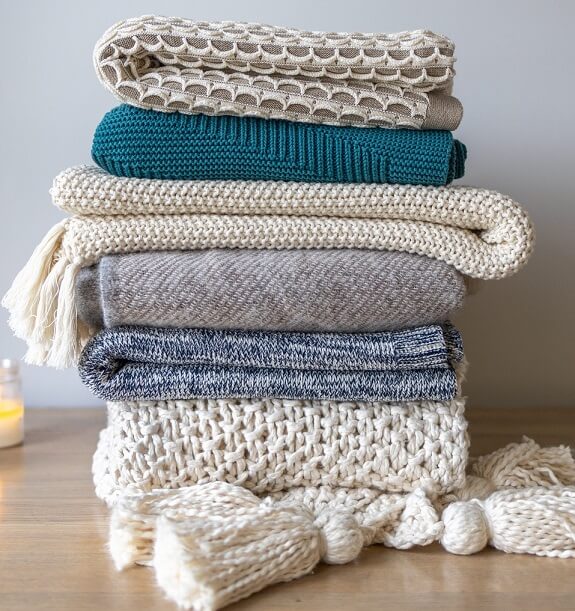
Today's oversized sweaters have evolved considerably from their menswear origins. Modern versions come in fabrications specifically designed for softness and comfort; cashmere blends, brushed cotton, plush fleece, and cloud-like knits that prioritize how they feel against skin.
Many contemporary versions are designed with features that enhance their comfort and versatility: thumbholes to keep sleeves in place, longer backs for coverage, and carefully considered proportions that look intentionally oversized rather than ill-fitting.
The oversized sweater has also become a bridge piece; something that works for both public and private life, something you can wear out during the day and curl up in at night. This versatility speaks to how thoroughly the comfort revolution has taken hold. We no longer accept that comfort is something reserved only for private spaces.
From Fashion Statement to Sleep Essential
The history of the oversized sweater matters because it illustrates a larger truth: comfort isn't frivolous. The fight to dress comfortably was part of a broader fight for autonomy, for the right to move through the world on your own terms.
And that fight continues in smaller, daily ways, including in how we create environments that support genuine rest. What you wear to bed, how your bedroom feels, whether you've prioritized your own comfort, these aren't shallow concerns. They're foundational to your wellbeing.
The oversized sweater reminds us that we can choose softness. We can take up space. We can prioritize how something feels over how it looks. And those choices matter, especially when we're trying to build lives that include real rest and genuine ease.
Frequently Asked Questions
Q: When did oversized sweaters become popular for women?
A: Oversized sweaters gained traction in women's fashion during the 1970s, when women began deliberately wearing menswear pieces as part of broader cultural shifts around comfort and autonomy. By the 1980s, designers were creating oversized sweaters specifically for women, and they became a mainstream wardrobe staple.
Q: Why are oversized sweaters considered comfortable?
A: Oversized sweaters prioritize ease over restriction, they allow full range of movement, don't constrict the body, and typically use soft fabrications. This combination helps your nervous system relax, making them ideal for unwinding and transitioning to rest.
Q: What makes a sweater "oversized" versus just large?
A: True oversized sweaters are intentionally designed with proportions like dropped shoulders, elongated sleeves, and relaxed torsos that create a specific aesthetic. They're meant to look deliberately oversized rather than simply being the wrong size, with careful attention to how they drape and move.
If you're drawn to the comfort and ease of the oversized sweater, you'll appreciate our collection of oversized loungewear designed specifically for ultimate at-home comfort. Each piece prioritizes the same softness and freedom that made the oversized sweater a wardrobe revolution, because choosing comfort will never go out of style.