



What Makes a Blanket Genuinely Cozy? The Science Behind That Instant Comfort Feeling
You know the feeling. You pull a blanket over yourself, and within seconds, something in your nervous system relaxes. Your shoulders drop. Your breathing slows. You've found your blanket, the one that doesn't just cover you, but actually soothes you.
And then there's the other experience: a blanket that's technically warm, maybe even expensive, but somehow leaves you feeling... nothing. No comfort. No coziness. Just fabric.
The difference isn't in your head. Coziness has measurable physical properties, and understanding them means you'll never waste money on a blanket that disappoints again.
The Weight-to-Warmth Ratio Nobody Talks About
Here's what most blanket descriptions get wrong: they conflate warmth with coziness. But a genuinely cozy blanket creates what sleep researchers call "optimal microclimate", a stable temperature zone between your skin and the blanket that prevents both chilling and overheating.
The magic happens when a blanket has enough weight to create gentle pressure (triggering your parasympathetic nervous system, your body's relaxation response) without trapping so much heat that you start sweating within twenty minutes.
This is why a lightweight fleece blanket can feel warm but not cozy, it has no pressure component. And why a thick, non-breathable blanket might feel comforting for ten minutes before you're kicking it off, overheated and irritated.
The ideal weight depends on the season and your personal temperature regulation, but for year-round coziness, look for blankets between 10-15% of your body weight if you want therapeutic pressure, or 3-5 pounds for layering blankets that add gentle weight without the full weighted blanket experience.
Why Texture Matters More Than Softness
Run your hand across a plush fleece blanket. Now run it across a cotton waffle weave. Both can be "soft," but they create completely different sensory experiences, and your nervous system responds differently to each.
Smooth, uniform textures (like minky or flat fleece) tend to feel immediately soft but can read as "slippery" to your skin. There's less friction, which means less sensory feedback. For some people, especially those with sensory processing sensitivity, this lack of texture can feel subtly unsettling rather than calming.
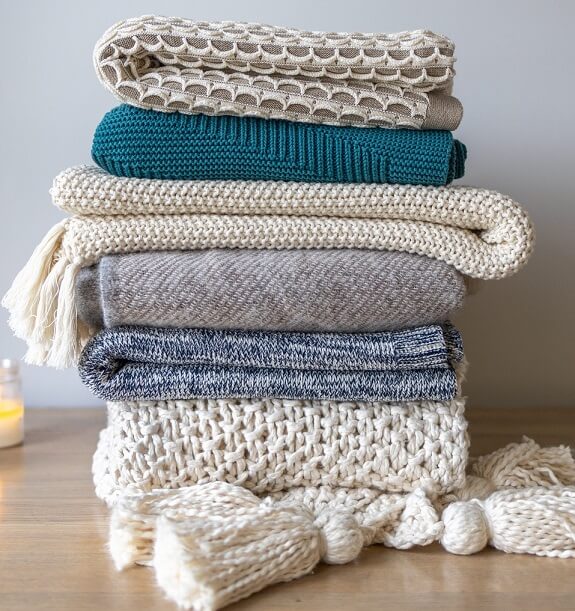
Textured fabrics; waffle weaves, cable knits, or even lightly brushed cotton, provide more tactile information. Your skin "grabs" slightly with each movement, which actually helps your brain locate your body in space (proprioception). This can be deeply grounding, especially if you deal with anxiety or restlessness at night.
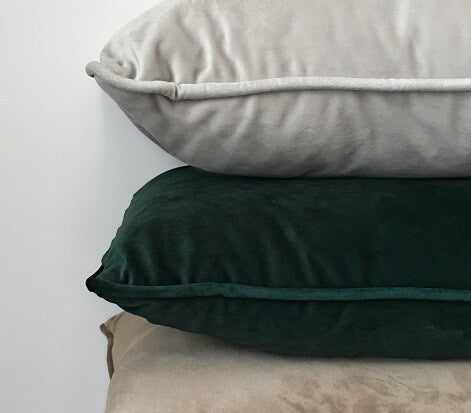
Here's the lesser-known part: the direction of texture matters too. Fabrics with a directional nap (like velvet or sherpa) feel different depending on which way you stroke them. Some people find this variety stimulating and pleasant; others find it subtly irritating. If you've ever had a blanket that "felt wrong" but you couldn't explain why, directional texture might have been the culprit.
The Breathability Paradox
A cozy blanket needs to breathe, but not too much. This is where blanket shopping gets genuinely confusing, because the marketing rarely explains this balance.
Tightly woven synthetic fabrics (polyester fleece, most plush throws) trap warmth efficiently but don't allow moisture vapor to escape. In the first 15 minutes, this feels wonderful. By hour two of sleep, you're in a humid microclimate that disrupts your body's natural temperature drop, a critical component of deep sleep.
On the opposite end, loosely woven cotton or linen blankets breathe beautifully but may not provide enough insulation on their own, especially in cooler rooms. You stay dry, but you never quite reach that cocooned feeling.
The sweet spot: layered breathability. Natural fibers (cotton, bamboo, Tencel) that wick moisture but in a weight or weave dense enough to trap warmth. Or, if you love the feel of fleece or plush fabrics, choose ones with a looser knit structure rather than tight, dense piles.
A simple test before buying: hold the fabric up to light. If absolutely no light passes through, it's probably too dense for all-night comfort. If you can clearly see through it, it won't feel cozy in temperatures below 70°F.
The Hidden Role of Drape and Flexibility
This is the property almost nobody considers, but it's why some blankets feel like a hug and others feel like a tarp.
Drape refers to how fabric falls and conforms to your body's contours. A blanket with good drape settles gently over your shoulders, tucks naturally into the space along your sides, and moves with you when you shift position. Poor drape means the blanket bridges across your body, creating air gaps that let warmth escape and prevent that enveloping sensation.
Natural fibers generally drape better than synthetics because the fibers themselves have more flexibility. But weight plays a role too, a lightweight material needs to be very supple to drape well, while heavier fabrics can achieve good drape even with stiffer fibers, simply through gravitational conforming.
Cable knit cotton blankets excel at this. So do quality wool blends. Most fleece blankets, despite being soft, have poor drape, they're too "bouncy" and structured to truly settle around you.
If you're shopping online and can't feel the blanket in person, check the fabric content and weight together. A 100% cotton blanket over 2 pounds will almost certainly drape well. A polyester blanket under 1.5 pounds probably won't, no matter how soft it feels.
Temperature Regulation: The Make-or-Break Factor
Your core body temperature needs to drop by about 2-3 degrees Fahrenheit for you to fall asleep. A blanket that fights this natural thermoregulation, no matter how soft or weighted, will undermine your sleep quality.
The coziest blankets work with your body's temperature fluctuations:
In the first sleep cycle (light sleep transitioning to deep sleep), you're generating less body heat. A cozy blanket provides enough insulation to prevent heat loss that would wake you.
In REM sleep (typically 90 minutes after falling asleep), your body's temperature regulation becomes less efficient. You need a blanket that releases excess heat rather than trapping it.
Natural, breathable fibers handle this dance effortlessly. Bamboo and Tencel (lyocell) are particularly good, they're more absorbent than cotton and actively wick moisture away from skin, creating an evaporative cooling effect when you warm up.
Synthetics require more careful selection. Look for "cooling fleece" or fabrics with moisture-wicking treatments. Or embrace layering: a temperature-regulating sheet or lightweight blanket underneath, with your cozy throw on top for the weight and softness you crave.
The First-Touch vs. All-Night Comfort Split
Here's an uncomfortable truth from someone who's tested dozens of blankets: the blanket that feels most amazing in the store is often not the one that serves you best through a full night's sleep.
First-touch appeal, is dominated by surface texture and warmth retention. Ultra-plush, thick fleece blankets win this test every time.
All-night comfort requires the properties we've discussed: breathability, appropriate weight, good drape, and temperature regulation. These qualities don't always announce themselves in a ten-second touch test.
When you're evaluating blankets, ask yourself: "Does this feel cozy or does it feel like it would stay cozy?" Run your hand under the blanket and leave it there for 30 seconds. Does moisture start to build? That's a red flag for overnight use. Bunch the fabric in your hand. Does it stay bunched or naturally relax and drape? The latter is better for sleep.
If you're shopping online, read reviews specifically for complaints about overheating or the blanket "not feeling the same after a few hours." These reviewers have identified the first-touch vs. all-night split for you.
The Edge Finish Detail You've Never Considered
This seems minor until you experience it: how a blanket's edges are finished dramatically affects how cozy it feels to pull it up to your chin or wrap it around your shoulders.
Rough, serged edges (the overlock stitching on many fleece blankets) can scratch against your face and neck. Satin binding, popular on many throws, feels slippery and cool, pleasant for some, but jarring for others who've just been enjoying a textured, warm fabric.
The coziest finish? Folded and stitched hems in the same fabric as the blanket body, or very soft blanket binding that matches the warmth and texture of the main fabric. This creates sensory continuity, no surprises when the edge touches your skin.
If you have a favorite blanket that's perfect except for scratchy edges, this is actually fixable. Soft bias tape or even a strip of jersey knit fabric hand-stitched over the existing edge can transform the experience.
Finding Your Personal Cozy Formula
Coziness isn't universal, it's the intersection of these physical properties with your unique sensory preferences and sleep environment.
If you run cold: Prioritize insulation and weight over breathability. Look for cotton fleece, wool blends, or layered blankets. Accept that you may need to adjust during the night.
If you run hot: Breathability is non-negotiable. Choose bamboo, lightweight cotton, or Tencel. Add weight through multiple lighter layers rather than one heavy blanket.
If you're sensory-sensitive: Texture and edge finish matter most. Sample fabrics in person when possible. Consider how the blanket sounds when it moves (yes, some synthetics have a subtle rustling that can be distracting).
If you want therapeutic comfort: Weight is your primary concern, but combine it with breathable fabric to avoid overheating. Look specifically for weighted blankets with natural fiber covers.
The blanket that checks all these boxes for you, the one that delivers both immediate softness and hours of comfortable sleep, is worth investing in. Unlike trendy bedding, a genuinely cozy blanket becomes more valuable over time, not less.
Frequently Asked Questions
Q: Does a heavier blanket always feel cozier?
A: Not necessarily. Weight contributes to coziness by creating gentle pressure that calms your nervous system, but if the blanket is too heavy for your strength or causes overheating, it will feel oppressive rather than cozy. The ideal cozy blanket balances weight with breathability and matches your personal comfort threshold—usually between 5-15% of your body weight for therapeutic effect, or 2-4 pounds for everyday cozy layering blankets.
Q: Why do some blankets feel cozy at first but uncomfortable after an hour?
A: This happens when a blanket excels at warmth retention but lacks breathability. Synthetic materials like dense polyester fleece trap body heat and moisture vapor, creating a humid microclimate that becomes uncomfortable once you've warmed up. Look for natural fibers (cotton, bamboo, wool) or looser-knit synthetics that allow air circulation while still providing warmth and softness.
Q: Can the same blanket work year-round, or do I need seasonal options?
A: A single blanket can work year-round if it's made from temperature-regulating fabric like bamboo, Tencel, or lightweight cotton, and if you're comfortable adjusting your other bedding layers seasonally. However, most people find they get better sleep with at least two options: a lighter, breathable blanket for warm months and a heavier or more insulating one for winter. The investment in seasonal coziness pays off in sleep quality.
Q: Does fabric softener make blankets cozier?
A: Actually, fabric softener often reduces coziness over time. It coats fibers with a waxy residue that initially feels soft but reduces breathability and moisture-wicking properties, exactly what you need for all-night comfort. It also diminishes the natural texture of fabrics like cotton and bamboo. For lasting coziness, wash blankets in gentle, fragrance-free detergent and skip the softener. If you want extra softness, add a half-cup of white vinegar to the rinse cycle instead.
At Sandman's Shop, we've curated a collection of blankets selected specifically for these properties; weight, breathability, texture, and drape that work together for genuine, all-night coziness. Explore our range to find the one that matches your personal comfort formula.