
The Unexpected Comfort of Sleeping in an Oversized Sweater
There's a specific type of person who has discovered, often by accident, that sleeping in an oversized sweater is somehow better than traditional pajamas. Maybe you fell asleep on the couch one night, too comfortable to move. Maybe you were cold and threw one on, then realized you didn't want to take it off. Or maybe you've always known that the weight and softness of knitwear against your skin just *works* in a way that thin cotton pajamas never quite do.
If you've experienced this, you're not imagining things. There are genuine, tangible reasons why an oversized sweater makes surprisingly effective sleepwear, even though it was never designed for that purpose.
The Weight That Mimics a Light Blanket
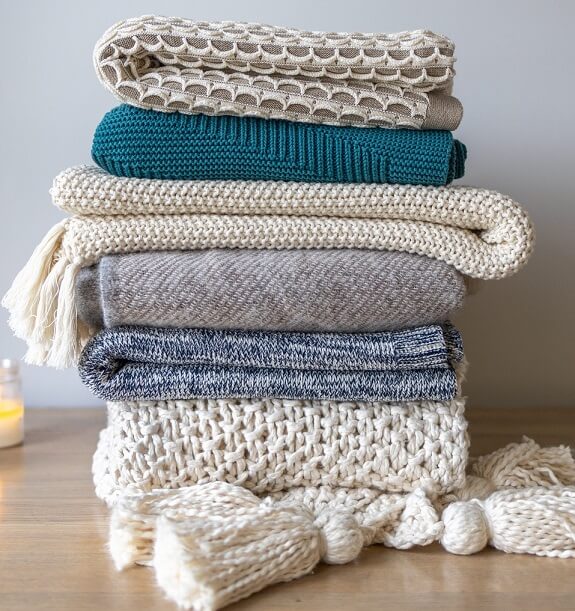
One of the most striking things about sleeping in an oversized sweater is how it creates a gentle, even pressure across your upper body. Unlike traditional pajama tops that simply cover your skin, a well-made oversized sweater has weight to it. The fabric drapes around you, creating a cocoon-like effect that feels somewhere between wearing clothes and being wrapped in a very light blanket.
This matters more than you might think. The consistent, gentle pressure from quality knitwear provides a subtle grounding sensation. It's not compression, it's too light and loose for that, but there's a comforting awareness of being gently held. For people who find weighted blankets too heavy or restrictive, an oversized sweater can offer a gentler version of that wrapped-up security.
The key is the oversized part. A fitted sweater doesn't create this effect. You need the extra fabric, the way it pools and drapes when you're lying down, how the sleeves extend past your wrists and the hem sits well below your hips. All that extra material moves with you without bunching or twisting, maintaining that light-blanket sensation regardless of how you shift during the night.
Warmth Without the Claustrophobia of Tight Layers
Traditional thermal pajamas work by trapping heat close to your body, which often means they need to fit relatively snugly. But many people, especially those who run hot or who experience nighttime anxiety, find close-fitting sleepwear constricting or even suffocating.
An oversized sweater solves this paradox. The loose fit means there's air circulation around your body, preventing that trapped, overheated feeling. At the same time, the knit structure of sweater fabric (especially natural fibers like cotton, merino, or cashmere blends) creates countless tiny air pockets that insulate without weight.
You end up warm, but not hot. Covered, but not confined. It's particularly effective for those in-between temperatures where you're too cold without a layer but too warm under heavy blankets. The sweater becomes your first layer of warmth, letting you use lighter covers that don't press down on you.
The Sensory Experience of Knitwear Against Skin
Here's where we get into territory that's hard to quantify but deeply real: knitwear against skin simply feels different than woven cotton or synthetic pajama fabrics.
Good knitwear has texture. Not rough or scratchy, the opposite. There's a gentle dimensionality to the surface, a softness with slight give that makes contact with your skin more dynamic than smooth, flat fabric. Some people describe it as more "alive" than traditional sleepwear materials.
This textural quality seems to matter especially during the transition periods: those drowsy minutes before you fall asleep, and those hazy moments when you're first waking up. The sensation of soft knit against your cheek when your face is pressed into a pillow, or the way the fabric moves across your shoulders when you shift position, these small sensory details contribute to an overall sense of comfort that helps you relax.
Natural fiber sweaters, in particular, have a temperature-regulating quality that synthetic fabrics can't quite replicate. They absorb a small amount of moisture without feeling damp, which means if you get slightly warm during the night, the fabric adjusts rather than becoming clammy.
The Pre-Sleep Ritual Value
One often overlooked benefit of sleeping in an oversized sweater is how it can blur the boundary between your evening wind-down and actual sleep. Unlike pajamas, which signal a hard transition to "bed mode," an oversized sweater can be part of your entire evening routine.
You can make tea in it. Read on the couch in it. Watch television, journal, or talk with your partner, all while already wearing what you'll sleep in. There's no pressure to "get ready for bed" at a specific time. You're already comfortable, already in something that works for sleep, which removes one small decision point from the end of your day.
For people with sleep anxiety or those who struggle with the transition from wakefulness to sleep, this seamless continuity can be genuinely helpful. Your clothes aren't marking a boundary your mind needs to cross. You simply continue being comfortable until you're ready to lie down.
What to Look for in a Sleep-Worthy Oversized Sweater
Not every oversized sweater works well for sleep. After years of customers sharing their experiences, some clear patterns emerge:
Fiber content matters tremendously. Natural fibers, cotton, merino wool, cashmere blends, consistently outperform synthetics for sleep. They regulate temperature better and don't develop that plastic-y smell that synthetic fabrics can get after a night of wear.
Medium weight is the sweet spot. Too thin, and you lose the gentle weight effect. Too thick (like a heavy cable knit), and it becomes cumbersome. You want something with substance but not bulk.
No embellishments. Buttons, zippers, decorative elements, or appliqués that might be fine for daywear become pressure points when you're lying on your side. Stick to simple, smooth constructions.
Slightly longer length. A sweater that hits mid-hip or below works better than cropped styles because it stays in place when you move and doesn't ride up during the night.
Raglan or dropped sleeves. Set-in sleeves can create uncomfortable seams at the shoulder when you're lying down. Raglan or dropped shoulder construction distributes the fabric more evenly.
Loose crew neck or V-neck. High turtlenecks are rarely comfortable for sleep. You want a neckline that sits loosely against your skin without gaping or bunching.
Who This Works Best For
Sleeping in an oversized sweater isn't universal, no sleepwear is. But it tends to work particularly well for:
Cold sleepers who dislike heavy blankets. The sweater provides warmth at the source without the weight pressing down from above.
People with sensory sensitivities. The consistent texture and gentle pressure can be soothing in ways that loose, thin pajamas aren't.
Those in variable-temperature environments. If your bedroom temperature fluctuates during the night, a good sweater adapts better than fixed-warmth pajamas.
Side sleepers. The lack of buttons and the way fabric drapes means no pressure points against shoulders, hips, or arms.
Anyone who runs slightly cool but doesn't want to overheat. That goldilocks zone of warmth is easier to achieve with an oversized sweater than with traditional sleepwear layers.
The Morning-After Comfort
One final benefit that sleeper-sweater converts always mention: the experience of waking up in one. Unlike pajamas that can feel rumpled or clammy in the morning, a quality oversized sweater somehow maintains its comfort. You can stay in it for your morning coffee, for early emails, for breakfast, continuing that cocooned comfort well into your day.
There's something about not having to immediately change out of what you slept in that extends the restfulness of sleep into your waking hours. You're not separating sleep-you from day-you quite so sharply. The sweater becomes a comfort object that bridges both states.
Frequently Asked Questions
Q: Won't I overheat sleeping in a sweater?
A: It depends on the fiber and weight. Natural-fiber sweaters in medium weights actually regulate temperature well, keeping you warm without overheating. Avoid heavy, thick knits or synthetics, which trap heat more aggressively. Many people find they can use lighter blankets when wearing a sweater, which actually improves overall temperature comfort.
Q: Is it unhygienic to sleep in regular clothes instead of pajamas?
A: As long as you wash your sweater regularly (after 2-3 wears is typical), there's no hygiene issue. In fact, because quality knitwear is often made from natural fibers with antimicrobial properties, it can be more hygienic than synthetic pajamas. Just designate specific sweaters for sleep rather than mixing day-worn and sleep-worn pieces.
Q: Can this work year-round or just in winter?
A: It depends on your environment and the sweater weight. Lightweight cotton or cotton-blend sweaters work beautifully in spring and fall, and even summer for those in air-conditioned spaces. Reserve heavier knits for genuinely cold weather. The oversized fit helps with airflow, making sweaters more versatile across seasons than you'd expect.
Q: What do I wear on the bottom?
A: Most people who sleep in oversized sweaters pair them with loose pajama pants, soft joggers, or even just underwear. The sweater provides the primary comfort element, so bottoms can be whatever feels right for your temperature needs. Many find that the substantial sweater means they prefer lighter, less restrictive bottoms than they'd wear with traditional pajama tops.
If you're curious about the specific comfort of sleeping in quality knitwear, Sandman's Shop's oversized sweater collection includes pieces specifically designed with sleep-worthy softness and construction, because sometimes the best sleepwear isn't sleepwear at all.