



The Baby Sleeping Blanket That Became the Most Reached-For Thing in the Nursery
Before the baby arrived, the blankets came in waves.
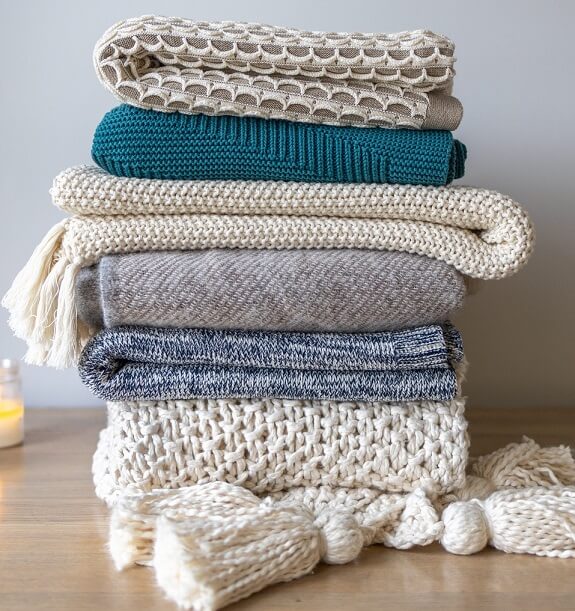
Soft pastels wrapped in tissue paper. Hand-knit heirlooms from grandmothers. Plush receiving blankets from the hospital. A swaddle set someone swore by. By the time we'd opened the last shower gift, we had eleven blankets folded in the nursery dresser, each one lovely in its own right.
And then, in those first foggy weeks of parenthood, one quietly became the blanket.
You know the one. The blanket you reach for without thinking during the 2 a.m. feeding. The one that rides along to every pediatrician appointment, every car trip, every grandparent visit. The blanket that's been washed so many times you've lost count, and somehow that's made it better. The one that, when you can't find it, causes a small moment of panic because nothing else will do.
For us, it was the muslin one—the unassuming cream-colored blanket that came in a two-pack, no fancy packaging, nothing that screamed "this will be your favorite." But night after night, feeding after feeding, it earned that status in ways the others didn't.

What Made It Different
At first, I couldn't articulate why I kept choosing it. The plush minky blanket was softer to the touch. The knitted one was more beautiful. The organic cotton set cost three times as much.
But the muslin had something the others didn't: it worked with our chaos instead of against it.
The Fabric Feel That Mattered More Than "Softness"
The muslin wasn't the softest blanket we owned—not in that initial, straight-from-the-package way. But it had a different quality: it was breathable and light, never too warm, never stifling. When I draped it over my shoulder for burping, it didn't make either of us sweaty. When we used it in the stroller on a warm day, the baby didn't overheat.
The plush blankets felt luxurious, but they trapped heat. In a climate-controlled nursery, maybe that wouldn't have mattered. But in real life—life with fluctuating thermostats, too-warm car seats, and a baby who ran hot—breathability won every time.
The texture also got better, not worse, with washing. While some blankets pilled or lost their shape, the muslin became softer and more pliable. It developed a lived-in quality, like your favorite t-shirt. The kind of soft that comes from use, not chemical treatments.
The Weight That Made Everything Calmer
Weight matters more than I expected.
The muslin had just enough heft to stay put when I laid it down, but not so much that it felt heavy on tiny limbs. It draped over my arm during nighttime feedings without sliding off. When we used it for tummy time, it provided a gentle, consistent surface that didn't bunch up.
The lightweight receiving blankets slipped and slid everywhere, requiring constant adjustment. The heavier knit blanket was beautiful but cumbersome—too much for summer, too stiff for swaddling, too precious-feeling for everyday chaos.
The "just right" weight meant I could use it a dozen different ways: draped over the car seat for shade, rolled as a makeshift pillow during tummy time, folded as a changing pad in a pinch, spread on the floor as a clean surface anywhere we went.
How It Behaved in the Wash
Here's the thing nobody tells you about baby blankets: you're going to wash them constantly.
Spit-up, diaper blowouts, mystery stains that appear out of nowhere—the favorite blanket goes through the wash twice a week minimum. Which means how it holds up matters infinitely more than how pretty it looked on the registry.
The muslin came out of the dryer ready to use every single time. No special care, no air-drying, no gentle cycle anxiety. It softened with each wash. The colors stayed true. The edges didn't fray.
Some of our other blankets needed special treatment—hand-wash only, lay flat to dry, iron to restore the texture. Those blankets migrated to the bottom of the drawer, saved for photos or special occasions that never quite materialized. Because at 3 a.m., when you need a clean blanket right now, you're not thinking about hand-washing.
The workhorse blanket was the one that survived our life, not the one that required us to adjust our life around it.
The Size That Actually Worked
Dimensions matter more than you'd think.
Our favorite was generously sized—47 inches square—which meant it grew with us. In the early days, we could swaddle with it (once baby outgrew the swaddle-specific products). A few months in, it worked as a nursing cover when we needed privacy. By six months, it became a play blanket that actually gave the baby room to roll.
Some of the smaller receiving blankets (30 inches square) became useless within weeks. Too small to cover the stroller, too short to drape comfortably, too limiting for any purpose beyond looking cute in photos.
The oversized knit blanket, on the other hand, was so large it was impractical—too much fabric to manage during diaper changes, too bulky to pack in the diaper bag, too overwhelming for a tiny baby.
The Goldilocks size meant the blanket had staying power. It remained useful month after month, adapting to our changing needs instead of getting outgrown.

Why Some Blankets Earn Irreplaceable Status
Looking back, I realize the blanket we reached for most wasn't trying to be special. It was trying to be useful.
It didn't have embroidery or appliqués that made it uncomfortable to lay on. It didn't come in precious colors that showed every stain. It wasn't marketed as an heirloom or a luxury item. It was just extraordinarily well-suited to the actual, daily work of caring for a baby.
The blankets that looked beautiful in the nursery photos often stayed in the nursery. The blanket that lived in the diaper bag, traveled in the car, went to daycare and back—that was the one that became irreplaceable.
Because at a certain point, it stopped being just a blanket. It became part of our routine, our rhythm, our little one's sense of comfort. It smelled like home. It signaled sleep time, feeding time, comfort time. The baby's hand would reach for its familiar texture when settling down.
You can't plan for that kind of attachment. You can't predict which blanket will earn it. But you can recognize the qualities that make it possible: breathable fabric that regulates temperature, durable construction that survives constant washing, versatile size that adapts to changing needs, and a texture that improves rather than deteriorates over time.
The Blankets That Didn't Make the Cut
It's not that the other blankets were bad. Many of them were lovely—they just didn't fit our particular life.
The velvet-trimmed blanket was too delicate for everyday use. The hand-knit one from grandma was beautiful but had loose stitches that worried me (tiny fingers getting caught). The weighted blanket meant for older babies came too late—we'd already formed our attachments.
Some blankets were seasonal. The fleece ones were perfect for winter outings but useless in summer. The lightweight cotton ones were great for warm weather but didn't provide enough coziness for cold nights.
And then there were the blankets that just felt off in ways I couldn't quite name. Too stiff, too slippery, too plasticky-feeling despite being marketed as natural fiber. They met all the safety requirements, checked all the boxes on paper, but in practice, I always reached past them for the one that felt right.

What This Means for Your Nursery
If you're setting up a nursery or choosing gifts for someone who is, the lesson isn't "buy muslin" (though muslin is excellent). The lesson is to prioritize function over presentation.
Choose blankets that can survive real life. Look for fabrics that get softer with washing, not rougher. Consider climate and how the blanket will perform in summer and winter. Think about size and versatility—will this work for multiple purposes over many months?
And maybe most importantly: know that the blanket that becomes the favorite probably won't be the fanciest or most expensive one. It'll be the one that works seamlessly with your routine, that feels good at 2 a.m., that the baby responds to, that you trust.
The most reached-for blanket in the nursery earns that status through reliability, comfort, and an almost invisible integration into your daily life. It's the blanket you stop noticing you're reaching for—until the moment you can't find it.
If you're looking for baby sleeping blankets built for real, everyday use—the kind that become family favorites through durability, breathability, and genuine comfort—explore Sandman's Shop's collection designed for the routines that matter most.